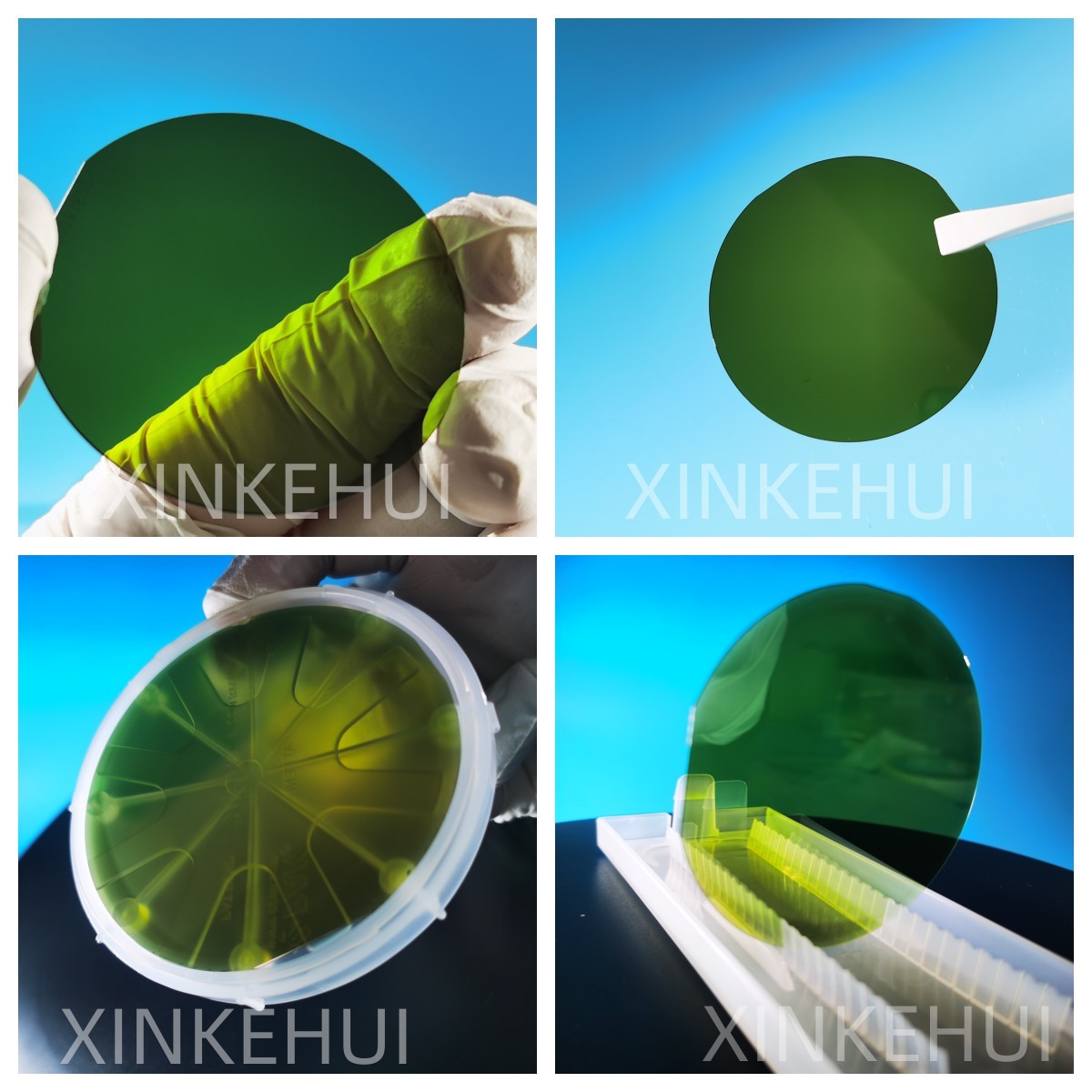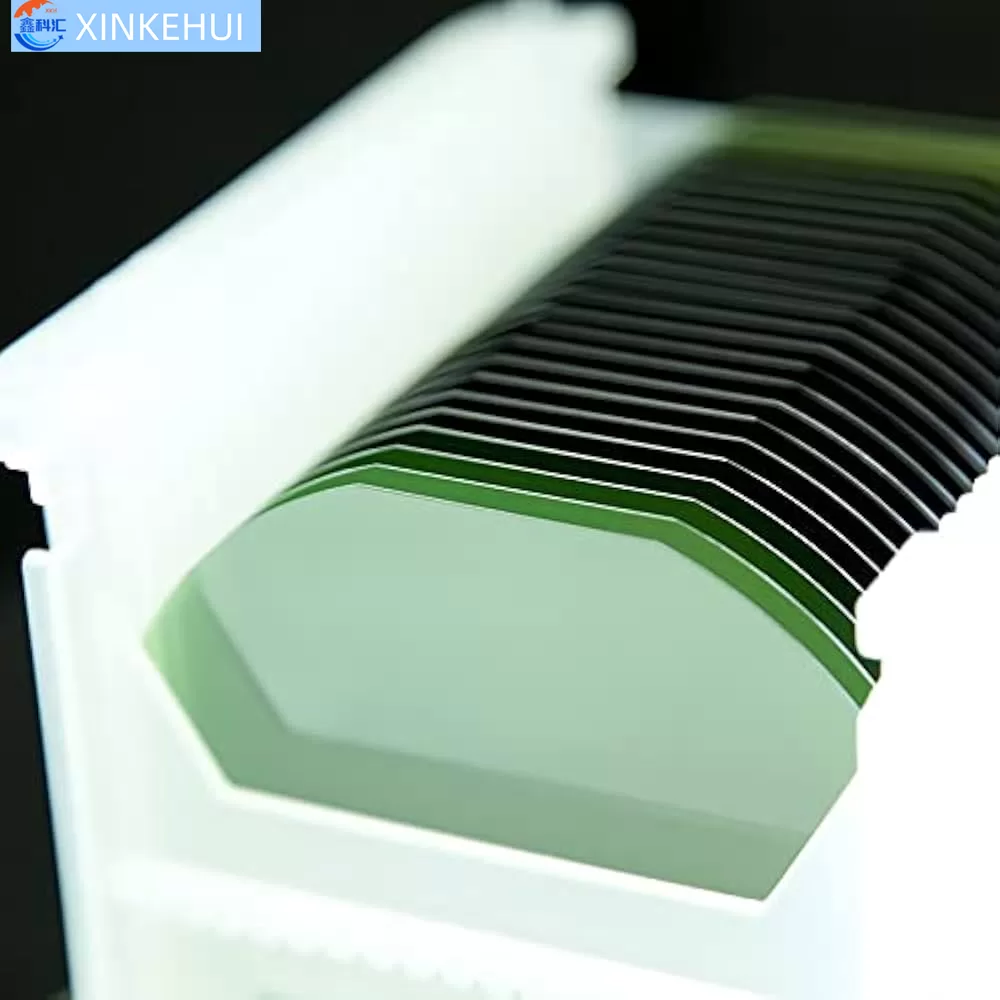
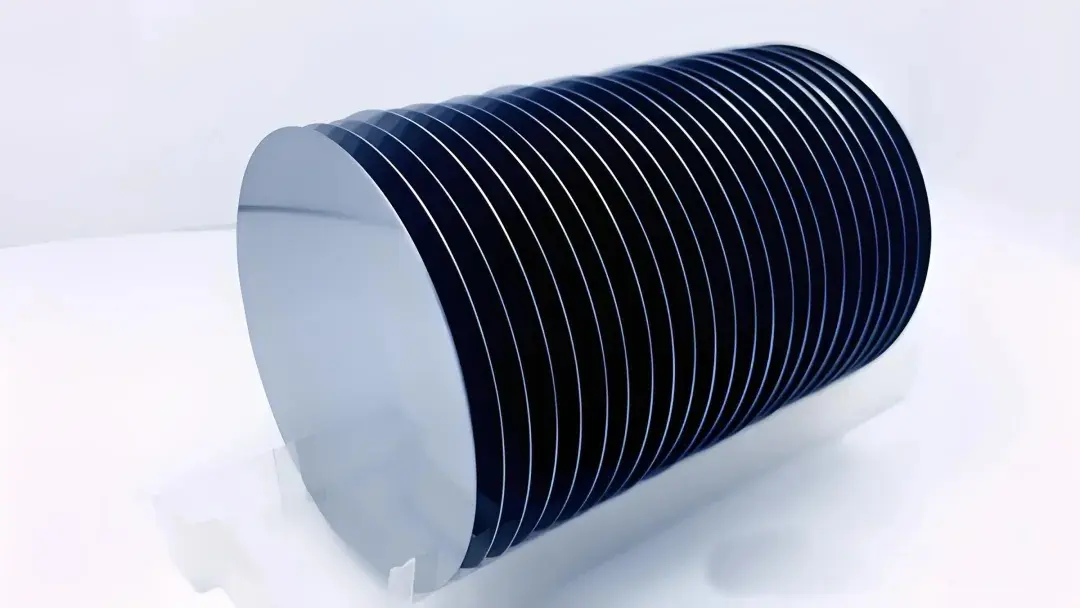
Der Herstellungsprozess von einkristallinen Siliziumwafern
Siliziumwafer sind wesentliche Bestandteile der modernen Elektronik und dienen als Grundlage für Geräte von Smartphones und Computern bis hin zu Solarpanels und Halbleiterbauelementen.
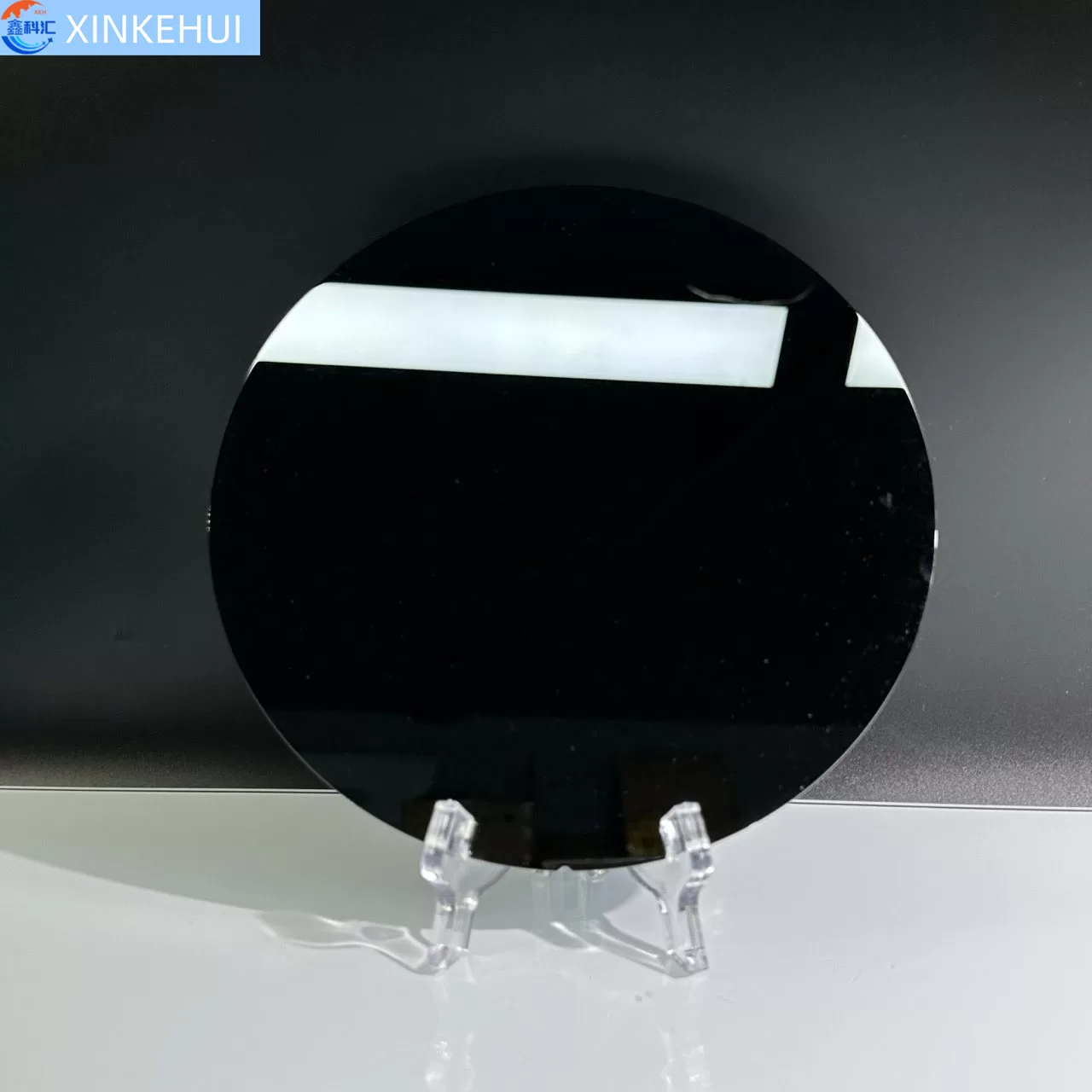
Siliziumwafer sind wesentliche Bestandteile der modernen Elektronik und dienen als Grundlage für Geräte von Smartphones und Computern bis hin zu Solarpanels und Halbleiterbauelementen.
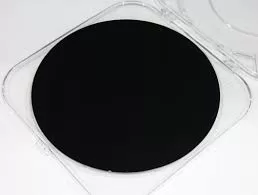
In the fast-evolving world of semiconductors, silicon wafers are the foundation of almost all modern electronic devices—from smartphones and computers to medical devices and automotive

Sapphire wafers are one of the most advanced materials used in modern technology, playing an essential role across a wide range of industries—from consumer electronics

Every time your smartphone charges faster, your electric vehicle travels farther, or high-voltage power equipment operates more efficiently, there is a technology quietly at work

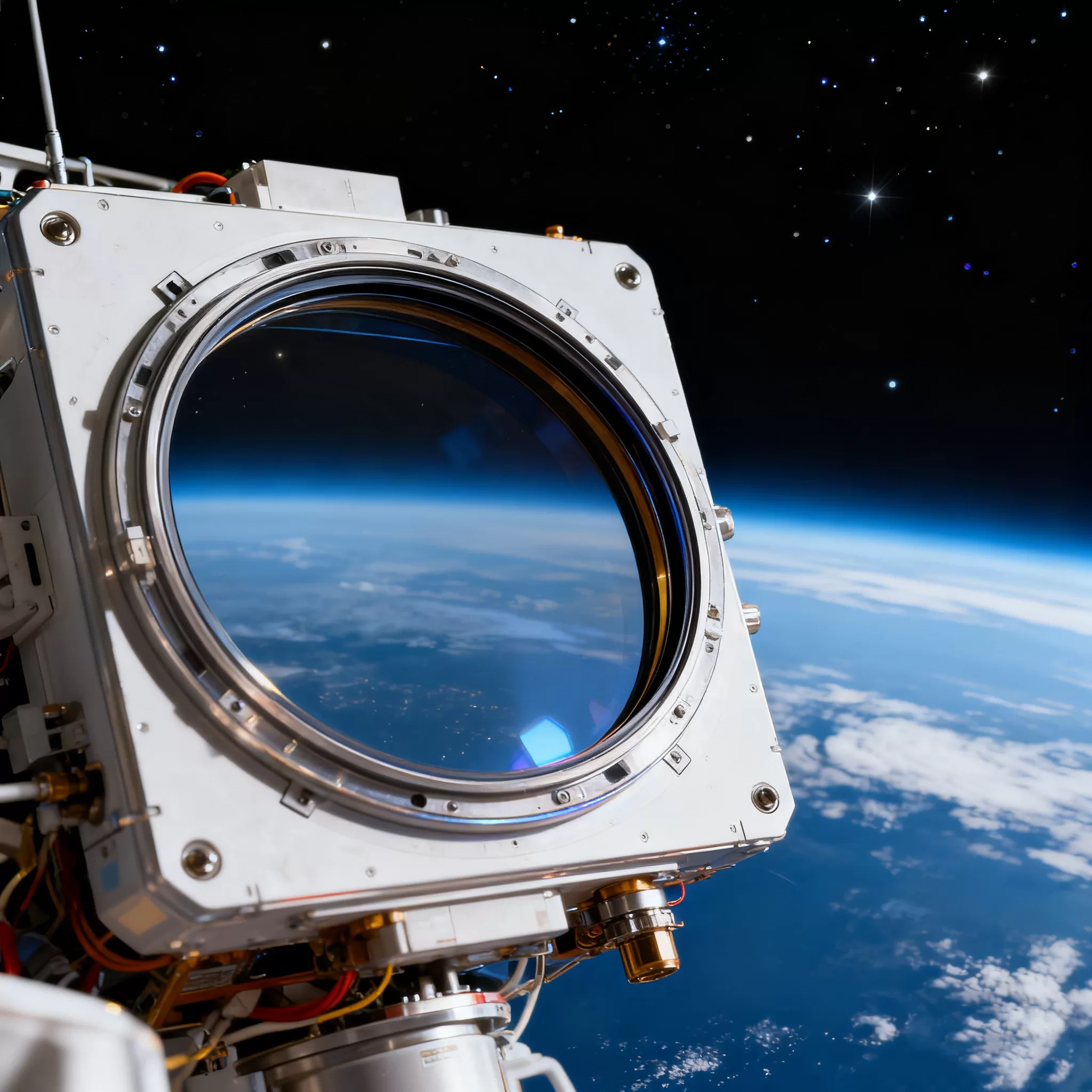
Sapphire glass is famous for its incredible hardness, scratch resistance, and optical clarity. It protects luxury watches, smartphone cameras, infrared sensors, and even spacecraft windows.

When people hear the name silicon carbide, they often think of power electronics, electric vehicles, or ultra-hard industrial tools. Yet behind all of these applications

Saphir wird seit langem mit Edelsteinen, Luxusuhren und hochentwickelten optischen Komponenten in Verbindung gebracht, aber nur wenige Menschen wissen, dass seine außergewöhnliche Leistung von etwas stammt, das weit entfernt ist von dem, was es ist.

Silicon carbide (SiC) is a material that has rapidly moved from laboratories into electric vehicles, renewable energy systems, and high-performance electronics. Its popularity does not