
Custom SiC Wafer Solutions: From Sizes to Doping
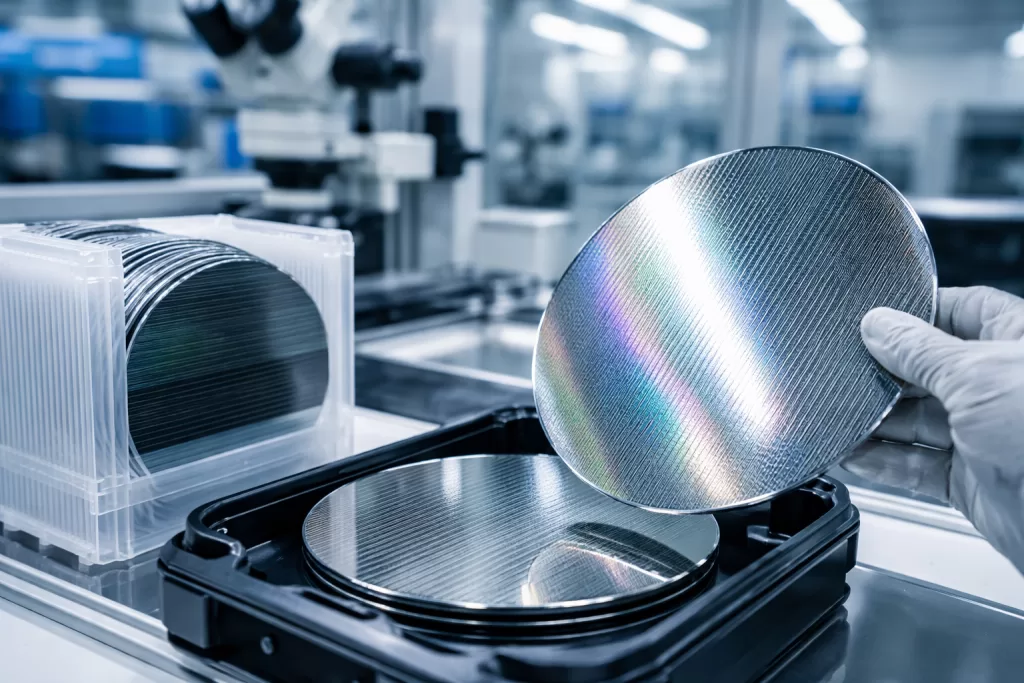
SiC wafer have become a foundational material in modern power electronics and high-frequency devices, driven by their superior physical and electrical properties. Compared with conventional silicon, SiC exhibits a wide bandgap (~3.26 eV for 4H-SiC), high thermal conductivity, and a strong critical electric field, enabling devices to operate efficiently under high voltage, high temperature, and […]
What Are the Carbon Face and Silicon Face of a Silicon Carbide Wafer?
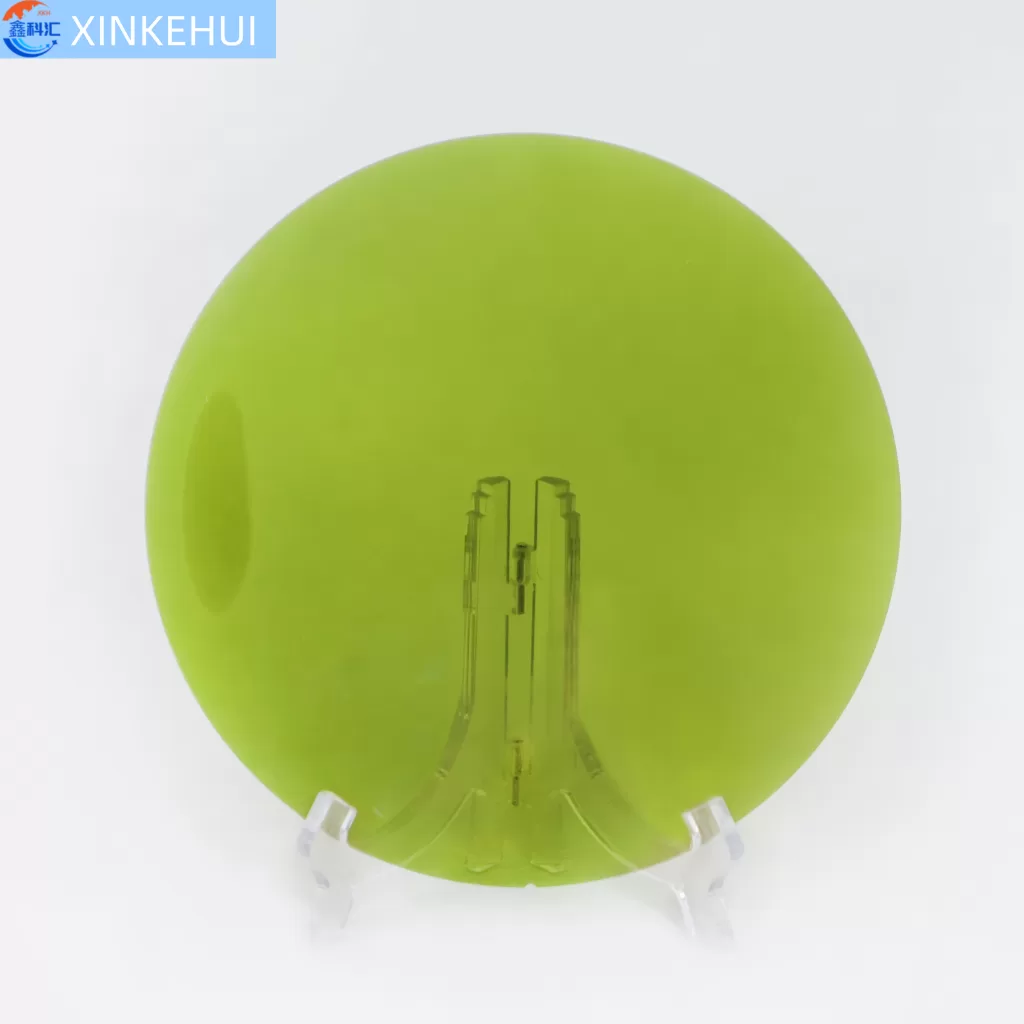
In modern power electronics, Silicon Carbide has become one of the most important wide-bandgap semiconductor materials. Compared with traditional Silicon, SiC offers superior properties such as higher breakdown electric field, better thermal conductivity, and the ability to operate at higher temperatures and voltages. Because of these advantages, SiC is widely used in power devices for […]
Common Challenges in SiC Epitaxial Growth and How to Overcome Them
Silicon carbide (SiC), especially the 4H‑SiC polytype, plays a foundational role in high‑power and high‑frequency semiconductor devices due to its excellent electrical, thermal, and mechanical properties. However, achieving high‑quality SiC epitaxial layers remains a complex technological challenge that directly impacts device yield, performance, and reliability. This article synthesizes verified research insights and industry practices to […]
What to Look for in a SiC Wafer Technical Datasheet: A Modern Guide for Engineers and Researchers

Silicon carbide (SiC) has emerged as a cornerstone material in high-power electronics, high-frequency devices, and harsh-environment applications. Its superior thermal conductivity, high breakdown voltage, and chemical robustness make it indispensable in modern semiconductor technologies. However, leveraging SiC’s full potential begins long before fabrication—it starts with the wafer. Understanding a SiC wafer technical datasheet is therefore […]
How to Choose the Right SiC Substrate for Power Electronics
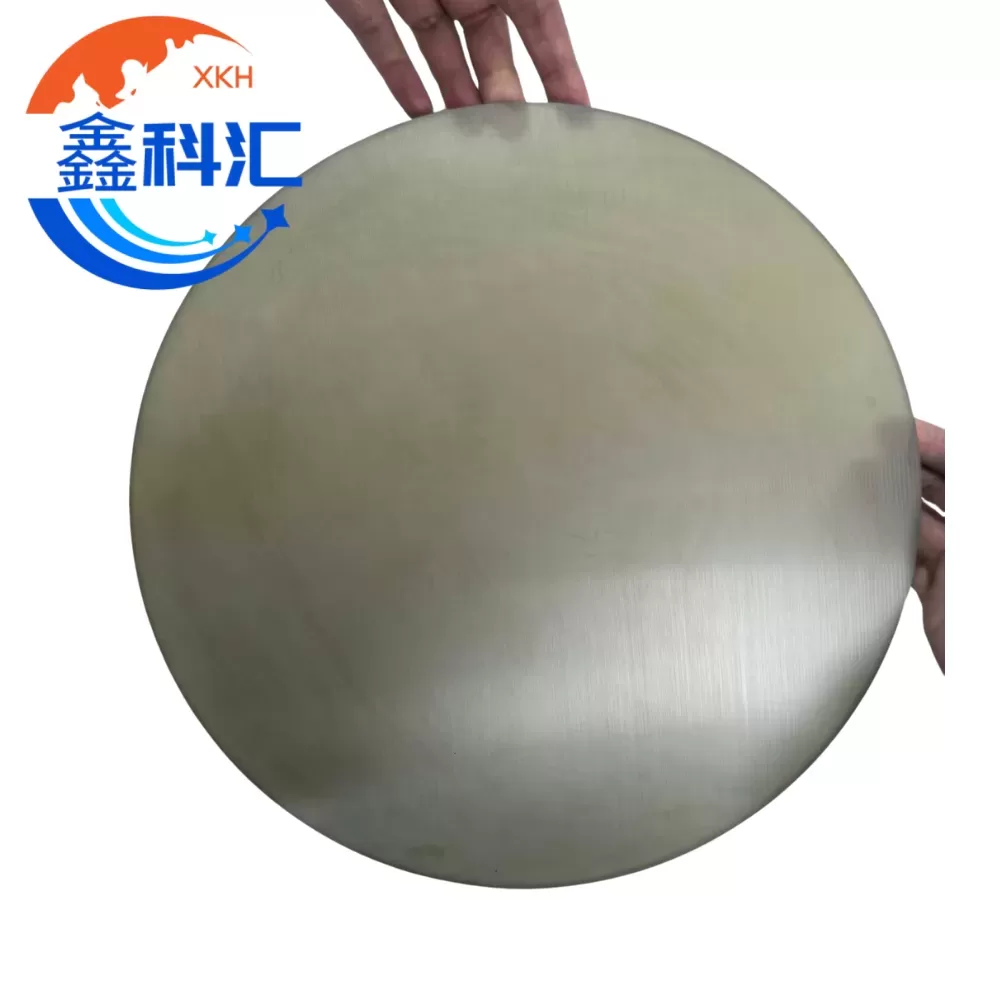
Silicon carbide (SiC) has transformed the landscape of power electronics. From electric vehicle (EV) inverters to high-frequency converters, SiC enables devices to operate faster, hotter, and more efficiently than traditional silicon. Yet, not all SiC substrates are created equal. Choosing the right one is a strategic decision that directly affects device performance, yield, and reliability. […]
Why SiC Dominates High-Voltage Applications?
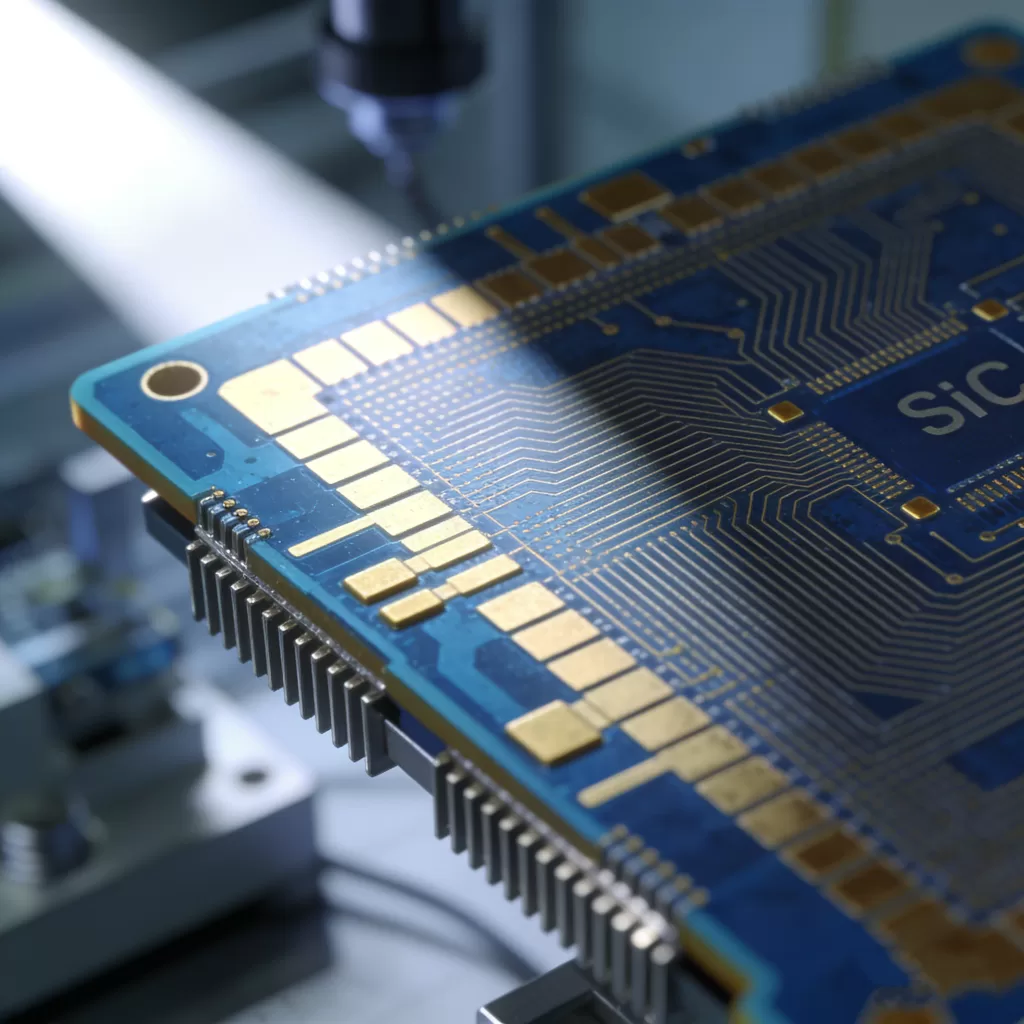
Silicon carbide (SiC) has emerged as a cornerstone material for high-voltage and high-power electronic applications. Over the past two decades, SiC has transitioned from a laboratory curiosity to a commercially mature semiconductor platform that is now widely adopted in power electronics, electric vehicles, renewable energy systems, and industrial power conversion. This dominance is not incidental; […]
300 mm Silicon Carbide Wafers: Materials, Manufacturing Barriers, and the Path to Industrial-Scale Wide-Bandgap Semiconductors
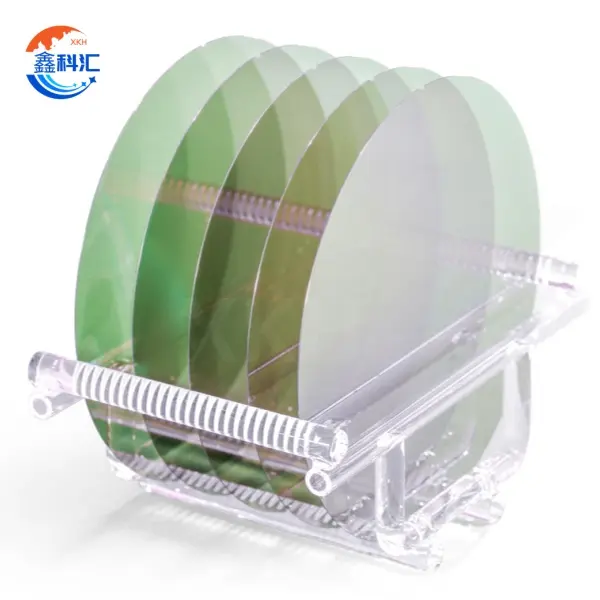
1. Introduction: From Wafer Diameter to Industrial Capability In semiconductor technology, wafer diameter has historically served as a reliable indicator of manufacturing maturity. Each major transition in wafer size—from 150 mm to 200 mm, and later to 300 mm—has marked a shift from laboratory-scale innovation to industrial-scale production. These transitions are not merely geometric expansions; […]
Understanding SiC Covalent Networks: The Backbone of a High-Performance Material
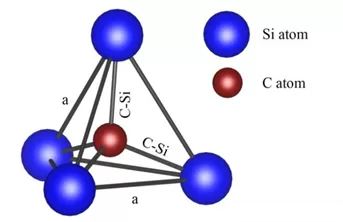
Silicon carbide (SiC) has emerged as one of the most important materials in modern electronics, power devices, and advanced ceramics. Its remarkable mechanical, thermal, and electrical properties stem from a unique feature at the atomic level: its covalent network structure. Understanding this network is key to appreciating why SiC performs so well in extreme conditions. […]