
Advantages of Using Silicon Carbide for High-Power and High-Frequency Devices
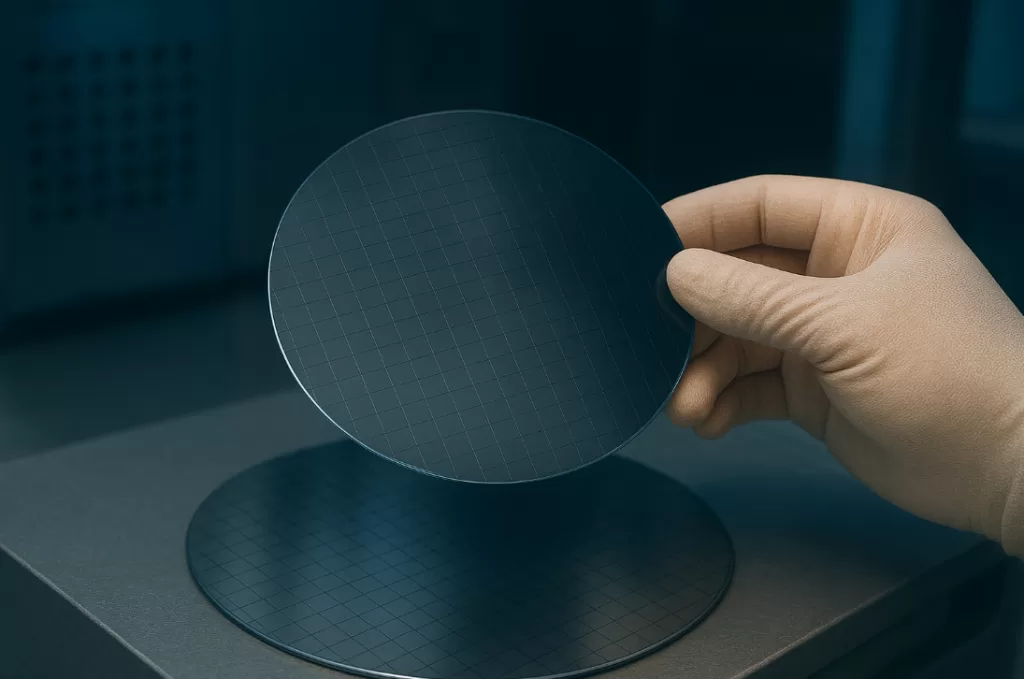
Silicon carbide, or SiC, is a wide-bandgap semiconductor material that has gained attention for its ability to operate in high-power and high-frequency applications. Compared to traditional silicon, SiC offers superior electrical and thermal properties, making it ideal for devices that need to withstand extreme conditions. High Voltage Capability One of the key advantages of SiC […]
How to Choose the Right SiC Substrate for Power Electronics
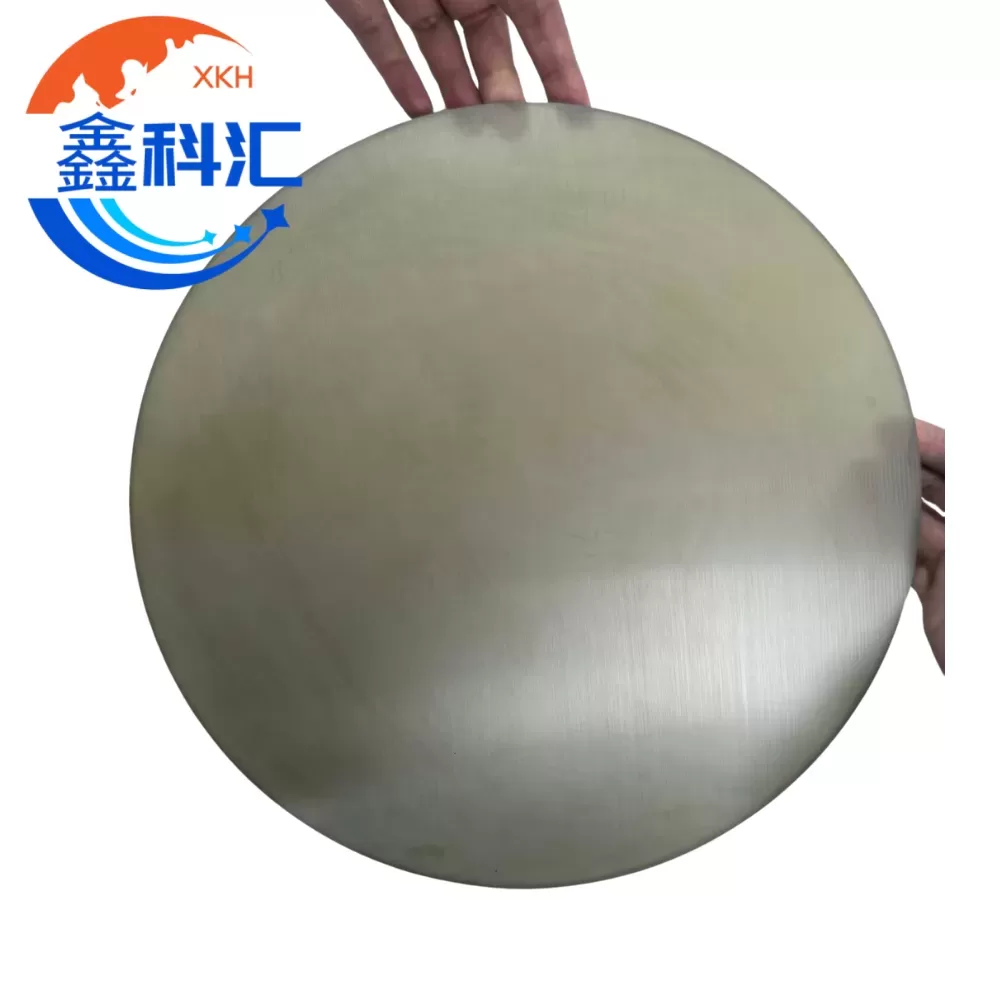
Silicon carbide (SiC) has transformed the landscape of power electronics. From electric vehicle (EV) inverters to high-frequency converters, SiC enables devices to operate faster, hotter, and more efficiently than traditional silicon. Yet, not all SiC substrates are created equal. Choosing the right one is a strategic decision that directly affects device performance, yield, and reliability. […]
Meta Orion AR Glasses: How Silicon Carbide is Transforming Augmented Reality

The reveal of Meta’s Orion AR glasses prototype at Meta Connect 2024 marks a new milestone in augmented reality (AR). Achieving a 70° diagonal field of view (FOV) in a glasses-like form factor, this breakthrough surpasses the traditional limits of glass-based waveguides, which historically capped at around 50° FOV due to thermal and optical constraints. […]
Thickness, Doping, and Defects: Cracking the Three Core Challenges of Silicon Carbide Epitaxy

Silicon carbide (SiC) has emerged as a superstar in the world of semiconductors. Renowned for its exceptional thermal conductivity, high breakdown voltage, and chemical stability, SiC powers everything from electric vehicles and renewable energy inverters to aerospace electronics. Yet, the journey from raw SiC wafers to high-performance devices is anything but simple. At the heart […]
Why SiC Dominates High-Voltage Applications?
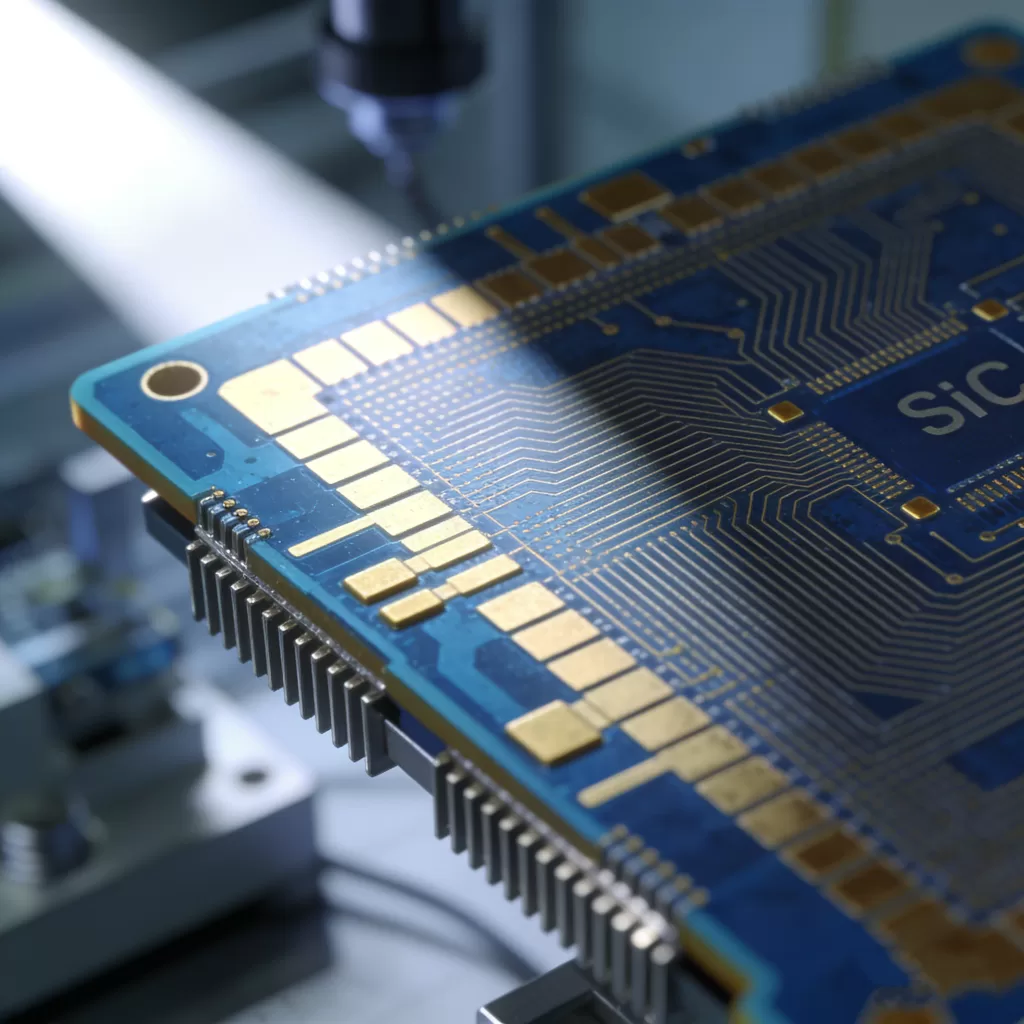
Silicon carbide (SiC) has emerged as a cornerstone material for high-voltage and high-power electronic applications. Over the past two decades, SiC has transitioned from a laboratory curiosity to a commercially mature semiconductor platform that is now widely adopted in power electronics, electric vehicles, renewable energy systems, and industrial power conversion. This dominance is not incidental; […]
Technical Advantages of Silicon Carbide Power Devices and Their Role in High-Efficiency Power Systems
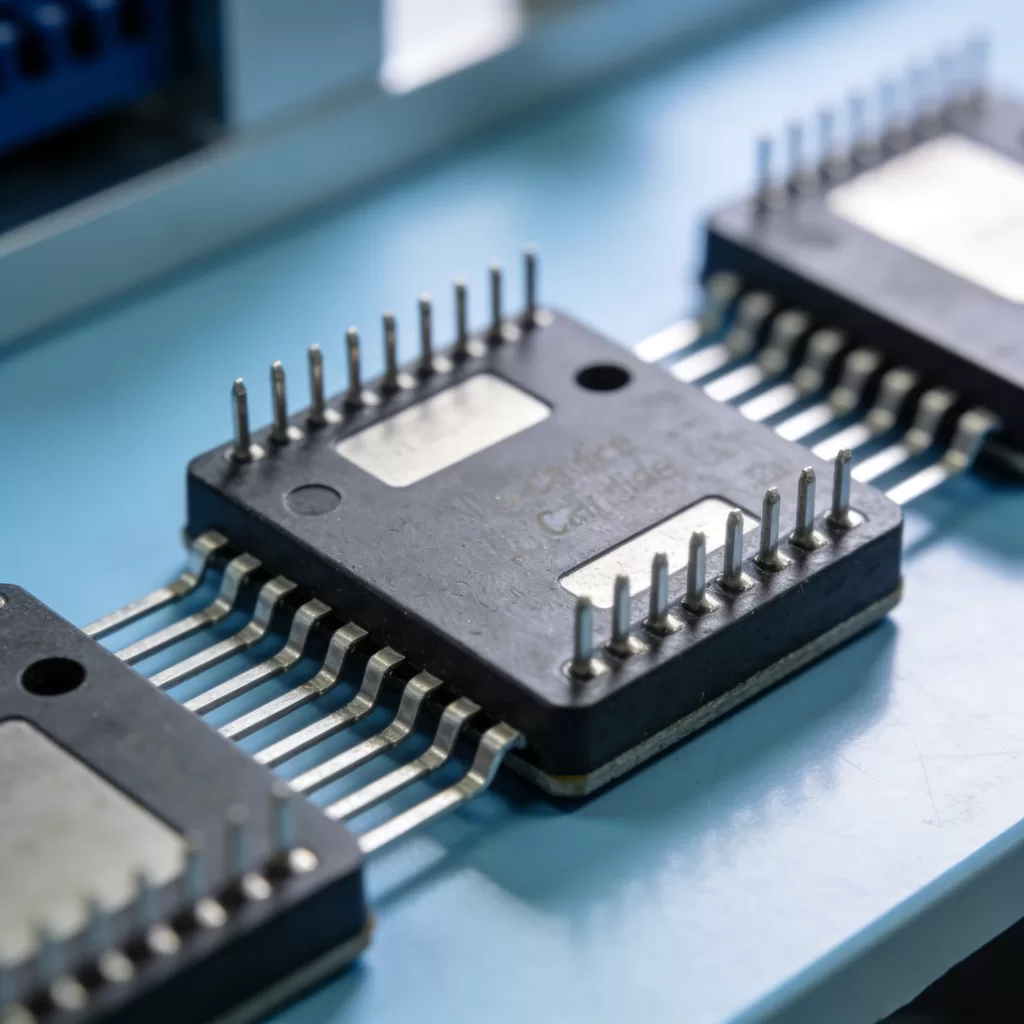
Introduction: Efficiency as a System-Level Constraint As global energy systems move toward electrification, decarbonization, and higher power density, efficiency has evolved from a desirable feature into a fundamental system constraint. In modern power conversion architectures, incremental efficiency gains at the component level can translate into substantial reductions in energy loss, thermal management complexity, and total […]
Silicon Carbide (SiC) and the Future of Electric Vehicles: Technology, Market Trends, and Uncertainties

As the global automotive industry accelerates toward electrification, a critical battle is being fought not just over battery chemistry, but over the semiconductor materials that control the flow of energy. Silicon Carbide (SiC) has emerged as a revolutionary material in this domain, promising to redefine the performance limits of electric vehicles (EVs). However, despite its […]
Understanding Silicon Hardness: Why It Matters and How It’s Measured
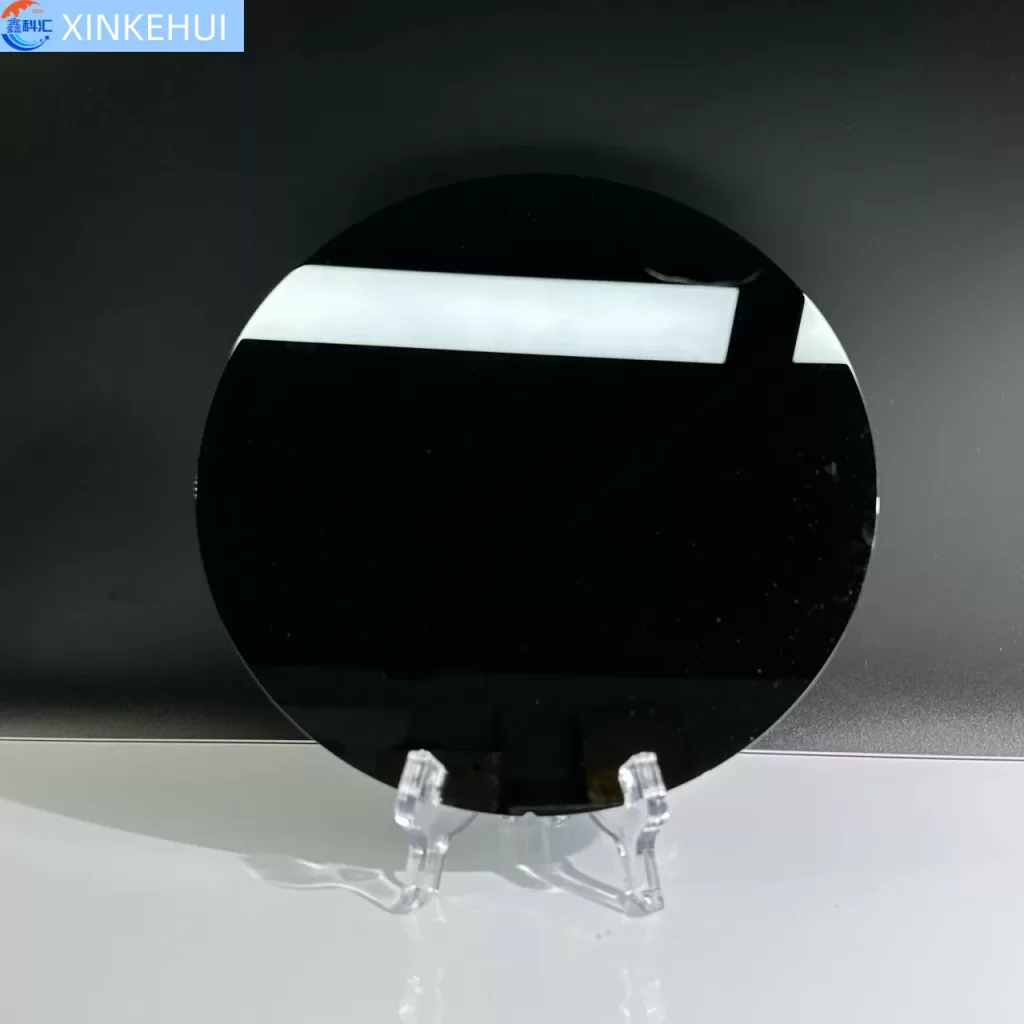
Silicon is one of the most widely used materials in technology, powering everything from microchips to solar cells. One of the key physical properties that determine how silicon performs in these applications is hardness—its resistance to scratching, deformation, and wear. Knowing the hardness of silicon is essential for engineers, materials scientists, and manufacturers who rely […]