
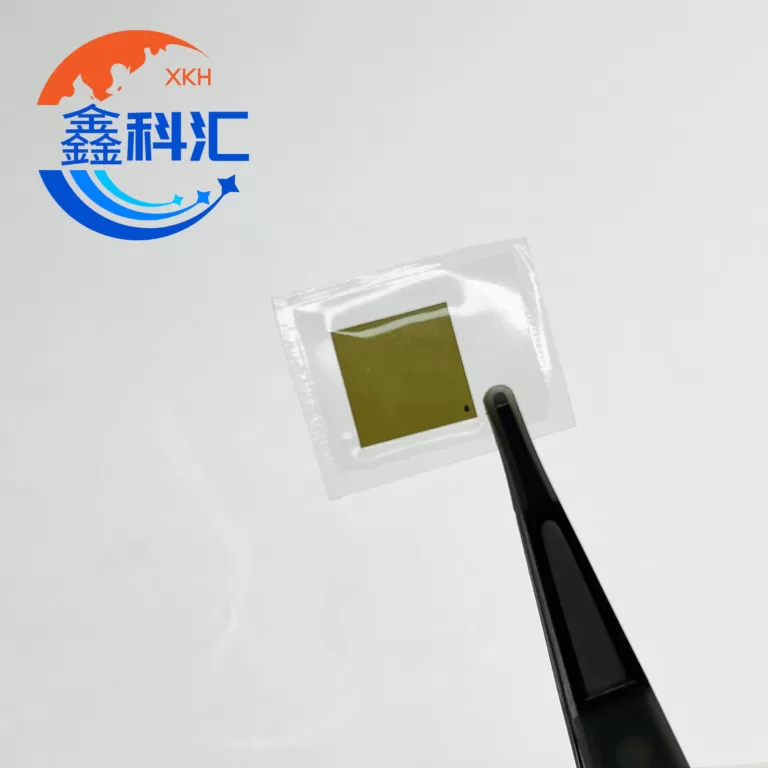
Silicon Carbide (SiC) is rapidly gaining attention in the field of high-temperature electronics due to its superior physical, thermal, and electrical properties compared to traditional silicon (Si). As modern electronic applications push the boundaries of temperature, voltage, and power density—particularly in automotive, aerospace, and industrial sectors—the limitations of conventional silicon devices become evident. This article explores why SiC is emerging as the preferred material for these demanding applications.
1. Fundamental Material Properties
SiC is a wide-bandgap semiconductor with a bandgap of approximately 3.26 فولت (for 4H-SiC), compared to silicon’s 1.12 فولت. The wider bandgap provides higher breakdown voltage, lower leakage currents, and better thermal stability, making SiC suitable for high-temperature environments.
| الممتلكات | السيليكون (Si) | Silicon Carbide (4H-SiC) | Advantage |
|---|---|---|---|
| Bandgap (Eg) | 1.12 فولت | 3.26 فولت | Higher breakdown voltage, lower leakage |
| Maximum Junction Temperature | ~150 °C | 300–600 °C | Stable at high temperature |
| التوصيل الحراري | 150 W/m·K | 370–490 W/m·K | Better heat dissipation |
| Critical Electric Field | 0.3 MV/cm | 3 MV/cm | Can handle higher voltages |
| Electron Mobility | 1400 cm²/V·s | 900 cm²/V·s | Slightly lower, but acceptable |
| Saturation Velocity | 1×10⁷ cm/s | 2×10⁷ cm/s | Faster switching potential |
Key Takeaways:
- تحمّل درجات الحرارة العالية allows devices to operate reliably above 300 °C.
- جهد الانهيار العالي enables compact, high-power designs.
- موصلية حرارية عالية reduces thermal management requirements.
2. Electrical Performance Comparison
In high-temperature electronics, leakage current and switching losses are critical. SiC maintains low leakage even at elevated temperatures, whereas silicon devices degrade rapidly.
| المعلمة | Si Device (TJ=150 °C) | SiC Device (TJ=300 °C) | الملاحظات |
|---|---|---|---|
| Leakage Current | 100× higher | منخفضة جداً | Enables high-voltage operation |
| Switching Loss | عالية | Lower | Faster and more efficient switching |
| On-Resistance (R<sub>DS(on)</sub>) | Increases sharply | Remains stable | Reduces conduction losses |
| Thermal Runaway Risk | عالية | منخفضة | Reliable under extreme heat |
الملاحظة: SiC devices outperform Si in both high-temperature stability and power efficiency, making them ideal for automotive inverters, industrial power modules, and aerospace electronics.
3. Thermal Management Advantages
Thermal management is a key bottleneck in high-power electronics. SiC’s high thermal conductivity, combined with high junction temperature capability, allows designers to reduce heatsink size or eliminate active cooling in some applications.
| المواد | Thermal Conductivity (W/m·K) | Maximum Operating Temperature (°C) |
|---|---|---|
| السيليكون (Si) | 150 | 150–175 |
| Gallium Nitride (GaN) | 130 | 200–250 |
| كربيد السيليكون (SiC) | 370–490 | 300–600 |
Implication: SiC enables smaller, lighter, and more reliable power electronics, critical in electric vehicles (EVs) and aerospace applications.
4. Applications in High-Temperature Electronics
4.1 Automotive
- Traction inverters for EVs
- DC–DC converters operating near engine compartments
- On-board chargers exposed to high temperatures
4.2 Aerospace & Defense
- Power electronics for aircraft
- High-altitude drones and satellites
4.3 Industrial & Energy
- High-temperature motor drives
- Oil and gas downhole electronics
- Renewable energy converters (wind and solar)
| التطبيق | Si | SiC | Advantage |
|---|---|---|---|
| EV Traction Inverter | Limited by TJ=150 °C | Stable up to TJ=250–300 °C | Higher power density, smaller cooling system |
| Downhole Electronics | Needs cooling, low reliability | Operates >300 °C | Reduces maintenance, increases lifespan |
| Aerospace Power Module | Bulky cooling | Compact design | Weight saving, enhanced reliability |
5. Cost vs. Performance Trade-Off
While SiC devices are more expensive than conventional silicon, their total system-level benefits—smaller cooling systems, higher efficiency, and longer lifespan—often justify the cost in high-performance applications. As manufacturing technology improves, the cost gap is expected to narrow.
الخاتمة
كربيد السيليكون is becoming the preferred material for high-temperature electronics due to its unique combination of wide bandgap, high thermal conductivity, high breakdown voltage, and excellent high-temperature stability. While silicon will remain dominant in low-power, low-cost applications, SiC’s advantages are accelerating its adoption in automotive, aerospace, and industrial power electronics, enabling devices that are smaller, more efficient, and capable of operating in extreme environments.