Zprávy
Why SiC Dominates High-Voltage Applications?
Silicon carbide (SiC) has emerged as a cornerstone material for high-voltage and high-power electronic applications. Over the past two decades, SiC has transitioned from a

Silicon carbide (SiC) has emerged as a cornerstone material for high-voltage and high-power electronic applications. Over the past two decades, SiC has transitioned from a

Safír (monokrystal Al₂O₃) je jedním z nejpoužívanějších substrátových materiálů v optoelektronice, výkonové elektronice a pokročilých optických systémech. Mezi různé krystalografické orientace patří např,
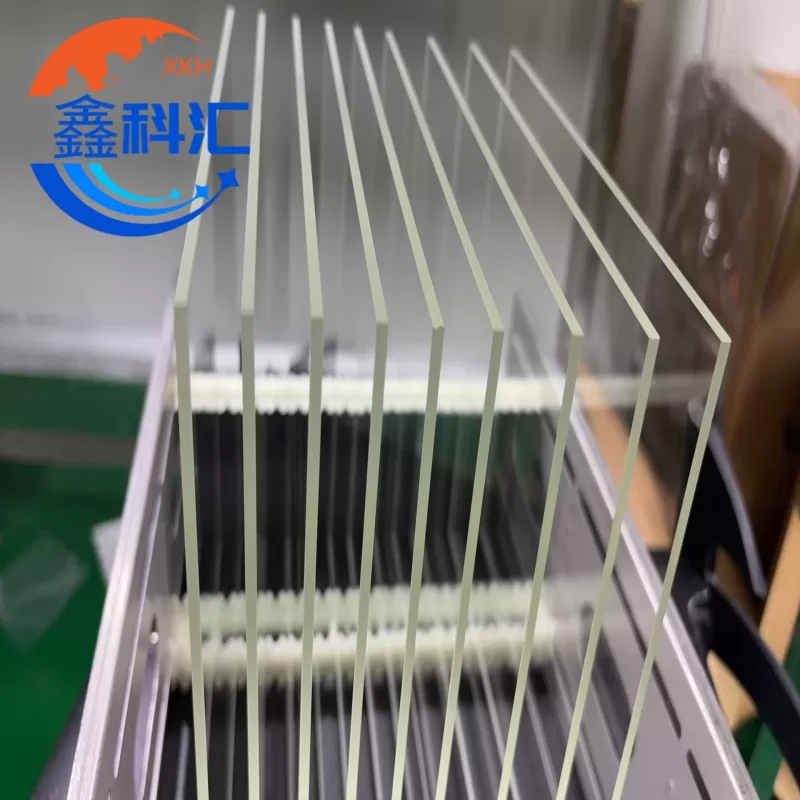
Optical quartz glass, commonly known as fused silica, is a highly pure, amorphous form of silicon dioxide (SiO₂). Due to its exceptional optical, thermal, and
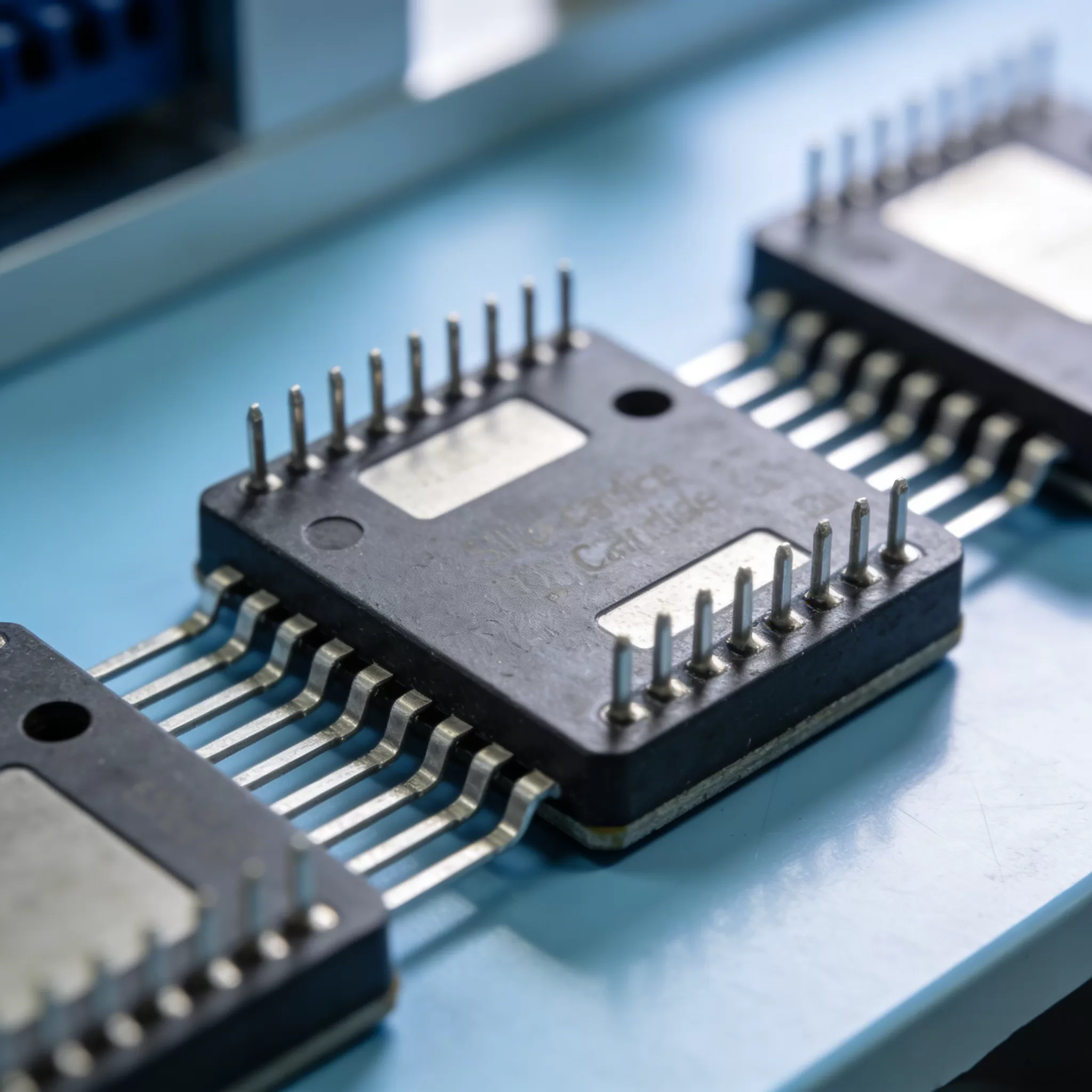
Introduction: Efficiency as a System-Level Constraint As global energy systems move toward electrification, decarbonization, and higher power density, efficiency has evolved from a desirable feature
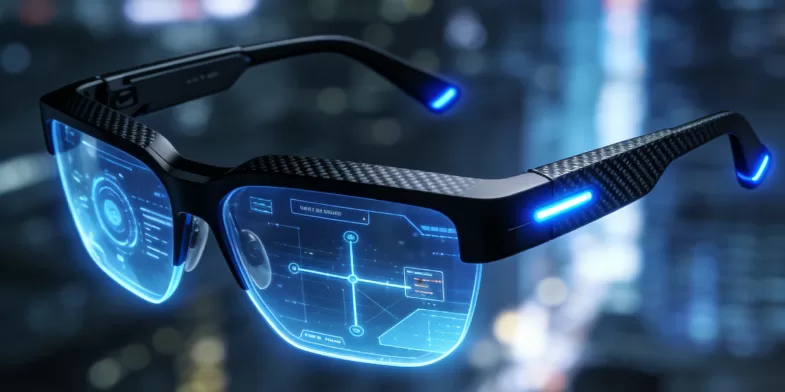
This paper explores the potential and challenges of using Silicon Carbide (SiC) in the development of Augmented Reality (AR) glasses. Traditionally used in power devices,
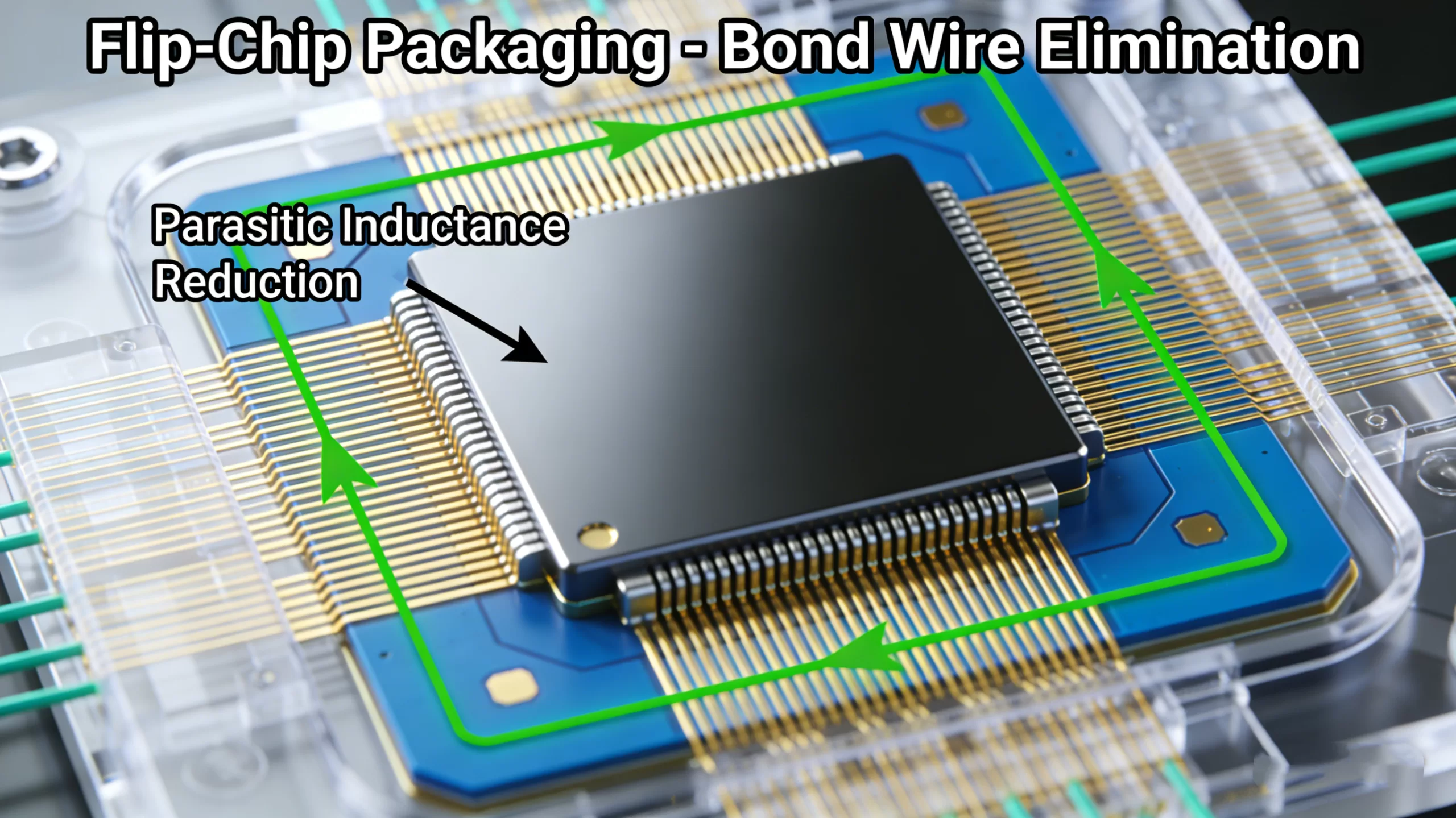
Silicon Carbide (SiC) has gained increasing attention as a wide-bandgap semiconductor material for power devices over the past two decades. Compared to silicon (Si), SiC
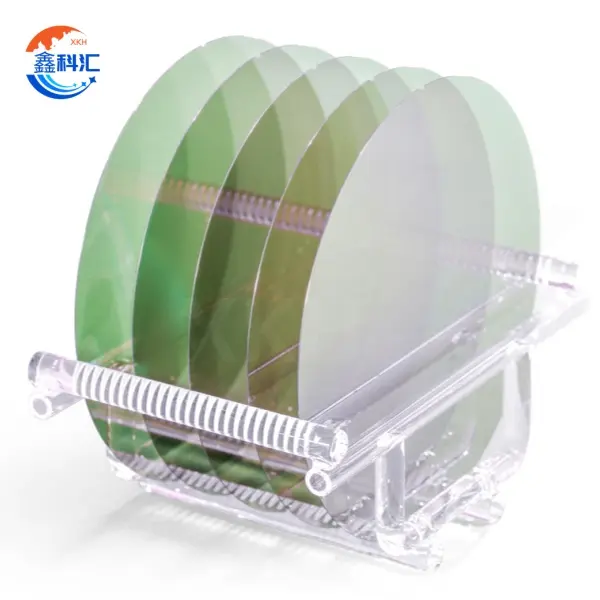
1. Introduction: From Wafer Diameter to Industrial Capability In semiconductor technology, wafer diameter has historically served as a reliable indicator of manufacturing maturity. Each major
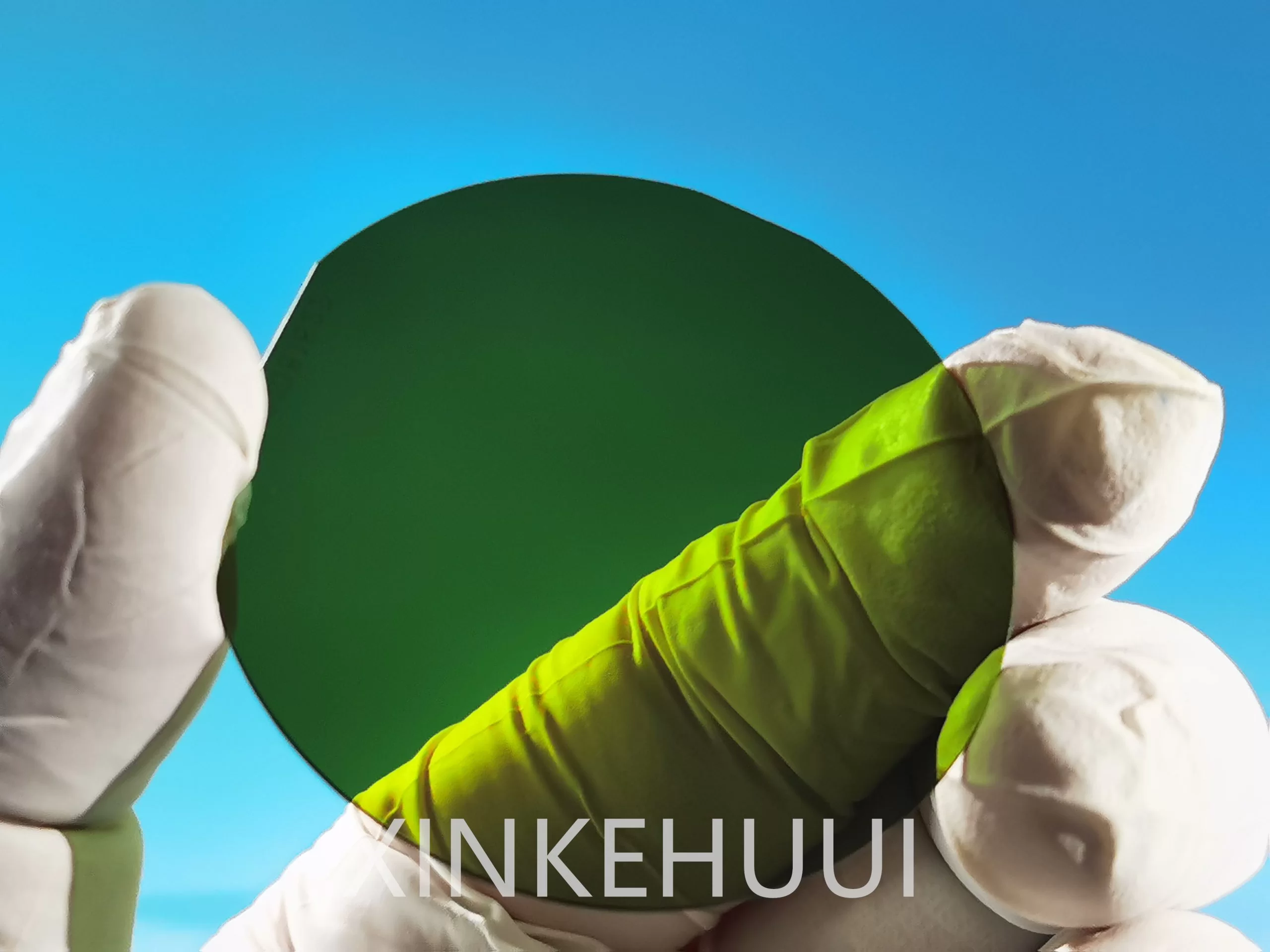
Silicon carbide (SiC) wafers have become a cornerstone material in modern power electronics, high-temperature devices, and wide-bandgap semiconductors. While much attention is paid to wafer