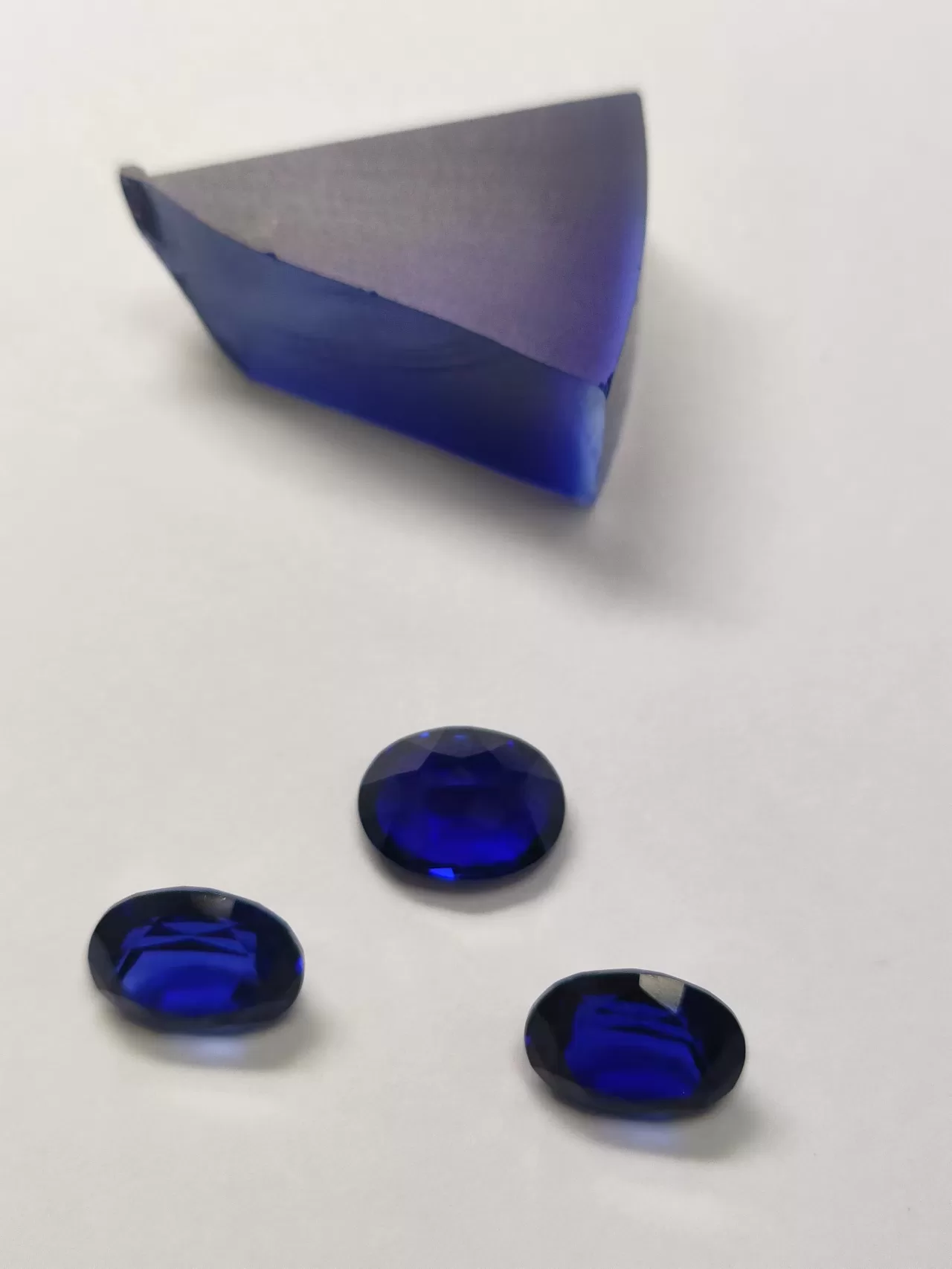
Sapphire ingot‘s abstract
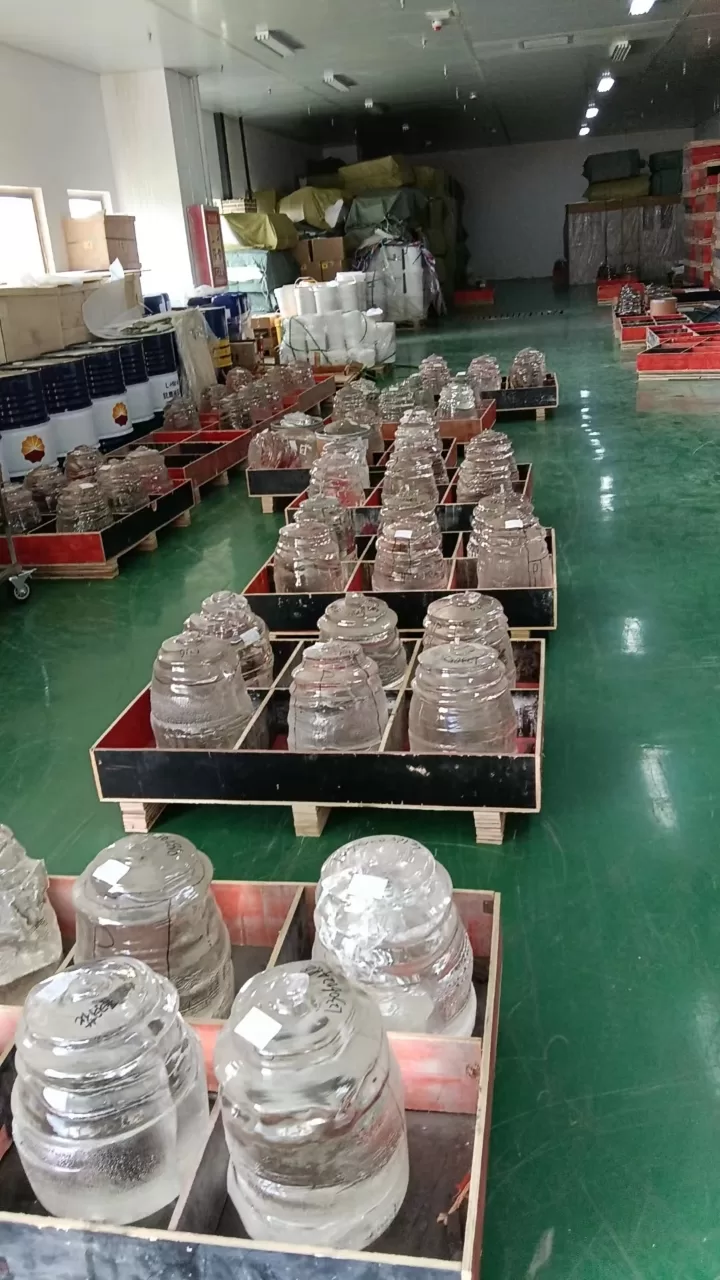
Our sapphire ingots, meticulously crafted from aluminum oxide crystals, serve as the foundation for producing high-quality sapphire substrates. With a focus on precision engineering and performance optimization, our ingots are tailored to meet the demands of various industrial applications. Sapphire, with its hexagonal lattice structure, offers exceptional properties determined by crystal orientation, making it ideal for epitaxial film growth and substrate manufacturing. The application spectrum of sapphire ingots is vast, spanning industries such as optoelectronics, microelectronics, and telecommunications.
In the realm of optoelectronics, sapphire substrates facilitate the growth of III-V and II-VI group deposited films, enabling the production of LED products, laser diodes, and infrared detectors. Furthermore, in microelectronics, sapphire ingots support the fabrication of high-speed integrated circuits and pressure sensors through epitaxial silicon film growth.
In the context of China’s domestic landscape, the demand for sapphire ingots continues to surge, driven by the rapid expansion of industries reliant on advanced materials. With our commitment to innovation and quality assurance, we stand poised to meet the evolving needs of the Chinese market. Our sapphire ingots are available in a range of sizes and weights, ensuring versatility and adaptability across diverse manufacturing processes. Whether it’s 80kg, 200kg, or 400kg ingots, our comprehensive product lineup caters to the specific requirements of our discerning clientele.
Our dedication to excellence extends beyond product provision; we offer comprehensive support services, including technical consultation and customized solutions, to facilitate seamless integration into our customers’ operations. As pioneers in the sapphire industry, we strive to uphold the highest standards of quality, reliability, and customer satisfaction, driving continuous innovation and advancement in the field of advanced materials.
Together, let us embark on a journey of collaboration and excellence, harnessing the unparalleled capabilities of sapphire ingots to unlock new possibilities and propel industries forward into a future defined by innovation and ingenuity.
Sapphire ingot‘s showcase
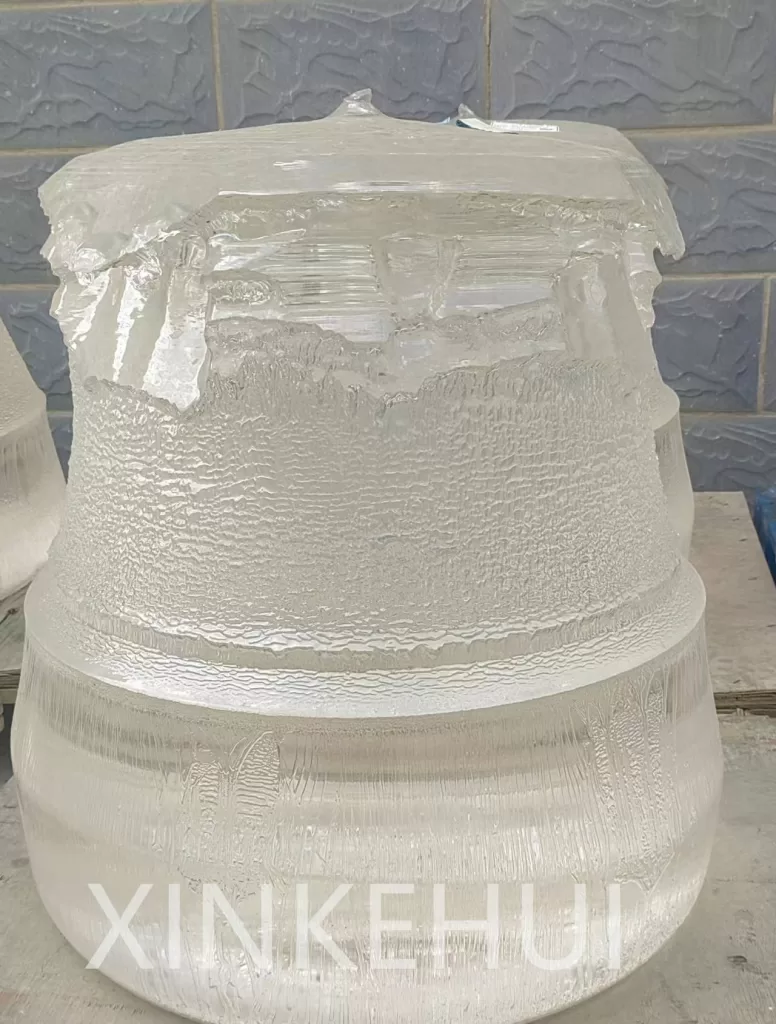
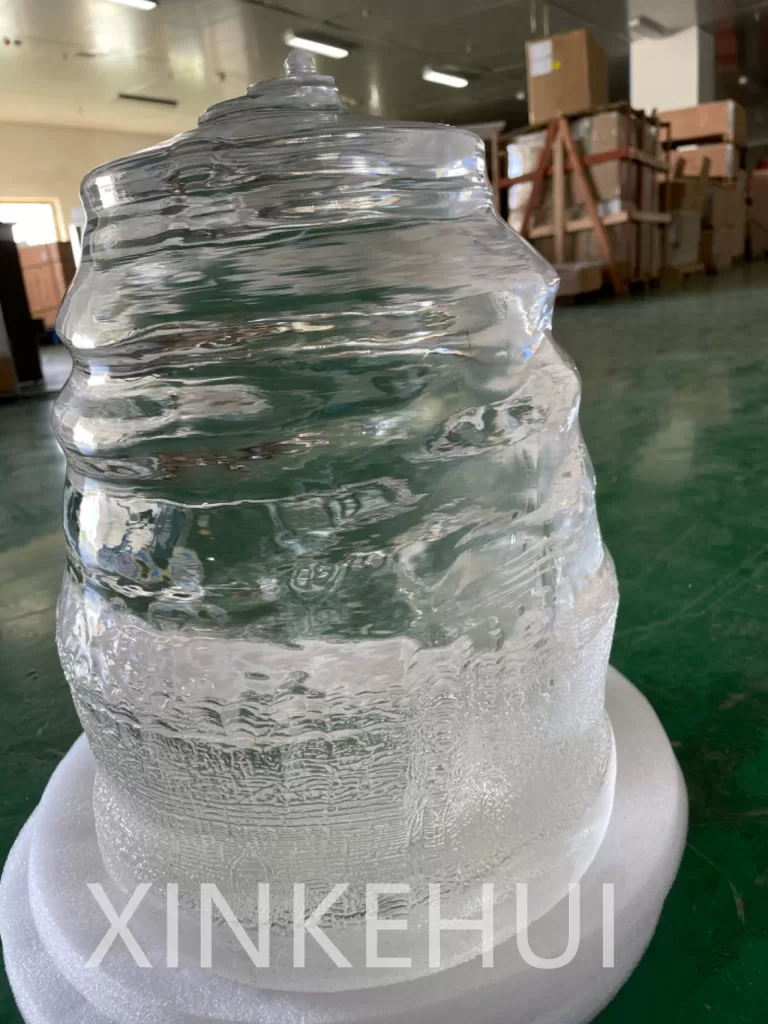
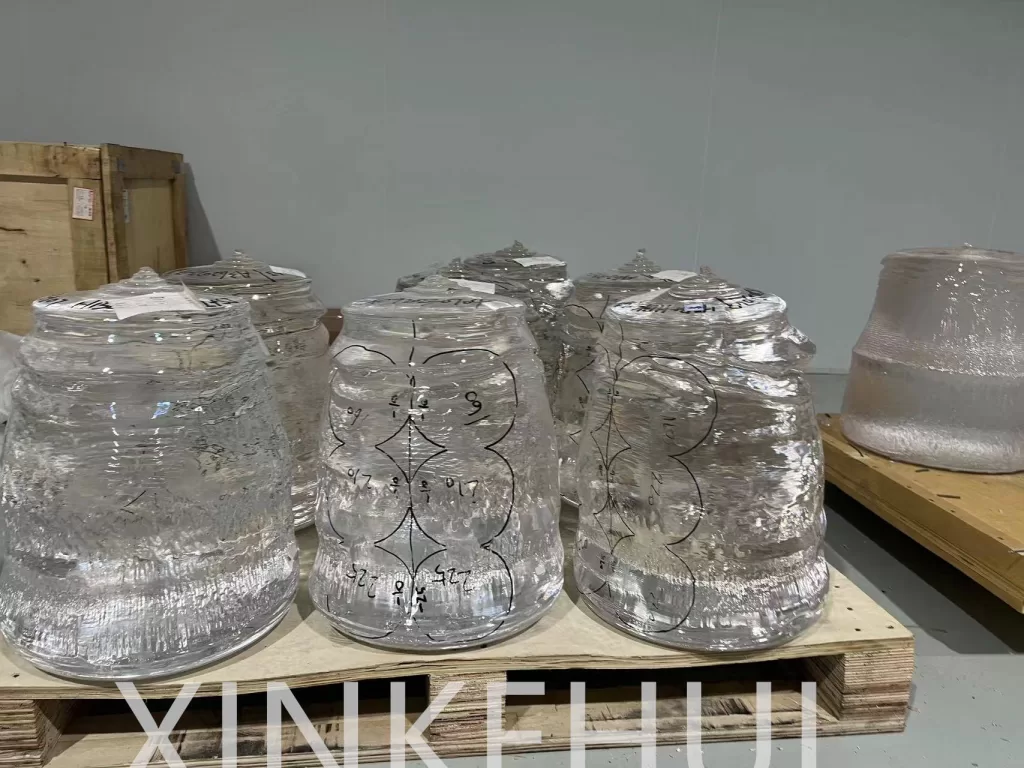
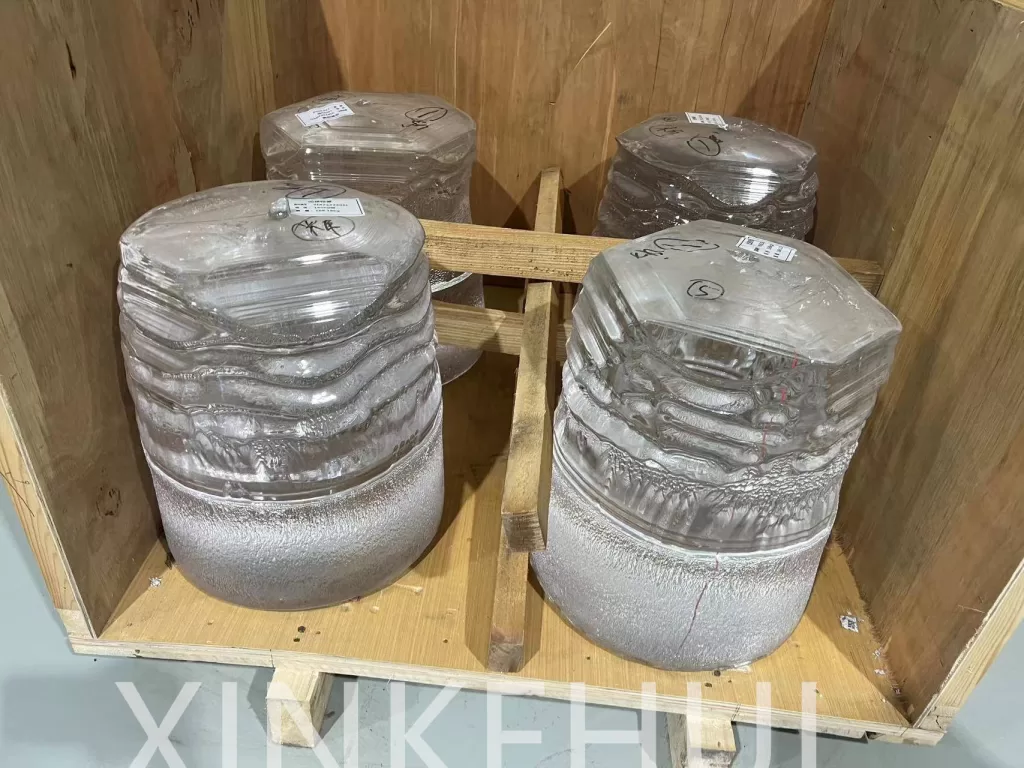
Sapphire ingot‘s applications
- Optoelectronics: Sapphire ingots are widely used in optoelectronic devices such as LEDs (Light Emitting Diodes), laser diodes, and photodetectors. Sapphire substrates provide a stable and reliable platform for the growth of semiconductor materials like Gallium Nitride (GaN), which are crucial for these devices.
- Microelectronics: In microelectronics, sapphire ingots serve as substrates for the fabrication of high-speed integrated circuits, pressure sensors, and other electronic components. The high thermal conductivity and electrical insulation properties of sapphire make it suitable for these applications.
- Telecommunications: Sapphire ingots find applications in telecommunications for the production of components such as radio frequency (RF) filters and microwave integrated circuits (MICs). Sapphire’s high dielectric constant and low loss tangent make it valuable for these high-frequency applications.
- Teolliset sovellukset: Sapphire ingots are utilized in various industrial applications, including wear-resistant bearings, cutting tools, and high-pressure windows. The hardness and durability of sapphire make it ideal for harsh environments where other materials may fail.
- Scientific Instruments: Sapphire ingots are also used in scientific instruments such as optical windows, lenses, and substrates for spectroscopy. Sapphire’s optical clarity and scratch resistance make it suitable for these precision applications.
- Aerospace and Defense: Sapphire ingots are crucial in aerospace and defense applications for their exceptional strength, transparency, and resistance to harsh environments. They are used in aircraft windows, missile domes, and infrared sensors. Sapphire’s ability to withstand extreme temperatures and high velocities makes it an ideal material for protecting sensitive instruments and optics in aerospace and defense systems.
- Medical Devices: Sapphire ingots play a vital role in medical devices due to their biocompatibility, hardness, and optical clarity. They are used in surgical tools, endoscopes, and medical implants. Sapphire’s inert nature and resistance to corrosion make it suitable for direct contact with body tissues and fluids, ensuring the safety and reliability of medical procedures and implants.
- Watchmaking and Luxury Goods: Sapphire ingots are highly valued in the watchmaking industry for their scratch resistance and clarity. They are used as watch crystals, providing a durable and scratch-resistant surface that protects the watch face. Additionally, sapphire ingots are used in luxury goods such as jewelry and luxury accessories, where their exceptional beauty and durability enhance the value and appeal of the finished products.
Sapphire ingot‘s feature
- Kovuus: Sapphire ingots are one of the hardest materials available, second only to diamond on the Mohs scale. This exceptional hardness makes them highly resistant to scratching and abrasion, ensuring durability and longevity in demanding environments.
- Transparency: Sapphire ingots exhibit excellent optical transparency, particularly in the visible and near-infrared regions of the electromagnetic spectrum. This transparency allows for the transmission of light with minimal distortion, making sapphire ideal for optical applications such as lenses, windows, and laser components.
- Chemical Inertness: Sapphire ingots are chemically inert and resistant to most acids and alkalis, as well as to corrosion from moisture and atmospheric gases. This inertness makes sapphire suitable for use in corrosive environments and ensures long-term stability in various chemical and industrial applications.
- Lämmönjohtavuus: Sapphire ingots possess high thermal conductivity, allowing them to efficiently dissipate heat. This property makes sapphire ideal for use in high-temperature environments and applications requiring thermal management, such as LED substrates and high-power electronic devices.
- Electrical Insulation: Sapphire ingots are excellent electrical insulators, with high dielectric strength and low dielectric loss. This electrical insulation property makes sapphire suitable for use in electronic components, such as insulating substrates for microelectronics and RF/microwave devices.
- Biocompatibility: Sapphire ingots are biocompatible materials, meaning they are non-toxic and well-tolerated by the human body. This biocompatibility makes sapphire suitable for use in medical implants, surgical instruments, and other biomedical applications.
- Naarmujen kestävyys: Sapphire ingots are highly scratch-resistant, making them ideal for applications where surface integrity is crucial, such as watch crystals, smartphone screens, and protective covers for optical instruments.
- High Melting Point: Sapphire ingots have a high melting point of approximately 2040 degrees Celsius (3700 degrees Fahrenheit), allowing them to withstand extreme temperatures without melting or deforming. This property makes sapphire suitable for use in high-temperature environments, such as furnace windows and thermal insulation components.
- Low Thermal Expansion: Sapphire ingots exhibit low thermal expansion coefficients, meaning they expand and contract minimally with changes in temperature. This thermal stability makes sapphire suitable for precision optical and mechanical applications where dimensional stability is essential.
- Wide Bandgap: Sapphire ingots have a wide bandgap of approximately 9 eV, making them optically transparent in the ultraviolet (UV) range. This property enables sapphire to be used in UV-sensitive applications, such as UV photodetectors, UV light-emitting diodes (LEDs), and UV optics for spectroscopy and lithography.
- Environmental Stability: Sapphire ingots are highly stable in harsh environmental conditions, including exposure to radiation, UV light, and extreme temperatures. This stability ensures reliable performance and long-term durability in challenging operating environments, such as space exploration, nuclear applications, and aerospace systems.
- Ease of Fabrication: Despite its hardness, sapphire ingots can be machined and polished to precise specifications using diamond tools and abrasive techniques. This ease of fabrication allows for the production of complex shapes and custom-designed components for various applications.
- These features collectively make sapphire ingots a versatile and valuable material for a wide range of industrial, scientific, and technological applications, where exceptional mechanical, optical, thermal, and chemical properties are required.
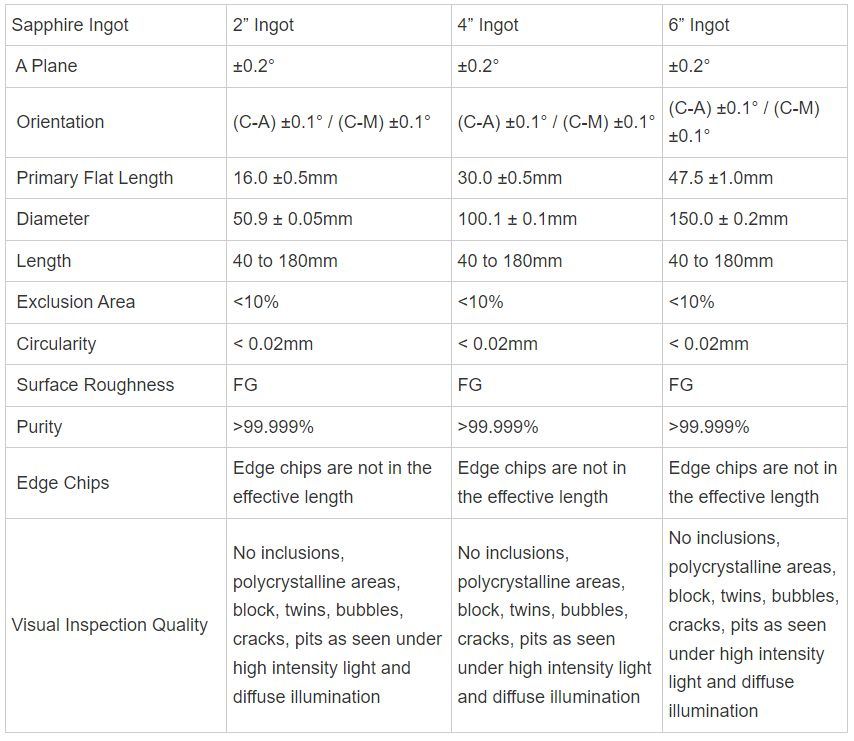
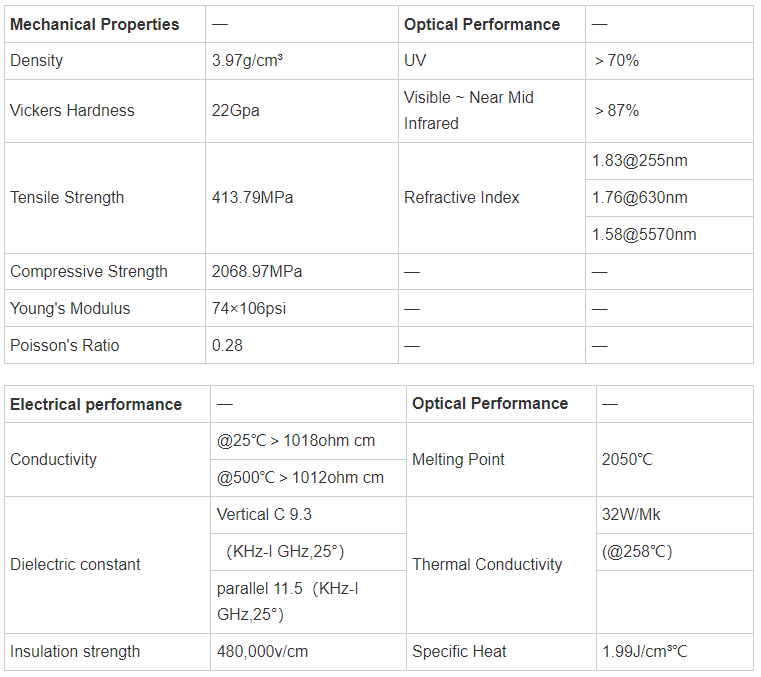
The advantages of our company in sapphire ingot production
Crafted with precision from aluminum oxide crystals, our sapphire ingots are the cornerstone of high-quality sapphire substrate production. Engineered with a keen focus on performance optimization, our ingots are tailored to meet the diverse needs of industrial applications. Sapphire’s unique hexagonal lattice structure imbues it with exceptional properties dictated by crystal orientation, making it an ideal choice for epitaxial film growth and substrate manufacturing.
The applications of our sapphire ingots span a wide range of industries, including optoelectronics, microelectronics, and telecommunications. In optoelectronics, our sapphire substrates facilitate the growth of III-V and II-VI group deposited films, enabling the production of cutting-edge LED products, laser diodes, and infrared detectors. Additionally, in microelectronics, our ingots support the fabrication of high-speed integrated circuits and pressure sensors through epitaxial silicon film growth.
In the rapidly evolving landscape of China’s domestic market, the demand for sapphire ingots continues to soar, driven by the expansion of industries reliant on advanced materials. With our unwavering commitment to innovation and quality assurance, we are poised to meet the evolving needs of our Chinese clientele. Our comprehensive range of sapphire ingots, available in various sizes and weights, ensures versatility and adaptability across a multitude of manufacturing processes, catering to the specific requirements of our discerning customers.
Beyond product provision, we offer comprehensive support services, including technical consultation and customized solutions, to seamlessly integrate our ingots into our customers’ operations. As pioneers in the sapphire industry, we uphold the highest standards of quality, reliability, and customer satisfaction, fostering continuous innovation and advancement in the realm of advanced materials.
Let us embark together on a journey of collaboration and excellence, leveraging the unparalleled capabilities of our sapphire ingots to unlock new opportunities and drive industries forward into a future defined by innovation and ingenuity.
Production process
The production process of sapphire ingots involves several key steps:
- Raw Material Selection: High-purity aluminum oxide (Al2O3) crystals are carefully selected as the raw material for sapphire ingot production. These crystals must meet stringent quality standards to ensure the desired properties in the final ingots.
- Melting and Crystal Growth: The selected aluminum oxide crystals are melted in a high-temperature furnace under controlled conditions. Once melted, a seed crystal of sapphire is introduced into the molten material, initiating the growth of a single crystal ingot. The ingot is slowly pulled from the melt, allowing the crystal to grow vertically with a controlled diameter.
- Crystal Annealing: After the ingot is grown to the desired size, it undergoes a process called annealing. Annealing involves heating the crystal to a specific temperature and then slowly cooling it to relieve internal stresses and improve its mechanical and optical properties.
- Cutting and Polishing: Once annealed, the sapphire ingot is cut into smaller segments using diamond saws or laser cutting tools. These segments are then ground and polished to achieve the desired dimensions, surface finish, and optical clarity.
- Quality Control and Testing: Throughout the production process, rigorous quality control measures are implemented to ensure the integrity and purity of the sapphire ingots. Various testing methods, such as optical inspection, X-ray diffraction, and chemical analysis, are employed to verify the crystal structure, composition, and overall quality of the ingots.
- Packaging and Shipment: Upon passing quality inspection, the finished sapphire ingots are carefully packaged to protect them during transit. They are then shipped to customers for use in various industrial, scientific, and technological applications.
Overall, the production process of sapphire ingots is a complex and precise operation that requires expertise in materials science, crystal growth techniques, and quality assurance to produce high-quality ingots with consistent properties.
KYSYMYKSET JA VASTAUKSET
How is sapphire glass made?
Synthetic sapphire glass is not really glass at all. It is a very hard, transparent material made by crystallizing pure aluminium oxide at a very high temperature. Synthetic sapphire has the same hardness as natural sapphire. When heated, it forms a pulp which is then cut into pieces with diamond coated saws.
How strong is sapphire?
Corundum (ruby and sapphire) is relatively hard—9 on the Mohs scale. It has excellent toughness and no cleavage, which is a tendency to break when struck. This makes it a great choice for rings and other mountings subject to daily wear. Sapphire ranks 9 on the Mohs hardness scale.
How is sapphire crystal made?
Sapphire crystal is a synthetic material that is made from a process of crystallising pure aluminium oxide at very high temperatures. Like naturally occurring sapphires, synthetic sapphire is just as hard – just a grade behind diamonds on the Mohs hardness scale.
Why are lab-created sapphires so cheap?
Because they’re made in a controlled environment in less time, lab sapphires cost less than their natural counterparts. Prices for natural sapphires really depend on a mix of color and size.
Lab-created sapphires are often less expensive than natural sapphires for several reasons:
- Production Costs: The process of creating lab-grown sapphires, such as the Verneuil process or the Czochralski method, can be more efficient and cost-effective than mining natural sapphires. While the initial investment in equipment and technology may be significant, the ability to produce sapphires in controlled laboratory conditions can lead to lower overall production costs.
- Abundance: Natural sapphires are formed over millions of years under specific geological conditions, making them relatively rare and limited in supply. In contrast, lab-created sapphires can be produced in large quantities and on-demand, leading to greater availability and lower prices.
- Johdonmukaisuus: Lab-grown sapphires can be produced with consistent quality, color, and clarity, whereas natural sapphires can vary widely in these characteristics. This consistency allows for more predictable pricing and reduces the need for sorting and grading, further lowering costs.
- Ethical Considerations: Lab-created sapphires are often seen as a more ethical choice compared to mined sapphires, as they do not involve the environmental impact or ethical concerns associated with mining. This perception may also contribute to their lower cost relative to natural sapphires.
- Market Demand: While natural sapphires may hold a certain prestige and value due to their rarity and natural origin, lab-created sapphires cater to a broader market segment looking for affordable yet high-quality gemstones. The greater affordability of lab-created sapphires can attract consumers who may be price-conscious or seeking value for money.
Overall, the combination of lower production costs, greater availability, consistent quality, ethical considerations, and market demand contributes to the relatively lower prices of lab-created sapphires compared to natural sapphires.
Product recommendation
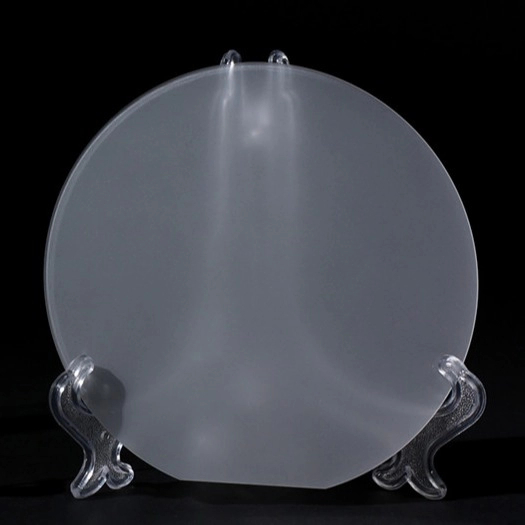
C-aixs Sapphire Wafer kaksipuolinen kiillotettu Al2O3 2 tuumaa 3 tuumaa 4 tuumaa 6 tuumaa 8 tuumaa 8 tuumaa
Safiirikiekot, composed of crystalline aluminum oxide, have garnered significant attention across multiple industries due to their exceptional properties. This abstract aims to provide an extensive overview of sapphire wafers, exploring their diverse applications, manufacturing processes, and performance characteristics.
Initially used primarily in the semiconductor industry as substrates for gallium nitride (GaN) epitaxy, sapphire wafers have since expanded their utility to encompass a broad spectrum of applications. Their high thermal conductivity, optical transparency spanning from ultraviolet to infrared wavelengths, and remarkable hardness render them indispensable in fields ranging from optoelectronics and photonics to aerospace and defense.
Manufacturing processes for sapphire wafers vary depending on the desired specifications and applications. Techniques such as Verneuil, Czochralski, and heat exchange methods are employed to grow single-crystal sapphire ingots, which are subsequently sliced and polished into wafers of various sizes and thicknesses. Post-growth treatments, including annealing and chemical-mechanical polishing, further enhance the crystalline quality and surface finish of the wafers.
sininen raaka safiiri jalokivi Synteettinen Royal Blue Sapphire Rough ylellinen 500g 1000g 1000g
Synthetic gemstones, notably the Synthetic Royal Blue Sapphire, have captivated the gemstone industry with their exceptional allure and burgeoning demand. This abstract comprehensively explores the attributes, manufacturing processes, market dynamics, and ethical considerations surrounding Synthetic Royal Blue Sapphire gemstones.
The Synthetic Royal Blue Sapphire is an artificial gemstone crafted in laboratories to emulate the charm and brilliance of natural sapphires. Utilizing advanced methodologies, it replicates the distinctive royal blue tint synonymous with genuine sapphires. This synthetic rendition ensures uniform color saturation, clarity, and durability, rendering it a coveted choice for jewelry connoisseurs and collectors alike.
The production journey of Synthetic Royal Blue Sapphire entails intricate techniques like the Verneuil process and the Czochralski method. These methodologies afford meticulous control over the gemstone’s chemical composition and crystal structure, yielding gems of unparalleled quality and consistency. Furthermore, technological strides have facilitated the creation of larger and flawless Synthetic Royal Blue Sapphires, broadening horizons for designers and manufacturers.