
Silicon carbide (SiC) wafers have emerged as a cornerstone material in third-generation semiconductor technology. They are widely used in electric vehicles, photovoltaic systems, power electronics, communication equipment, and aerospace applications. Understanding the properties of SiC-wafers, their epitaxial growth, and the challenges in cutting is essential for engineers, device manufacturers, and procurement specialists.
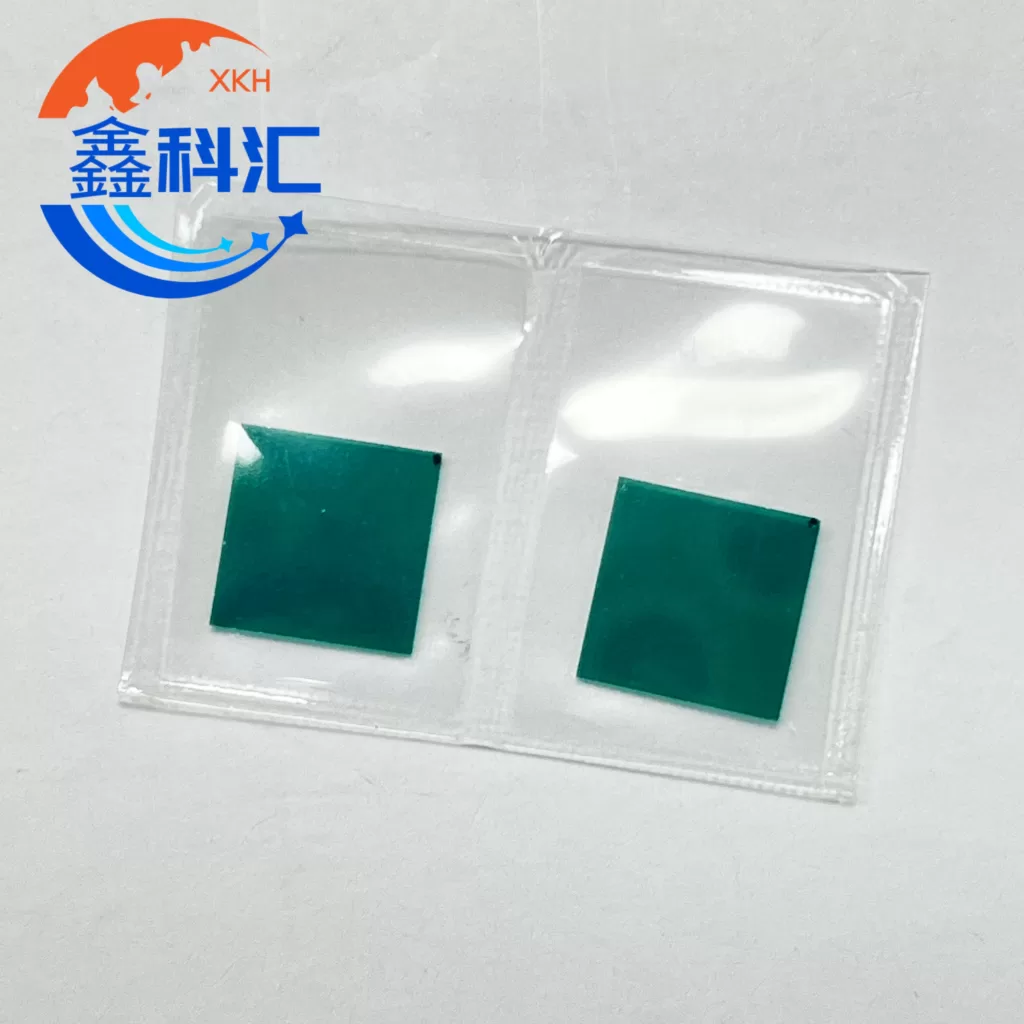
1. SiC Substrates: The Foundation of Semiconductor Devices
SiC substrates are produced from high-purity silicon carbide powder through processes including crystal growth, ingot shaping, cutting, grinding, polishing, and cleaning. The resulting single-crystal wafers serve as the base for various electronic devices. Based on electrical properties, SiC substrates are generally categorized into two types:
- Semi-insulating: These wafers have high resistivity (≥10^5 Ω·cm) and are primarily used for growing GaN heteroepitaxial layers, suitable for high-frequency microwave devices such as HEMTs. Semi-insulating substrates suppress leakage currents in epitaxial layers, improving device consistency and yield.
- Conductive: With low resistivity (approximately 15–30 mΩ·cm), conductive substrates can support homoepitaxial SiC growth. They are ideal for high-power devices such as MOSFETs, IGBTs, and Schottky diodes. Conductive substrates facilitate current conduction and heat dissipation, making them suitable for electric vehicle chargers, photovoltaic inverters, traction systems in rail transport, data center power management, and aerospace power electronics.
2. Epitaxial Layers: Enhancing Device Performance
Epitaxial growth on SiC substrates is a critical step for achieving high-performance semiconductor devices. The most commonly used method is chemical vapor deposition (CVD), which deposits single-crystal thin films on the substrate surface.
- On conductive substrates, SiC homoepitaxial layers are grown to produce high-voltage power devices. These devices are widely applied in electric vehicle charging systems, photovoltaic inverters, traction systems, data center power supplies, and aerospace power electronics.
- On semi-insulating substrates, GaN heteroepitaxial layers are deposited, resulting in GaN-on-SiC wafers. These wafers are used for high-frequency microwave devices in 5G base stations, smart automotive communication systems, radar and electronic countermeasure equipment, high-speed data transmission networks, and flight control electronics.
Epitaxial layers generally offer uniform thickness and doping, low defect density, and improved wafer-to-wafer consistency compared with the bare substrate. The layer thickness is directly related to device voltage rating: thicker layers allow higher voltage handling. For devices ranging from 600 V to 6500 V, epitaxial layer thickness typically varies from 1 to 40 μm. Currently, commercial production of 6-inch SiC epitaxial wafers is established, while 8-inch wafers are moving toward mass production.
3. Key Considerations for Cutting SiC Wafers
Cutting SiC wafers is one of the most challenging steps in manufacturing due to the material’s extreme hardness and brittleness.
- SiC is a strongly covalent compound (approximately 88% covalent bonding) with a tightly packed tetrahedral crystal structure similar to diamond. Its Mohs hardness ranges from 9.2 to 9.5, making it the hardest semiconductor material aside from diamond.
- Doping can induce local lattice strain or defects. Heavy doping may increase dislocation density or create stress concentration zones, making wafers more susceptible to cracking under mechanical stress.
- Conductive SiC wafers can experience localized discharge (micro sparks) during cutting due to friction with the blade, which accelerates abrasive wear or may cause thermal shock cracks. Semi-insulating SiC does not have this discharge effect, making its cutting slightly less risky in this regard.
Key strategies for cutting SiC wafers include:
- Using diamond-coated saw blades and efficient cooling fluids to reduce thermal stress and minimize micro-cracks.
- Adjusting cutting parameters such as speed, pressure, and feed rate according to wafer thickness, crystal quality, and doping type.
- Considering differences between conductive and semi-insulating wafers, as their thermal and electrical behaviors under cutting conditions differ.
Ultimately, the main challenges in SiC wafer cutting are hardness, brittleness, and local stress concentration. Selecting appropriate cutting methods and optimizing process parameters are crucial for preserving wafer integrity and ensuring high yield in downstream devices.
SiC wafers are fundamental to modern high-power and high-frequency electronics. By understanding substrate types, epitaxial growth characteristics, and cutting considerations, engineers and manufacturers can optimize production processes and improve device performance.