
Virtual Reality has advanced fast—higher pixel densities, wider fields of view, lighter optics. Yet one part of the device rarely gets the spotlight: the protective window that sits between the external world and the delicate optical engine inside. As VR shifts toward lighter, slimmer, and more durable designs, a surprising material is stepping into the limelight: vidro de safira.
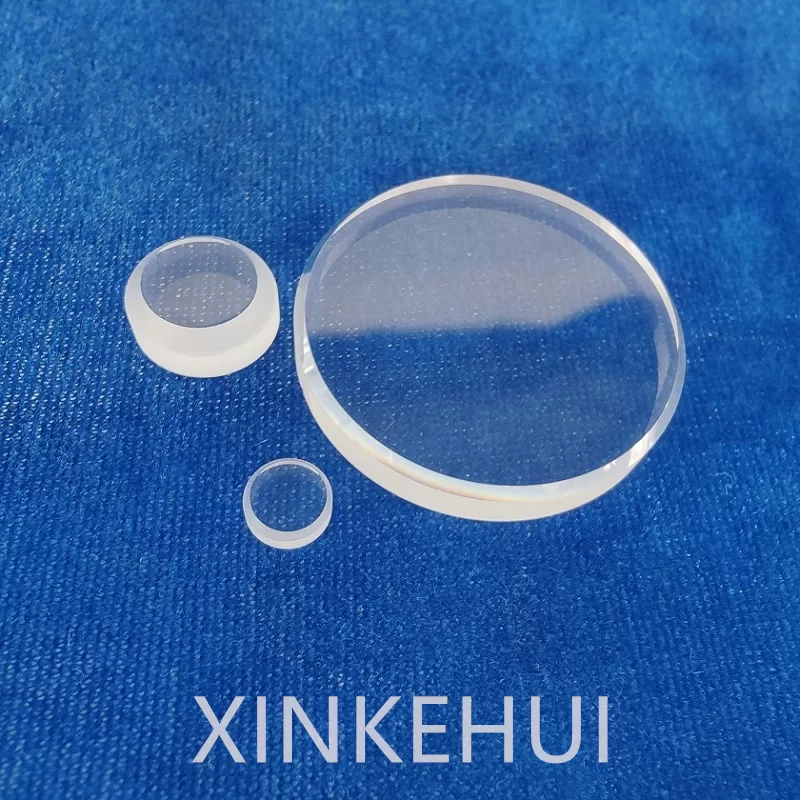
Not the gemstone—though it shares the same chemistry—but a highly engineered crystal built to survive extreme environments. And it may become one of the most critical “invisible” components in next-generation headsets.
What Makes Sapphire Glass Different from Ordinary Glass?
At the atomic level, sapphire is crystalline aluminum oxide. Instead of being formed from a glass melt, it is grown slowly—millimeter by millimeter—into large, flawless boules under tightly controlled conditions.
This engineered crystal behaves very differently from conventional glass:
- Hardness second only to diamond. Sapphire ranks 9 on the Mohs scale, making it extraordinarily scratch resistant. Even metal tools and everyday wear can barely leave a mark.
- High optical clarity. Unlike many tough materials, sapphire maintains excellent transparency from visible light into the infrared.
- Chemical and thermal resilience. It tolerates heat, humidity, sweat, and cosmetics—conditions that VR headsets experience constantly.
These traits make sapphire an unusual balance of toughness and optical performance—exactly what immersive devices need.
Why VR Headsets Are Looking at Sapphire Glass
The front window on a headset must perform several jobs at once: protect sensors and cameras, allow unbroken light transmission, and survive years of physical handling. Sapphire excels in all three areas.
1. Protecting Optical Sensors and Pass-Through Cameras
Modern headsets rely on arrays of cameras for hand tracking and mixed-reality pass-through. Traditional cover glass can scratch easily, degrading image quality. Even microscopic scratches scatter light, lowering contrast and confusing tracking algorithms.
Sapphire’s extreme hardness helps maintain long-term optical accuracy, reducing calibration drift and image noise.
2. Enabling Slimmer, Lighter Designs
Because sapphire is exceptionally strong, manufacturers can reduce thickness without sacrificing durability. A thinner optical window:
- cuts front-heavy weight
- improves balance
- increases user comfort during long sessions
As optical architectures evolve toward pancake lenses and compact modules, every millimeter matters.
3. Withstanding Heat and Daily Wear
VR devices face repeated cleaning, outdoor light exposure, sweat, and constant handling. Sapphire’s chemical inertness makes it resistant to:
- fingerprint etching
- alcohol wipes and cleaners
- UV aging
This stability improves product lifespan—especially important for enterprise headsets used by many users daily.
Beyond Protection: Sapphire as a Performance Upgrade
Sapphire is more than a shield. Its optical behavior can actually improve headset performance.
Low Optical Distortion
Because sapphire is a single crystal, it has predictable refractive behavior. Its uniformity reduces distortion and birefringence that can appear in cheaper protective materials.
High Transmission Across a Broad Spectrum
Mixed-reality headsets often rely on near-infrared illumination for environment mapping and hand tracking. Sapphire offers excellent transmission in both visible and IR bands, supporting cleaner tracking data.
Thermal Stability for High-Resolution Displays
Future micro-display engines—micro-OLED and micro-LED—operate near heat-sensitive components. Sapphire’s thermal stability helps designers manage heat flow without compromising clarity.
The Trade-Off: Cost and Manufacturing Complexity
Sapphire’s advantages come with challenges:
- It is more expensive to grow and machine than standard glass.
- Processing requires diamond-coated tools and slow polishing steps.
- Large, complex shapes increase production time.
But as VR shipments grow and production lines optimize, the price gap is narrowing. For premium headsets or enterprise devices, the durability-to-cost ratio is increasingly favorable.
What’s Next? Sapphire in the Era of Mixed Reality
As mixed-reality headsets blend digital content with real-world visuals, optical windows will become even more important. Sapphire’s durability and clarity make it a natural candidate for:
- High-end VR/MR headsets
- Outdoor-capable enterprise devices
- Wearable AR visors requiring scratch-proof optics
- Medical and industrial training systems
In other words, sapphire glass is shifting from a “nice-to-have premium shield” to a key enabler of optical reliability.
Conclusion: The Invisible Upgrade That Enhances Immersion
Users often judge a VR device by resolution, field of view, and latency. But none of those matter if the optical window degrades over time. Sapphire glass offers a way to protect—and even enhance—the heart of immersive technology.
It’s tough, transparent, and exceptionally stable. And as VR moves toward sleeker designs and higher optical demands, sapphire glass may become one of the most important materials shaping the future of immersive reality.