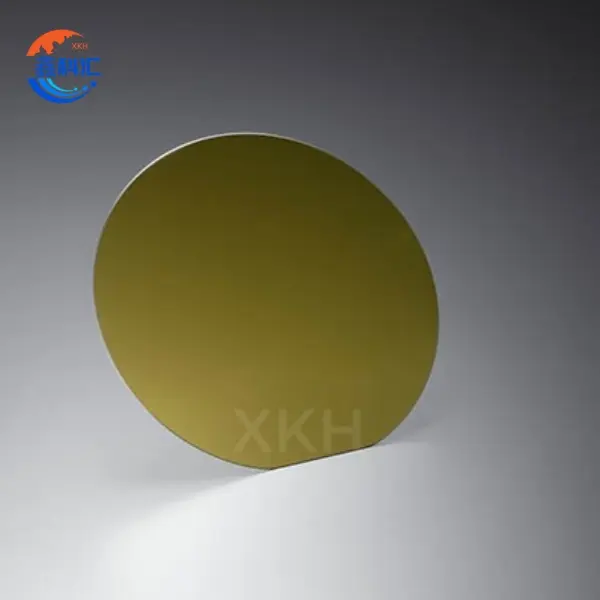
Detailed Overview of Silicon Carbide (SiC) Power Device Fabrication
Silicon carbide (SiC) has emerged as a critical material in high-performance power semiconductor devices due to its wide bandgap, high thermal conductivity, high breakdown field,
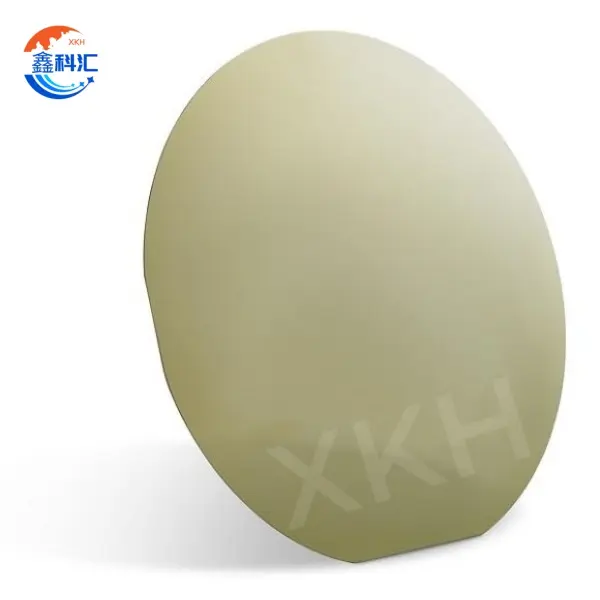
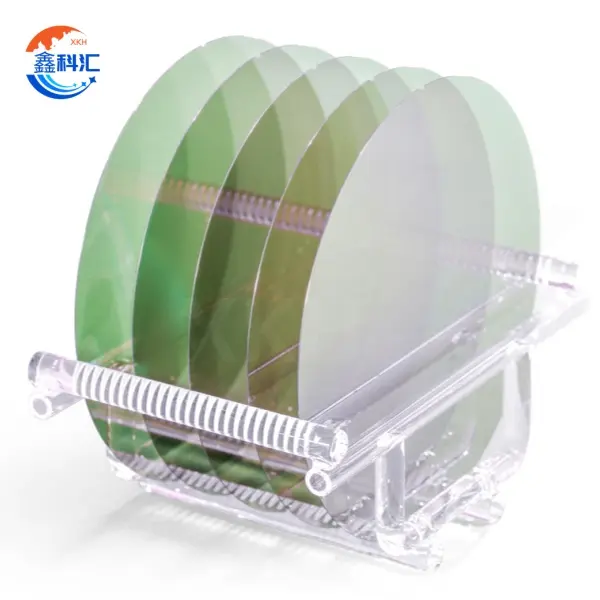
Silicon carbide (SiC) has emerged as a critical material in high-performance power semiconductor devices due to its wide bandgap, high thermal conductivity, high breakdown field,
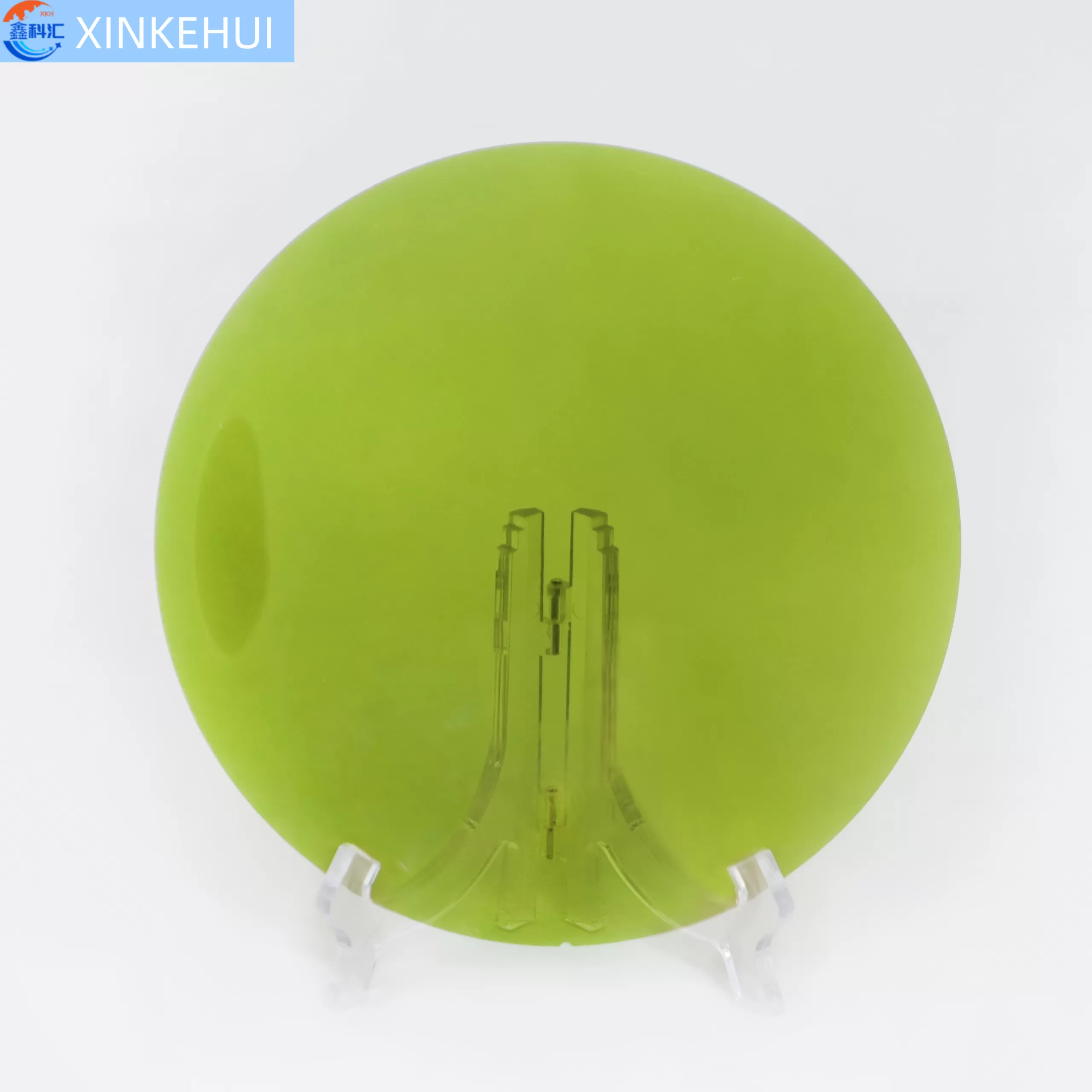
Silicon carbide (SiC) substrates have become a cornerstone material for power electronics, RF devices, and high-temperature semiconductor applications. As demand for high-efficiency electric vehicles, renewable

Silicon carbide (SiC) wafers have become a foundational material for high-power, high-frequency, and high-temperature electronics, particularly in electric vehicles, renewable energy systems, fast chargers, and

Silicon carbide (SiC), especially the 4H‑SiC polytype, plays a foundational role in high‑power and high‑frequency semiconductor devices due to its excellent electrical, thermal, and mechanical

Silicon carbide (SiC) has emerged as a cornerstone material in high-power electronics, high-frequency devices, and harsh-environment applications. Its superior thermal conductivity, high breakdown voltage, and

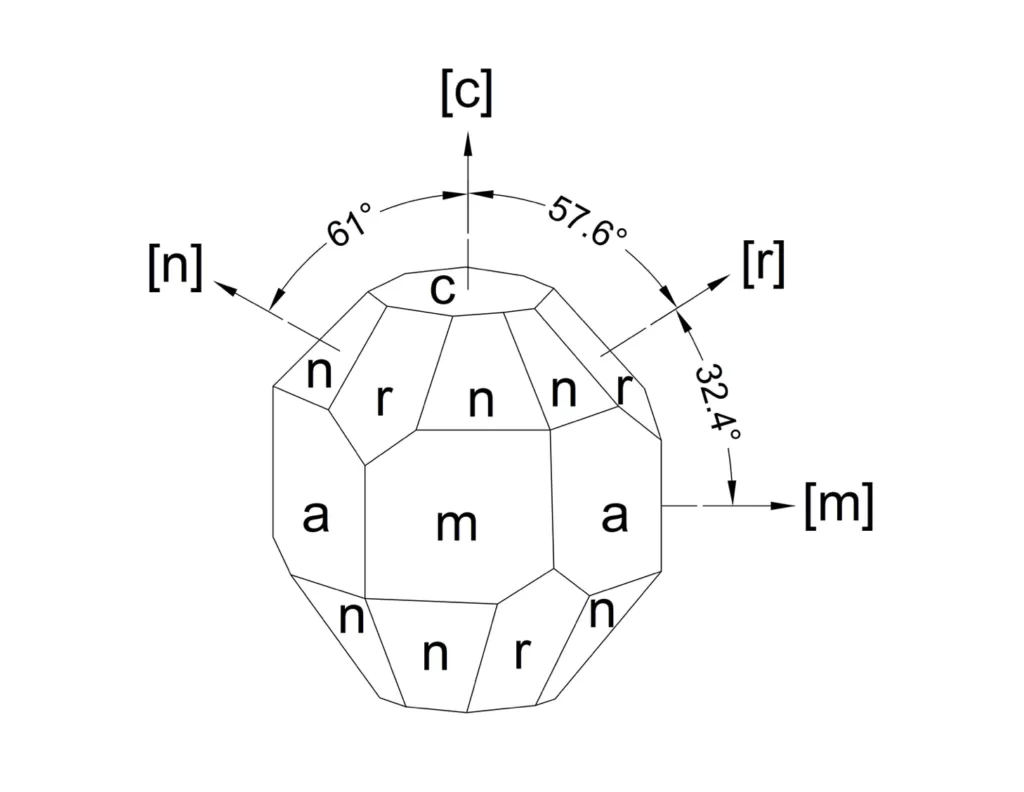
Sapphire (Al₂O₃) is one of the most widely used single-crystal materials in advanced optics, semiconductors, and precision instrumentation. Its exceptional mechanical strength, chemical inertness, and

Silicon Carbide (SiC) stands today as one of the most strategically important materials in advanced manufacturing and power electronics. It is widely used in electric

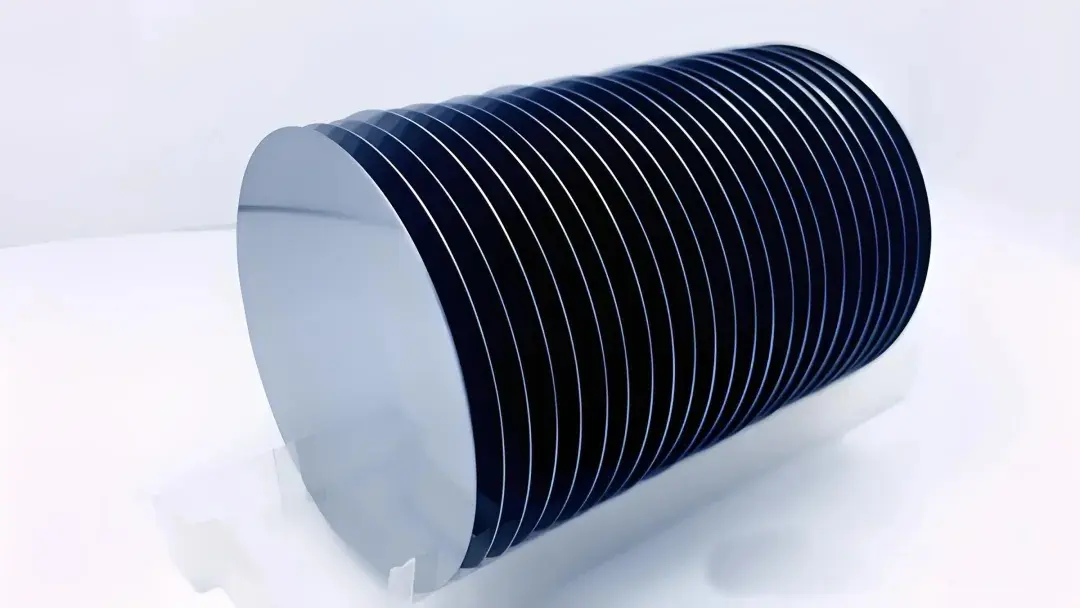
Silicon wafers are essential components in modern electronics, serving as the foundation for devices ranging from smartphones and computers to solar panels and semiconductor devices.