
2026 Marks a Turning Point for Silicon Carbide: From “Who Can Make It?” to “Who Can Make It Cheaper?”
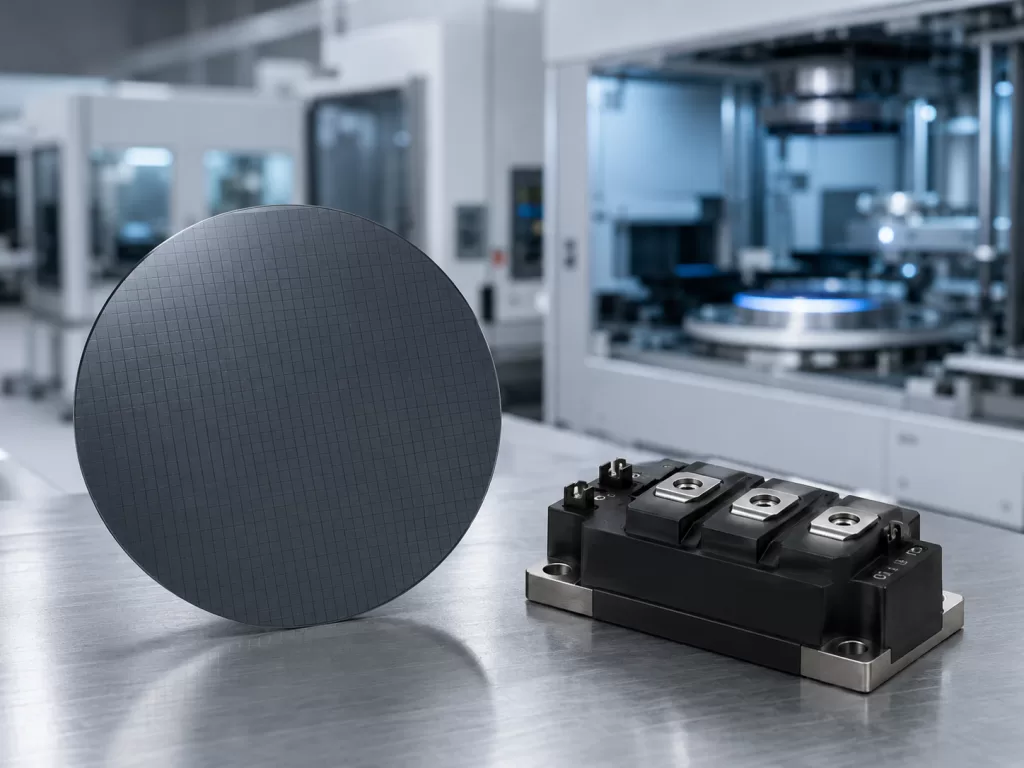
For years, the silicon carbide industry had one overriding question: Who can manufacture high-quality SiC at scale? Crystal growth was difficult. Wafer supply was limited. Defect control was challenging. Device capacity was insufficient, and demand from electric vehicles encouraged manufacturers throughout the supply chain to expand aggressively. In 2026, however, the competitive landscape is changing. […]
SiC Wafer Manufacturing Challenges: Crystal Growth, Slicing, and Polishing
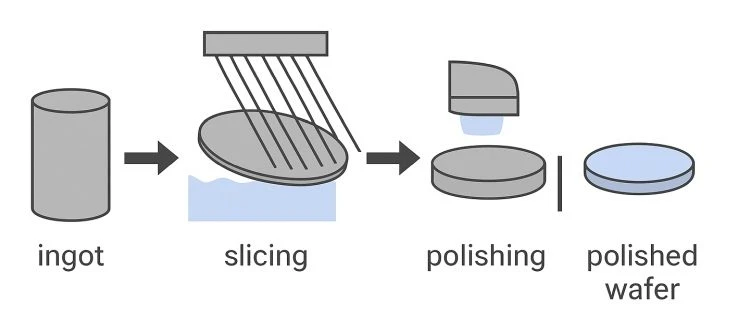
Silicon Carbide (SiC) has emerged as one of the most important semiconductor materials for next-generation power electronics. Thanks to its wide bandgap, high thermal conductivity, and superior breakdown electric field, SiC devices offer significant advantages over traditional silicon-based technologies in electric vehicles, renewable energy systems, industrial drives, and high-voltage power conversion. Despite these advantages, manufacturing […]
Common Defects in SiC Wafer and Their Impact on Device Performance
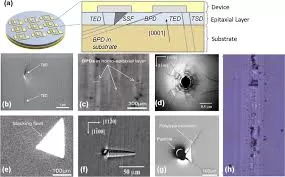
Silicon Carbide (SiC), as a third-generation wide-bandgap semiconductor material, has gained significant importance in power electronics, including electric vehicles, photovoltaic inverters, high-voltage power supplies, and industrial energy systems. Thanks to its wide bandgap, high breakdown electric field, and excellent thermal conductivity, SiC enables devices with higher efficiency, higher switching speed, and better high-temperature stability compared […]
300mm SiC Wafers Challenges: The Technical Hurdles of Crystal Growth in Larger Diameters (EFG vs. PVT)
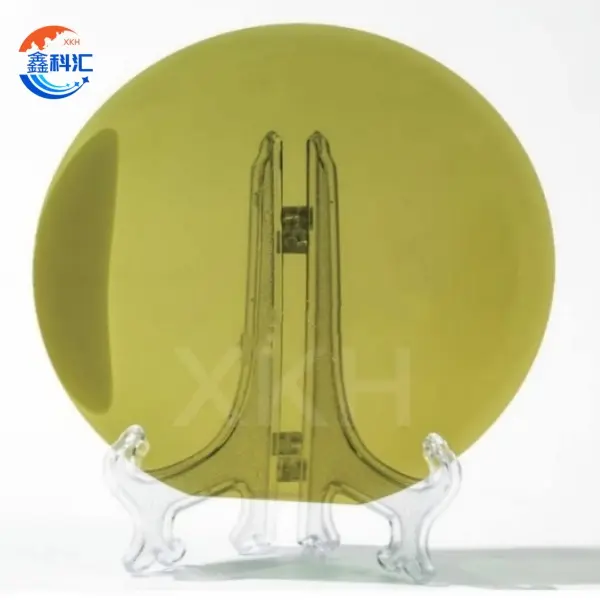
Silicon carbide (SiC) has emerged as a cornerstone material for high-power electronics, electric vehicles, and next-generation semiconductor devices due to its exceptional thermal conductivity, high breakdown voltage, and chemical stability. As the semiconductor industry pushes for larger wafer diameters to reduce production costs and increase throughput, the transition from conventional 150mm and 200mm SiC wafers […]
Advances in SiC Epitaxy: Toward Near-Defect-Free Silicon Carbide Power Devices
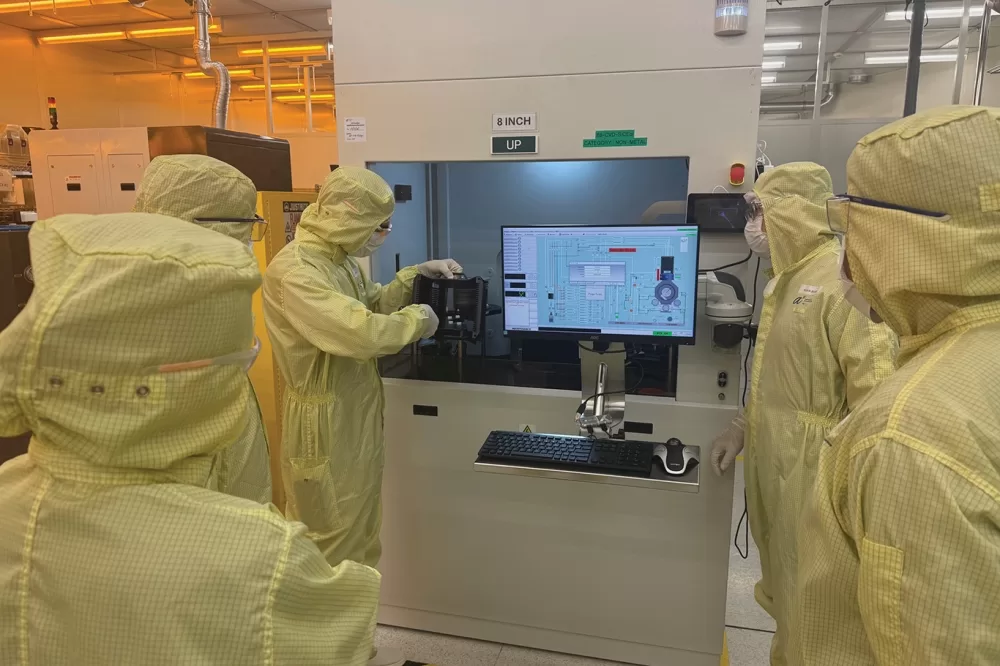
Silicon carbide (SiC) power devices are rapidly expanding their share of the global power electronics market. By surpassing the physical performance limits of conventional silicon devices, SiC enables higher efficiency, higher voltage operation, and improved thermal performance in applications such as electric vehicles, renewable energy systems, and industrial power conversion. Despite these advantages, the relatively […]
SiC Wafers in High-Frequency Applications: Benefits and Practical Limitations
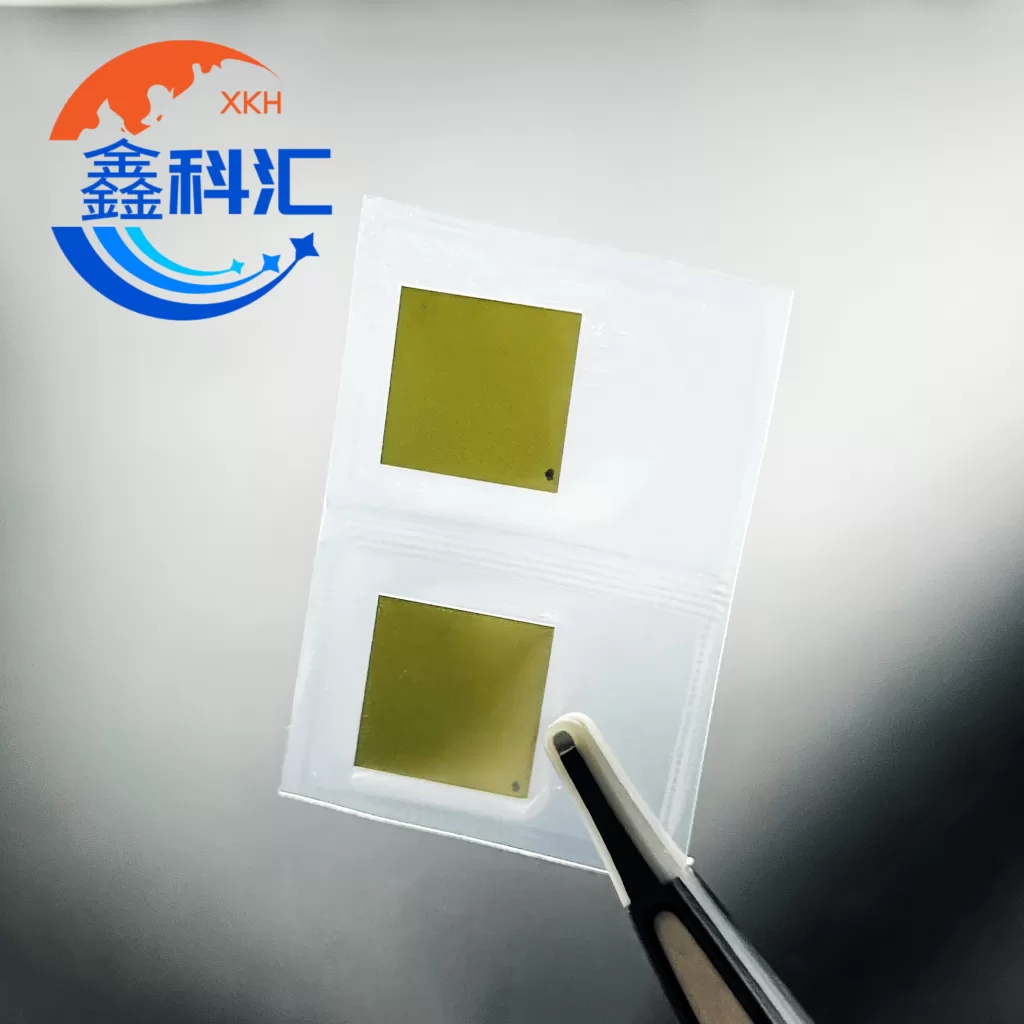
Silicon carbide (SiC) wafers have rapidly gained attention in high-frequency and high-power electronics due to their superior material properties compared to conventional silicon (Si). With a combination of wide bandgap, high thermal conductivity, and high breakdown electric field, SiC substrates provide performance advantages for RF devices, microwave transceivers, and high-speed power electronics. While these advantages […]
Long-Term Reliability of SiC Wafers in High-Power Devices: What Field Data Shows
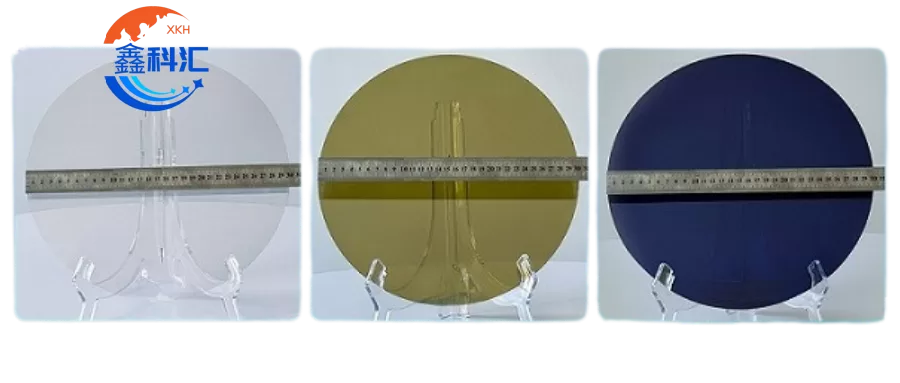
SiC wafers have become the foundation of next-generation high-power and high-voltage devices due to their wide bandgap, high thermal conductivity, and superior breakdown strength. While laboratory-level performance metrics are well documented, long-term reliability under real operating conditions remains a primary concern for power electronics engineers. This article reviews field data, failure statistics, and practical observations […]