
SiC Epi-Wafer Uniformity for High-Temperature Electronics: Epitaxy Thickness, Doping, Defects and 6-Inch Wafer-Level Qualification
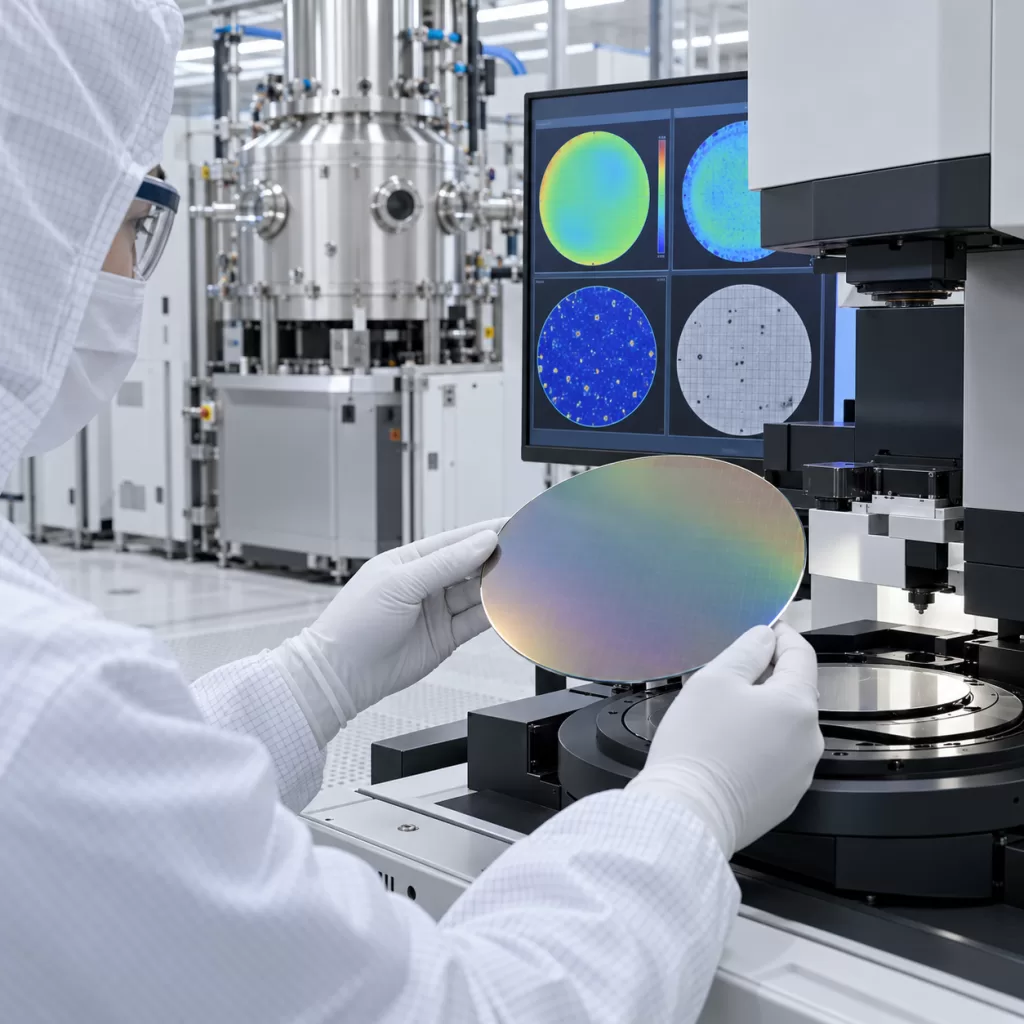
Silicon carbide is increasingly being considered for electronic systems that must operate beyond the practical temperature limits of conventional silicon electronics. Applications such as aerospace sensing, jet engines, geothermal drilling, industrial furnaces and extreme-environment monitoring require semiconductor devices that can maintain stable electrical characteristics under severe thermal conditions. For these applications, however, high-temperature performance cannot […]
2026 Marks a Turning Point for Silicon Carbide: From “Who Can Make It?” to “Who Can Make It Cheaper?”
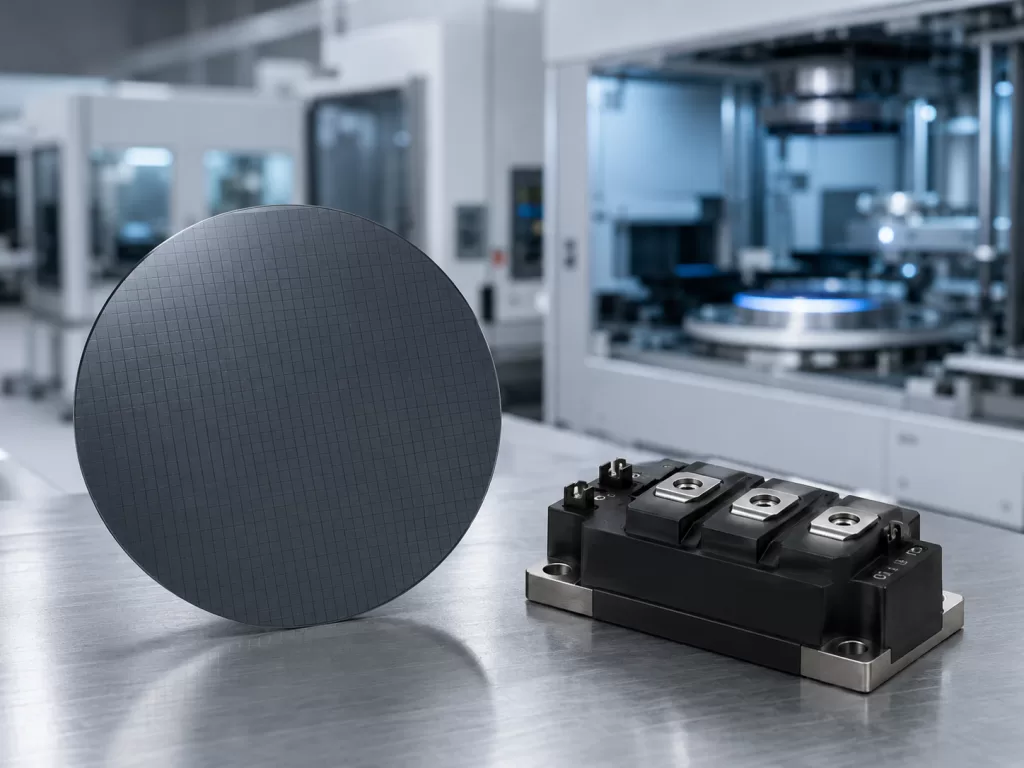
For years, the silicon carbide industry had one overriding question: Who can manufacture high-quality SiC at scale? Crystal growth was difficult. Wafer supply was limited. Defect control was challenging. Device capacity was insufficient, and demand from electric vehicles encouraged manufacturers throughout the supply chain to expand aggressively. In 2026, however, the competitive landscape is changing. […]
Why Advanced SiC Manufacturing Matters: Complexity Drives Technology Leadership
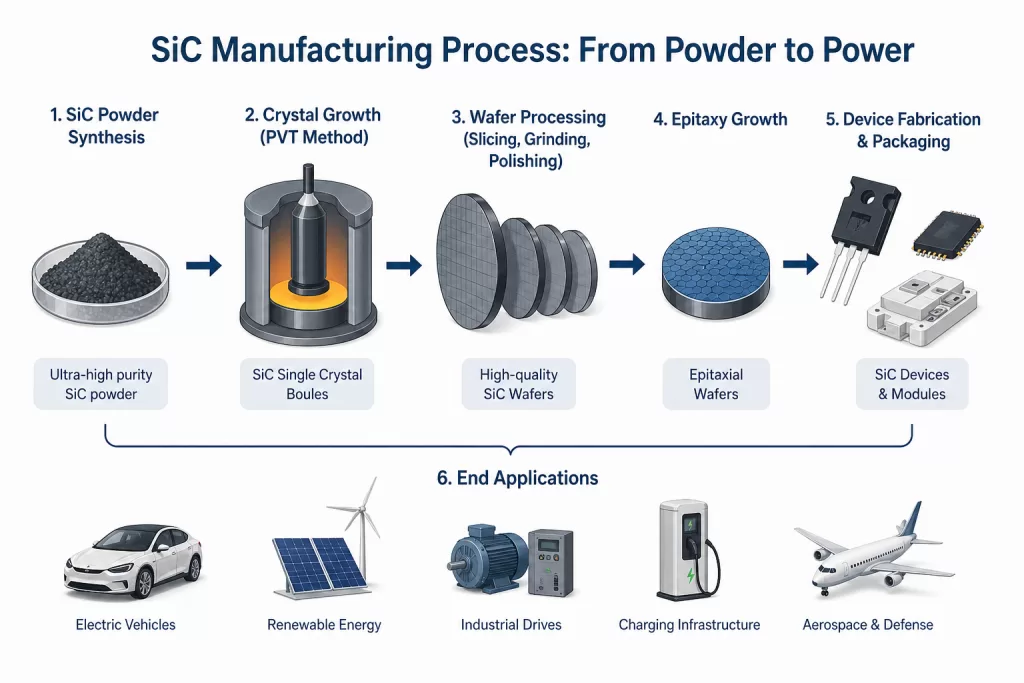
Silicon carbide (SiC) has rapidly become one of the most critical materials in modern semiconductor technology. As industries shift toward high-efficiency power electronics, electric vehicles (EVs), renewable energy systems, and high-frequency devices, the demand for high-quality SiC wafers continues to surge. However, one reality remains clear:the more complex the SiC process, the more critical advanced […]
Silicon Carbide Industry: Production Factors and Capacity Overview
Silicon carbide (SiC) has emerged as one of the leading representatives of third-generation semiconductors, offering significant advantages over conventional silicon in terms of wider bandgap, higher breakdown electric field, and superior thermal conductivity. These properties make SiC highly suitable for high-temperature, high-voltage, and high-frequency applications. Its exceptional physical and chemical characteristics enable the production of […]
What Are the Carbon Face and Silicon Face of a Silicon Carbide Wafer?
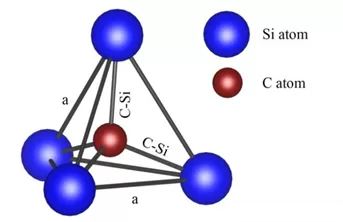
In modern power electronics, Silicon Carbide has become one of the most important wide-bandgap semiconductor materials. Compared with traditional Silicon, SiC offers superior properties such as higher breakdown electric field, better thermal conductivity, and the ability to operate at higher temperatures and voltages. Because of these advantages, SiC is widely used in power devices for […]
Advances in SiC Epitaxy: Toward Near-Defect-Free Silicon Carbide Power Devices
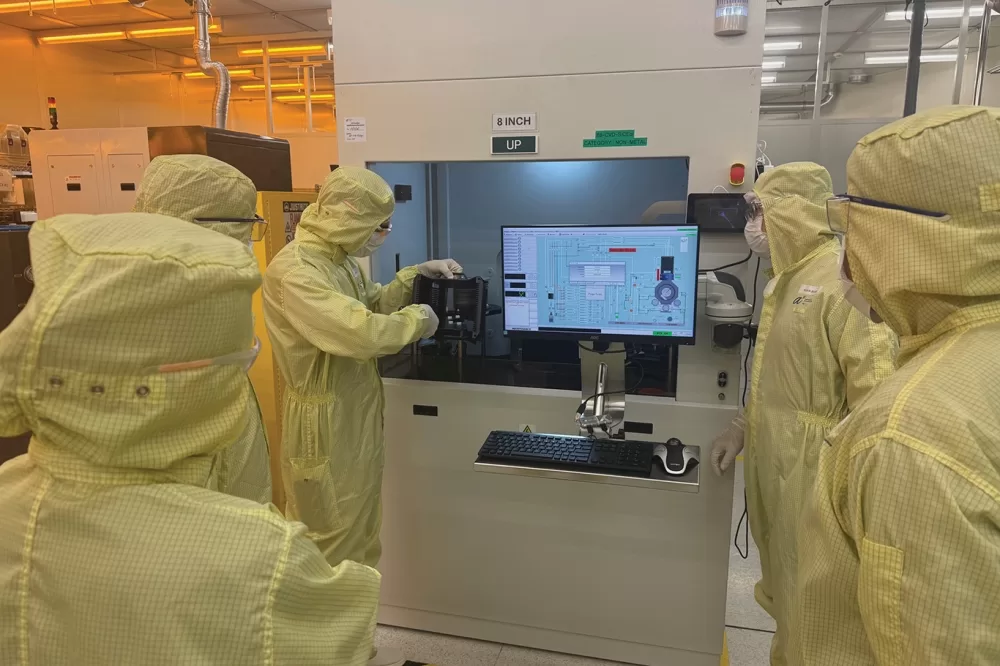
Silicon carbide (SiC) power devices are rapidly expanding their share of the global power electronics market. By surpassing the physical performance limits of conventional silicon devices, SiC enables higher efficiency, higher voltage operation, and improved thermal performance in applications such as electric vehicles, renewable energy systems, and industrial power conversion. Despite these advantages, the relatively […]
Innovations in 12-Inch SiC Wafers: Is the Market Ready for Mass Production?
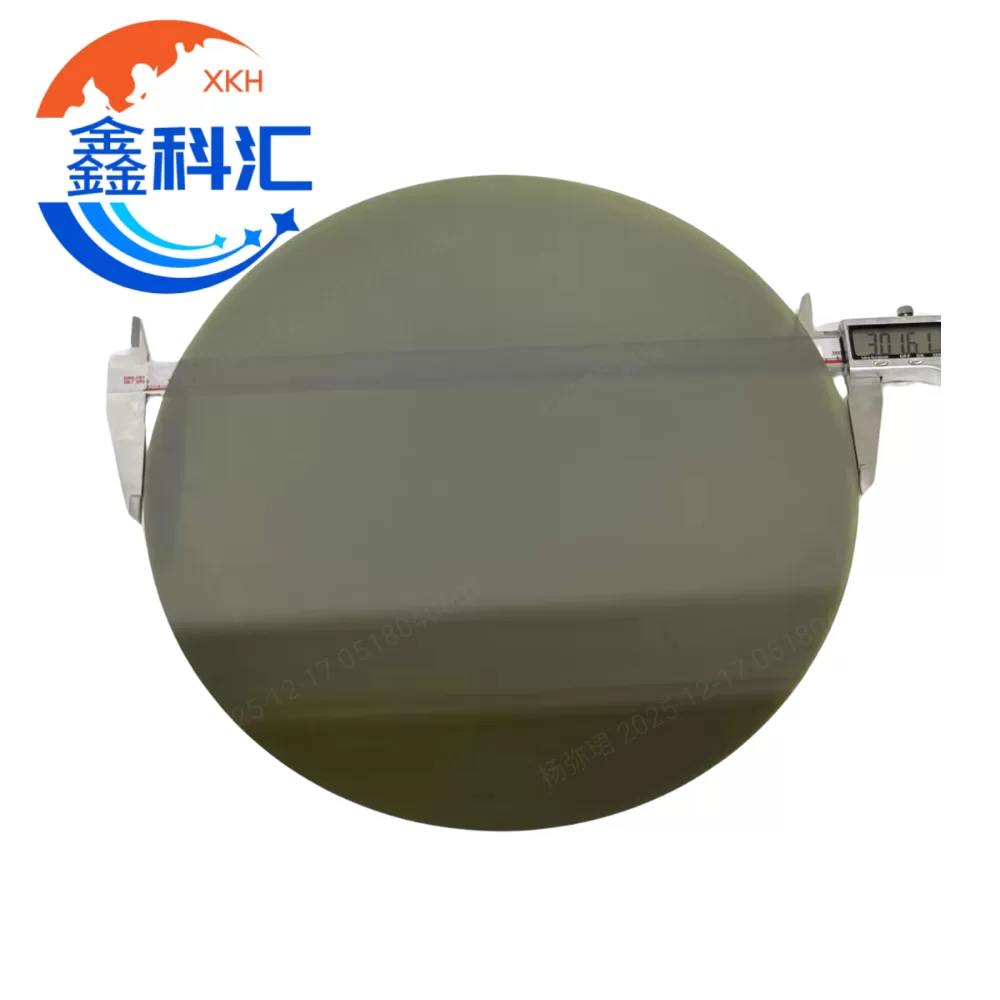
Silicon carbide (SiC) has emerged as a transformative material for power electronics, electric vehicles (EVs), renewable energy systems, and high-frequency applications. SiC offers significant advantages over traditional silicon, including higher breakdown voltage, faster switching speeds, and superior thermal conductivity. While SiC wafers have been commercially available for years in 4-inch, 6-inch, and more recently 8-inch […]
Thickness, Doping, and Defects: Cracking the Three Core Challenges of Silicon Carbide Epitaxy

Silicon carbide (SiC) has emerged as a superstar in the world of semiconductors. Renowned for its exceptional thermal conductivity, high breakdown voltage, and chemical stability, SiC powers everything from electric vehicles and renewable energy inverters to aerospace electronics. Yet, the journey from raw SiC wafers to high-performance devices is anything but simple. At the heart […]