
Silicon Carbide (SiC): Synthesis, Properties, Applications, and Manufacturing Processes of SiC Components
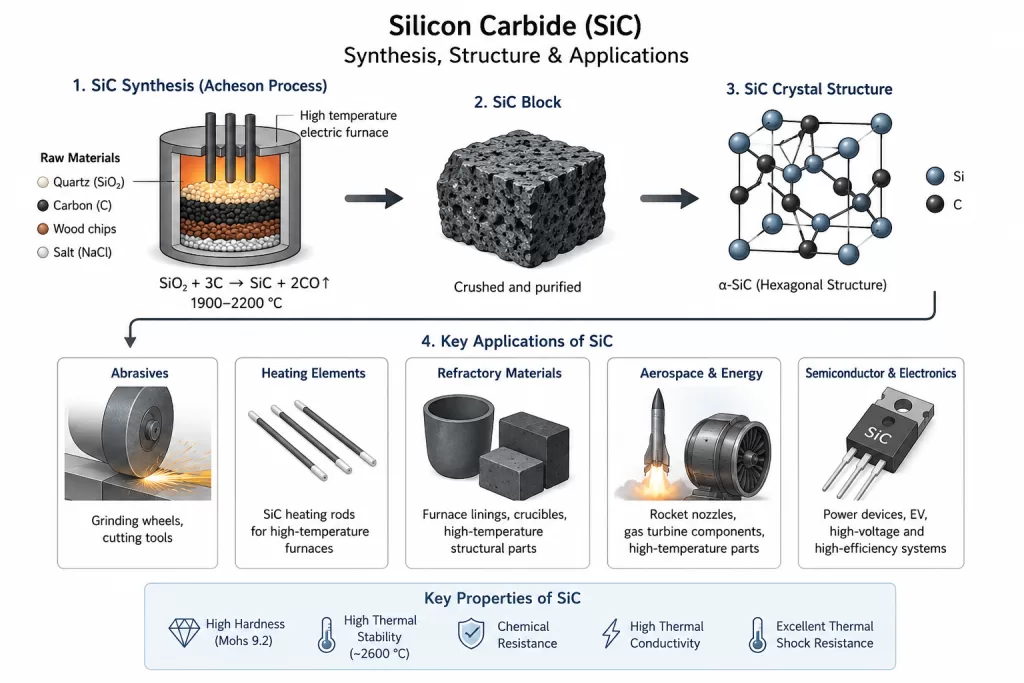
1. What Is Silicon Carbide (SiC)? Silicon carbide (SiC), also known as carborundum, is a high-performance non-metallic material composed of silicon (Si) and carbon (C). It is widely used in: SiC is considered a next-generation advanced material due to its exceptional thermal, mechanical, and electrical properties. 2. Industrial Synthesis of Silicon Carbide 2.1 Acheson Process […]
Silicon Carbide (SiC): Solving Critical Challenges in AR, Space Exploration, and Quantum Technologies Through Multi-Physics Performance
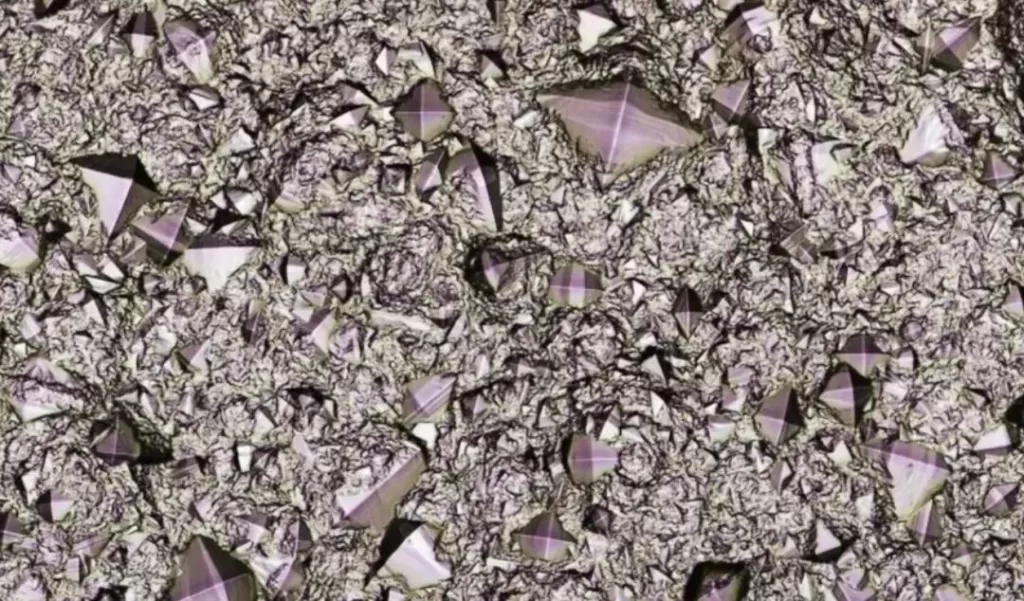
In the evolving landscape of advanced materials, few substances demonstrate the breadth of capabilities seen in silicon carbide (SiC). Often categorized as a third-generation semiconductor, SiC is widely recognized for its role in high-efficiency power electronics. However, limiting SiC to this single application underestimates its full potential. What makes SiC exceptional is its multi-domain performance […]
What Are the Carbon Face and Silicon Face of a Silicon Carbide Wafer?
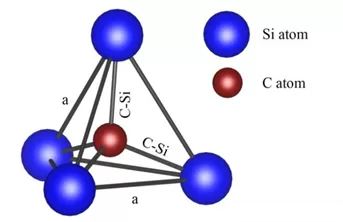
In modern power electronics, Silicon Carbide has become one of the most important wide-bandgap semiconductor materials. Compared with traditional Silicon, SiC offers superior properties such as higher breakdown electric field, better thermal conductivity, and the ability to operate at higher temperatures and voltages. Because of these advantages, SiC is widely used in power devices for […]