
In the fast-evolving world of semiconductors, silicon wafers are the foundation of almost all modern electronic devices—from smartphones and computers to medical devices and automotive systems. As the demand for high-quality wafers grows, the need to choose a reliable silicon wafer manufacturing company becomes critical. But what should buyers keep in mind when selecting a supplier? Let’s explore the key factors that should guide this important decision.
1. Material Quality and Specifications
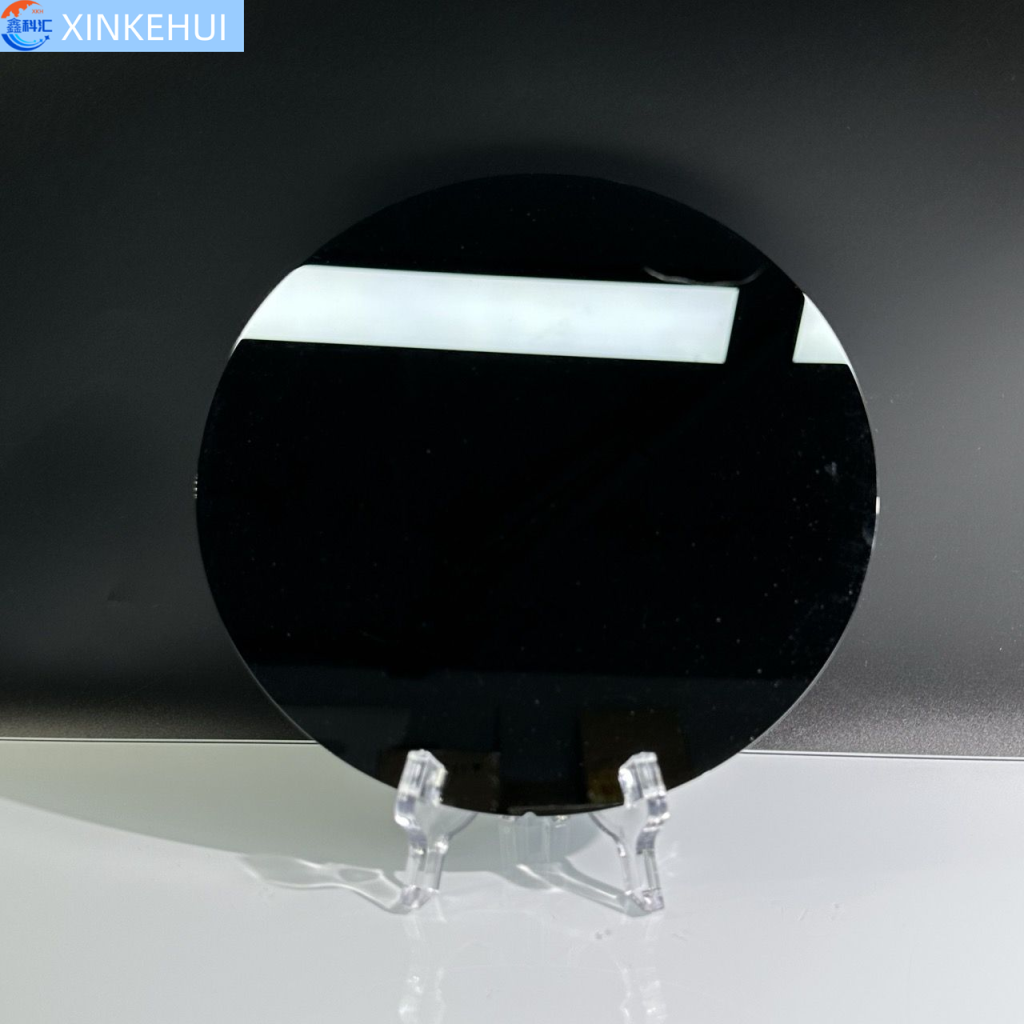
The first thing to consider when choosing a silicon wafer manufacturer is the quality of the materials they use. High-quality silicon wafers must meet strict standards of purity and consistency. Wafer quality directly affects the performance of semiconductors, which means that the material’s crystal structure, thickness, and uniformity are crucial.
Companies that provide detailed specifications, such as wafer resistivity, orientation, and surface roughness, are often more transparent and trustworthy. It is important to ensure the wafers meet the specific requirements of your application—whether you need high-purity single-crystal wafers for high-performance chips or lower-grade wafers for simpler applications.
2. Production Capacity and Lead Time
In the world of semiconductor manufacturing, time is often of the essence. As the demand for silicon wafers grows, it’s essential to partner with a company that has the capability to meet your production needs within a reasonable lead time. Some manufacturers might specialize in small batches with quick turnarounds, while others may focus on large-scale production with longer lead times.
Assess the production capacity of the manufacturer. Do they have the infrastructure and scalability to handle fluctuations in demand? Are they capable of accommodating your specific production schedules, or do they have a history of delayed shipments? A good supplier should have reliable delivery schedules that can be matched to your supply chain needs.
3. Technological Innovation and R&D Capabilities
The semiconductor industry is one of the most innovative fields in the world. Manufacturers who invest in research and development (R&D) tend to stay ahead of the curve when it comes to new technologies and process improvements. This can result in wafers with superior characteristics, such as higher performance, lower defect rates, and better yields.
It is important to choose a company that is continuously improving its production processes and exploring new wafer designs, such as SOI (Silicon on Insulator) wafers, which offer enhanced electrical properties for power electronics and other advanced applications. If a company is actively involved in R&D, they are likely to be more adaptable to emerging technologies.
4. Customization Capabilities
Not all silicon wafer applications are the same, and many require customization to meet specific needs. Some manufacturers specialize in creating custom wafers with tailored properties—whether that’s for particular thicknesses, dopant levels, or even specialized coatings or treatments.
Before choosing a supplier, ensure that the company offers customization options that align with your technical requirements. Whether it’s producing wafers for photovoltaic applications, microelectronics, or sensors, the ability to modify wafer characteristics can make a huge difference in the end product’s performance.
5. Certification and Quality Control
The semiconductor industry is highly regulated, with stringent quality standards that must be adhered to. When selecting a silicon wafer manufacturer, it’s important to verify that they comply with industry standards and certifications, such as ISO 9001 for quality management and ISO 14001 for environmental management.
Also, take into account the manufacturer’s in-house quality control processes. Wafer defects can be costly, leading to yield loss and expensive recalls. Manufacturers that use advanced inspection technologies, such as optical and electron microscopes, can ensure that their wafers meet the required specifications with minimal defects.
6. Customer Support and Collaboration
A good manufacturer is more than just a supplier; they should be a collaborative partner. Look for a company that offers strong customer support and a willingness to engage with you in the design and development process. If issues arise during production or if you need adjustments to your order, quick and efficient customer support is essential.
The best manufacturers will offer technical support, design assistance, and flexible ordering systems to ensure that your project progresses smoothly. This partnership approach can also provide valuable insights into optimizing wafer design and production processes.
7. Cost-Effectiveness and Competitive Pricing
Price is always a consideration, but it should never be the only factor. A cheaper wafer may not necessarily be the best value if it leads to lower performance or higher defect rates. However, cost-effectiveness is still an important factor, especially for large-volume production runs.
It’s important to balance quality and price. Consider not just the initial wafer cost but also the long-term value, including factors such as yield rates, operational efficiencies, and reduced time-to-market. A high-quality wafer with fewer defects will often be more cost-effective in the long run, as it will reduce scrap, rework, and maintenance costs.
8. Reputation and Experience
Finally, don’t overlook the importance of a manufacturer’s reputation and experience in the industry. A well-established company with a proven track record is more likely to be reliable and capable of meeting your needs. Look for companies that have worked with other large clients or have a history of supplying wafers for your specific industry.
Industry certifications, client testimonials, and case studies are all good indicators of a company’s reputation. A supplier with a history of delivering high-quality products and services is less likely to cut corners and more likely to maintain high standards.
สรุป
Choosing a silicon wafer manufacturing company is a critical decision that will impact the performance and reliability of your electronic products. By carefully evaluating factors like material quality, production capacity, technological innovation, customization options, and customer support, you can ensure that you are selecting a partner who can meet your technical requirements and contribute to the success of your project.
The semiconductor industry is competitive, and with so many manufacturers to choose from, making an informed choice is more important than ever. Take the time to assess each potential supplier thoroughly and select the one that aligns best with your goals and expectations.