
As wearable devices continue to evolve toward thinner, lighter, and more multifunctional designs, material engineering has become a key bottleneck in product innovation. The industry is no longer only focused on “durability” or “scratch resistance”, but is increasingly demanding a combination of:
- Ultra-lightweight structure
- High mechanical strength
- Excellent optical performance
- Long-term environmental stability
Within this context, sapphire (single-crystal aluminum oxide) is emerging as a strategic material for next-generation wearable protection systems.
This article explores how sapphire materials are being engineered and applied to achieve both lighter weight and stronger protection performance in future wearable devices.
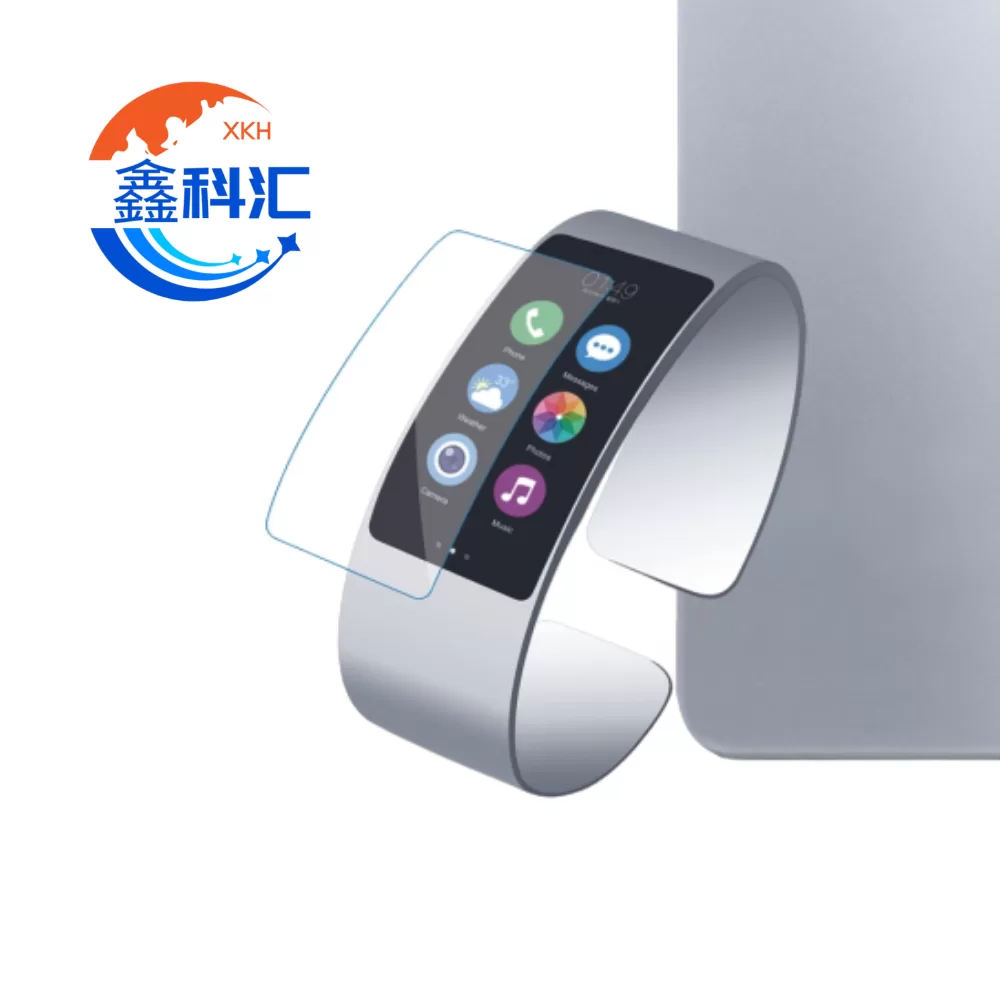
1. The Core Challenge: Balancing Weight and Protection
Wearable devices such as smartwatches, fitness bands, AR glasses, and medical sensors face a fundamental engineering conflict:
- Stronger protection materials tend to be heavier and harder to process
- Lighter materials often compromise durability and scratch resistance
ตัวอย่าง:
- Polycarbonate is lightweight but easily scratched
- Strengthened glass offers moderate protection but adds thickness
- Metals provide strength but block optical signals and increase weight
This creates a demand for materials that can deliver high performance without adding bulk.
2. Why Sapphire Is a Candidate for Next-Generation Wearables
Sapphire is a single-crystal form of aluminum oxide (Al₂O₃), widely known for:
- Extreme hardness (Mohs hardness 9)
- ความโปร่งใสทางแสงสูง
- Excellent chemical resistance
- Outstanding thermal stability
However, its role in wearable devices is evolving beyond simple “protective cover glass”.
The key innovation today is not just using sapphire—but engineering sapphire into thinner, lighter, and structurally optimized forms.
3. Lightweight Engineering: Thinner Sapphire, Higher Efficiency
3.1 Ultra-Thin Sapphire Wafer Technology
Modern processing technologies now enable sapphire components with:
- Thickness reduction down to sub-millimeter levels
- Precision polishing for optical-grade surfaces
- Controlled internal stress distribution
By reducing thickness while maintaining crystal integrity, sapphire components can significantly reduce overall device weight.
3.2 Structural Optimization Instead of Bulk Material
Instead of using thick sapphire plates, manufacturers are moving toward:
- Edge-reinforced sapphire covers
- Localized reinforcement zones
- Hybrid structures (sapphire + polymer or adhesive layers)
This approach allows designers to use less material without sacrificing protection performance.
4. Strength Enhancement: Why Thin Does Not Mean Weak
A common misconception is that thinner materials are weaker. Sapphire breaks this assumption due to its intrinsic crystal structure.
Key mechanical advantages:
- Extremely high surface hardness reduces scratch initiation points
- Uniform crystal lattice improves stress distribution
- High compressive strength prevents surface deformation
Even in thinner forms, sapphire maintains:
- High resistance to micro-abrasion
- Stable surface integrity under long-term use
- Strong resistance to environmental wear
5. Optical Functionality: Supporting Smart Sensors in Slim Devices
Future wearable devices rely heavily on optical systems, including:
- Heart rate monitoring
- Blood oxygen sensing (SpO₂)
- Skin temperature tracking
- Biometric recognition
To support thinner device designs, cover materials must:
- Maintain high optical transmission
- Minimize signal distortion
- Ensure stable refractive behavior
Sapphire meets these requirements while enabling ultra-thin optical windows that do not compromise sensor accuracy.
6. Material Comparison: Lightweight + Protection Balance
| วัสดุ | Weight Efficiency | ความต้านทานต่อการขีดข่วน | Optical Performance | Structural Strength |
|---|---|---|---|---|
| แซฟไฟร์ | Medium-High (thin design optimized) | ยอดเยี่ยม | ยอดเยี่ยม | สูง |
| Strengthened Glass | ระดับกลาง | ปานกลาง | สูง | ระดับกลาง |
| Polycarbonate | สูง | ต่ำ | ระดับกลาง | ต่ำ |
| Metal Alloys | Low (heavy) | สูง | แย่ | สูงมาก |
👉 Key Insight:
Sapphire achieves a rare balance of optical clarity + mechanical durability + thin structure compatibility.
7. Application Scenarios in Next-Generation Wearables
7.1 Smartwatches
- Ultra-thin sapphire cover glass
- Scratch-resistant display protection
- Premium visual finish with reduced thickness
7.2 AR/VR Wearable Devices
- Optical waveguide protection windows
- Transparent sensor interfaces
- Lightweight structural optical layers
7.3 Medical Wearables
- Biocompatible sensor windows
- Stable optical transmission for continuous monitoring
- Long-term wear durability
7.4 Industrial and Sports Wearables
- High-impact resistance in compact designs
- Dust and scratch protection in extreme environments
8. Manufacturing Innovation Driving Lightweight Sapphire
The transition toward lightweight sapphire is enabled by several key manufacturing advances:
8.1 Precision Cutting Technology
- Laser-assisted dicing
- Ultra-precision slicing of crystal ingots
8.2 Advanced Polishing Processes
- Nano-level surface finishing
- Reduced optical scattering
8.3 Stress Control Engineering
- Controlled thermal treatment
- Minimization of internal micro-cracks
8.4 Bonding & Composite Integration
- Sapphire-polymer hybrid structures
- Multi-layer optical stacking systems
These technologies collectively allow sapphire to move from bulk protective material → engineered functional layer.
9. Future Trend: From Protection to Functional Integration
The next stage of sapphire evolution in wearables is not just “better protection”, but:
Functional integration into device architecture
Future applications may include:
- Integrated optical sensor platforms
- Structural display layers
- Embedded biometric detection windows
- Multi-functional transparent load-bearing components
This represents a shift from passive protection to active system participation.
สรุป
Sapphire materials are redefining the balance between weight and protection in wearable devices. Through advances in ultra-thin processing, structural optimization, and optical engineering, sapphire is no longer simply a premium cover material—it is becoming a core enabling material for next-generation wearable design.
As wearable devices continue to move toward thinner profiles and higher functional density, sapphire will play an increasingly important role in delivering:
- Lighter device architectures
- Stronger surface protection
- Higher optical performance
- Longer product lifecycle