
The global shift toward electrification, renewable energy, and high-efficiency power electronics has brought silicon carbide (SiC) wafers into the spotlight. While SiC crystal growth and wafer slicing often receive the most attention, one manufacturing stage quietly determines the final device performance: wafer polishing.
SiC wafer polishing is no longer a simple surface finishing step. It has become one of the most critical value-added processes in the entire SiC supply chain. As demand for SiC devices accelerates in electric vehicles, industrial converters, solar inverters, and data centers, the SiC wafer polishing market is undergoing rapid growth and technological transformation.
1. Why Polishing Matters for SiC Wafers
Unlike silicon, SiC is extremely hard, chemically stable, and difficult to process. Slicing and grinding can leave behind micro-cracks, subsurface damage, scratches, and crystal defects. These imperfections directly impact:
- betrouwbaarheid van het apparaat
- surface leakage
- gate oxide integrity
- wafer yield
- breakdown voltage performance
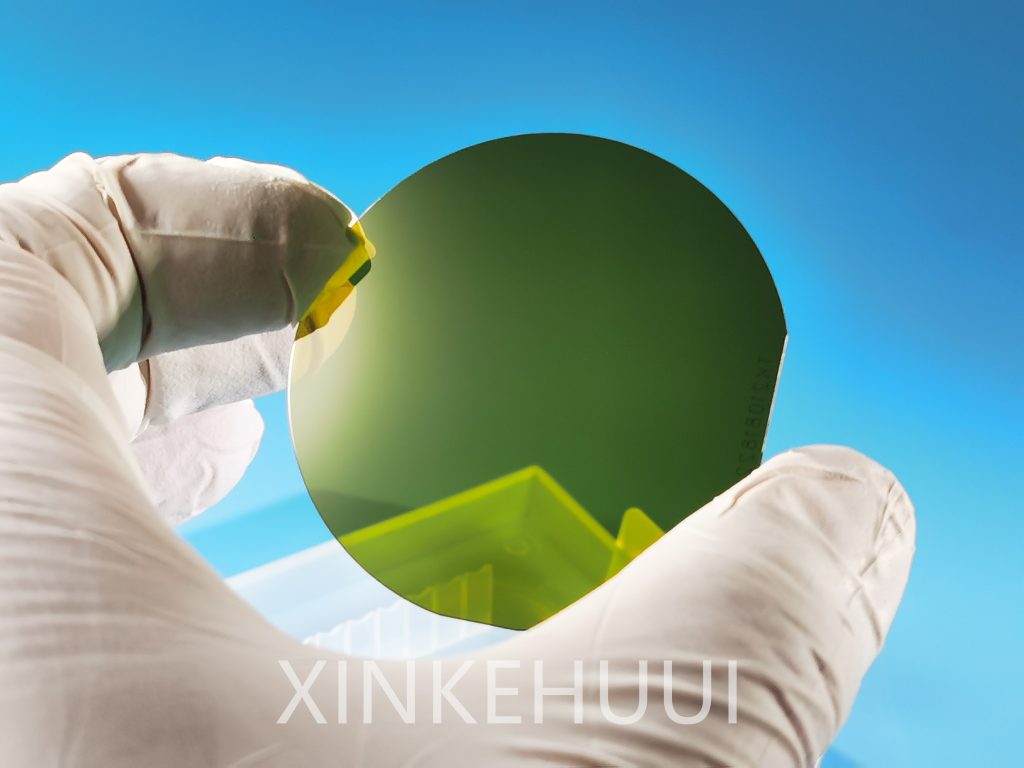
High-quality CMP (chemical mechanical polishing) and double-side polishing are essential to create a defect-free, ultra-flat wafer surface suitable for advanced MOSFETs, SBDs, and power module chips.
As SiC devices push toward higher voltages and smaller cell structures, polishing quality becomes a decisive factor in device competitiveness.
2. Market Growth Drivers
Several major trends are fueling the expansion of the SiC wafer polishing market.
Elektrische voertuigen
The rapid adoption of SiC MOSFETs in traction inverters, onboard chargers, and fast-charging systems has dramatically increased wafer demand. Automakers and Tier-1 suppliers are pushing for low-defect wafers with high surface uniformity, which intensifies the need for advanced polishing technologies.
Renewable Energy and Grid Modernization
Solar inverters, wind turbine converters, and energy-storage systems rely on high-efficiency power electronics, where SiC delivers better switching characteristics and lower losses. These industries require wafers with minimal surface defects to ensure stability under harsh operating conditions.
Expansion of 6-Inch and 8-Inch SiC Wafers
As wafer sizes increase, polishing difficulty rises significantly. Larger wafers need:
- better flatness
- tighter thickness variation
- superior sub-surface damage control
This drives investment in next-generation CMP equipment and consumables.
Global Supply Chain Diversification
More countries and regions are building local SiC manufacturing capacity. This decentralization is increasing the demand for polishing services, tools, slurries, and automation solutions.
3. Key Technologies Transforming the Polishing Process
The SiC wafer polishing market is becoming a high-tech field in its own right. Some emerging innovations include:
Advanced CMP Slurries
New chemical formulations are engineered to achieve faster removal rates while maintaining low defectivity. Abrasives such as colloidal silica and diamond nanoparticles are optimized for SiC hardness.
Low-Damage Grinding and Pre-Polish Techniques
These reduce subsurface damage before final polishing, increasing yield and lowering total polishing cost.
Double-Side Polishing (DSP)
DSP ensures superior flatness and parallelism, especially crucial for 150 mm and 200 mm wafers.
Precision Metrology and In-Line Inspection
Optical interferometry, laser-based flatness measurement, and defect inspection systems help polishers maintain tight quality control.
Automation and Smart Manufacturing
As demand scales, high-volume automated polishing lines are replacing manual processes to improve consistency and reduce human-induced variation.
4. Market Challenges
Despite strong growth, the SiC wafer polishing industry faces several hurdles.
Material Hardness
SiC is extremely hard, producing higher tool wear and requiring specialized abrasives.
Cost Pressure
Polishing is one of the most expensive steps in SiC wafer production. Manufacturers must balance quality with throughput.
Defectdichtheid
Even small polishing defects can cause device failure. This pushes polishing vendors to innovate and maintain strict quality assurance.
Capacity Bottlenecks
While SiC growth and slicing capacity are expanding rapidly, polishing capacity often lags behind, becoming a supply chain bottleneck.
5. Future Outlook
The SiC wafer polishing market is positioned for strong long-term growth as industries move toward electrification and high-efficiency systems. In the coming years, expectations include:
- wider adoption of 200 mm SiC wafers
- smarter CMP systems with AI-driven process optimization
- new slurry chemistries tailored for faster removal and lower defects
- greater integration of polishing into vertically integrated SiC ecosystems
With SiC device demand forecast to surge over the next decade, wafer polishing will remain a critical link that directly influences device performance, reliability, and manufacturing cost.
Conclusie
SiC wafer polishing is no longer just a finishing step but a strategic part of the SiC semiconductor ecosystem. As industries demand higher power efficiency and better thermal performance, polishing quality becomes central to enabling advanced SiC power devices. With continuous innovation in CMP equipment, slurries, and automation, the SiC wafer polishing market will play a defining role in the next generation of power electronics.