
As EV Growth Moderates, Silicon Carbide Finds a New Buyer: AI Data Centers Are Stepping In
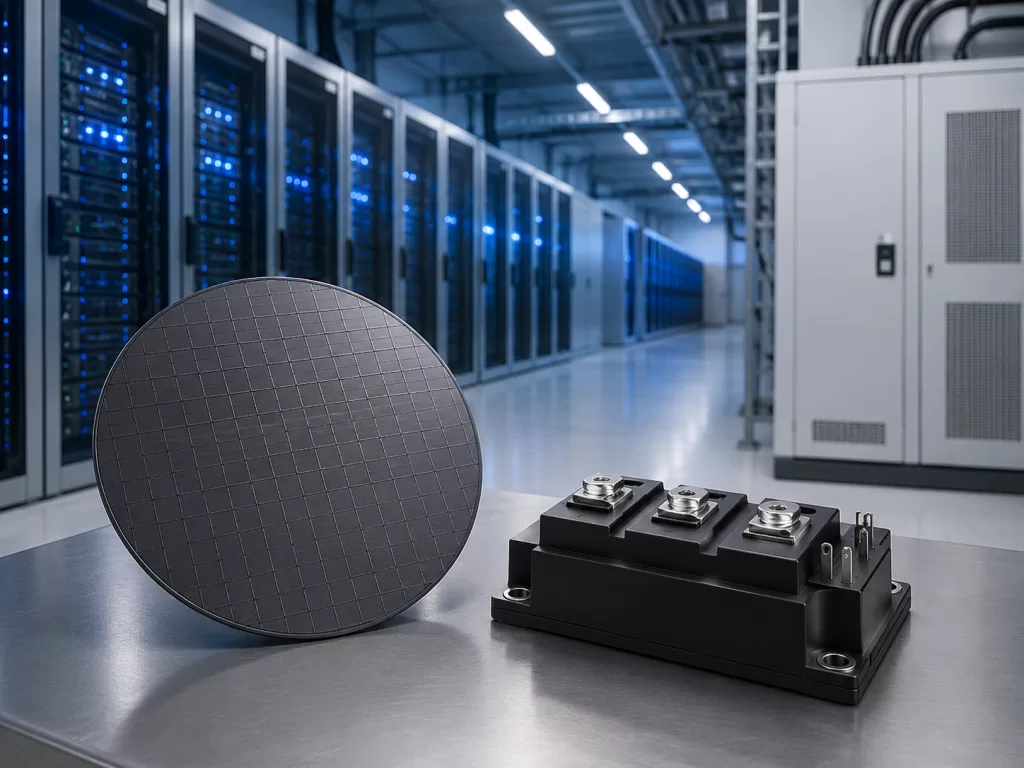
For years, the silicon carbide industry has been closely associated with electric vehicles. Ask where SiC power devices are used, and the first answers are usually familiar: traction inverters, onboard chargers, DC fast chargers and high-voltage EV platforms. That connection remains important. Global electric car sales exceeded 20 million units in 2025, representing about one-quarter […]
Silicon Carbide Beyond Electric Vehicles: AI, Energy Storage, and the Power Grid Are Opening Three New Markets
For much of the past decade, the silicon carbide industry has been discussed primarily through one application: electric vehicles. That association makes sense. SiC MOSFETs and diodes have become important components in high-voltage traction inverters, onboard chargers, and fast-charging systems because silicon carbide can reduce power losses while supporting higher operating voltages and switching frequencies. […]
Silicon Carbide (SiC): Solving Critical Challenges in AR, Space Exploration, and Quantum Technologies Through Multi-Physics Performance

In the evolving landscape of advanced materials, few substances demonstrate the breadth of capabilities seen in silicon carbide (SiC). Often categorized as a third-generation semiconductor, SiC is widely recognized for its role in high-efficiency power electronics. However, limiting SiC to this single application underestimates its full potential. What makes SiC exceptional is its multi-domain performance […]
How Silicon Carbide is Revolutionizing the Efficiency of DC Fast Charging Stations
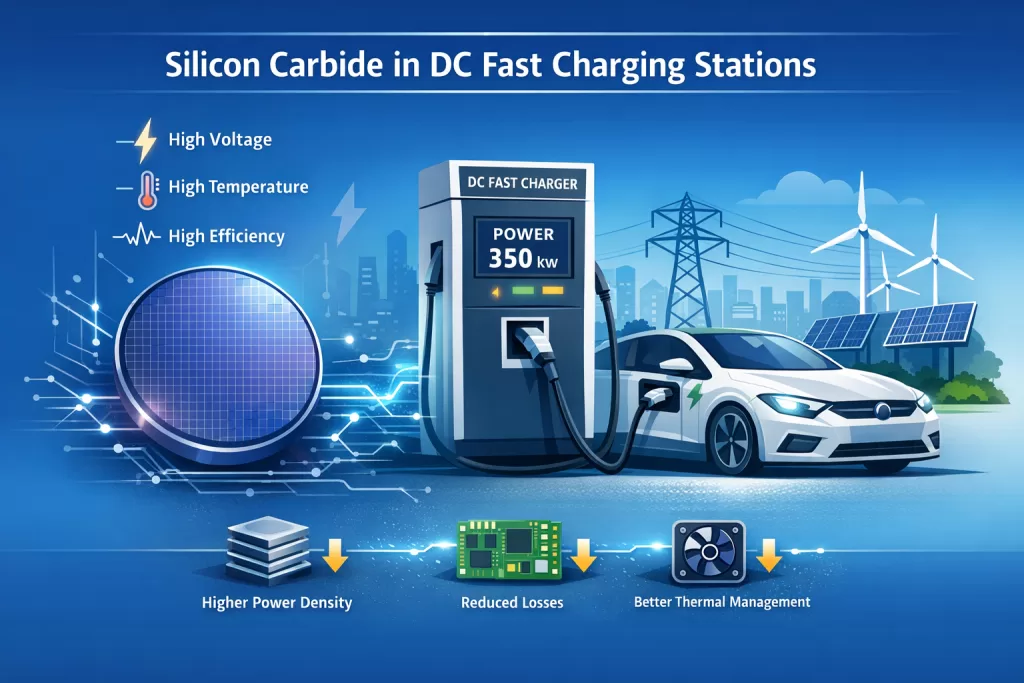
1. Introduction The rapid adoption of electric vehicles (EVs) has intensified the demand for high-power, high-efficiency charging infrastructure. Among various charging technologies, direct current (DC) fast charging stations play a pivotal role by significantly reducing charging time and improving user convenience. However, these systems must handle high voltages, large currents, and substantial thermal loads, all […]
What Are the Carbon Face and Silicon Face of a Silicon Carbide Wafer?
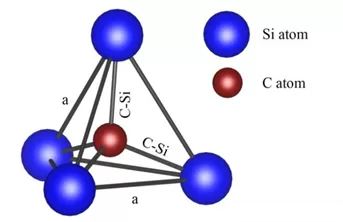
In modern power electronics, Silicon Carbide has become one of the most important wide-bandgap semiconductor materials. Compared with traditional Silicon, SiC offers superior properties such as higher breakdown electric field, better thermal conductivity, and the ability to operate at higher temperatures and voltages. Because of these advantages, SiC is widely used in power devices for […]
Advances in SiC Epitaxy: Toward Near-Defect-Free Silicon Carbide Power Devices
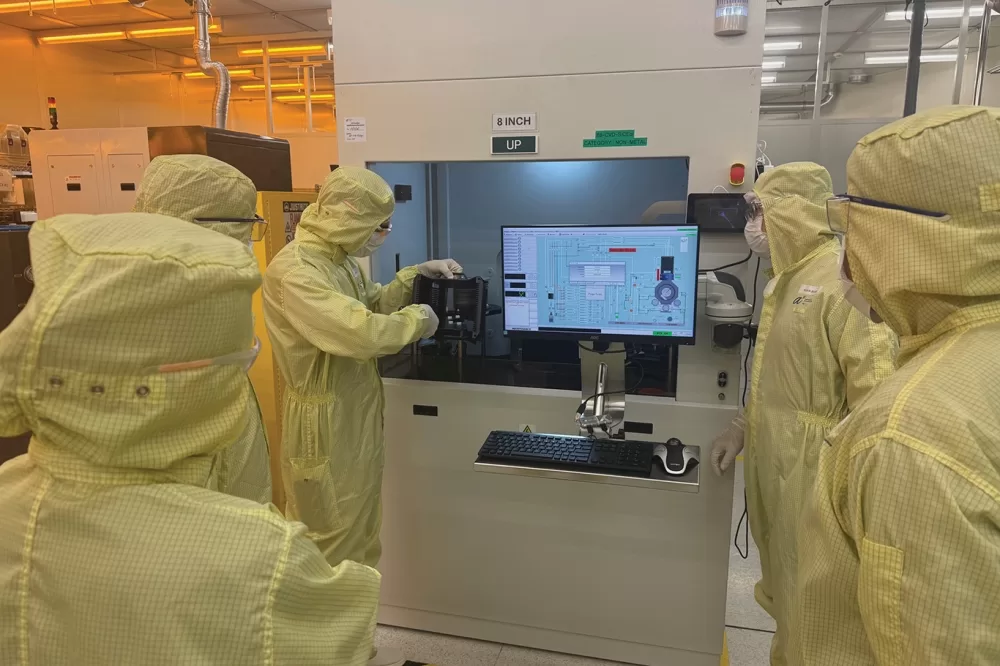
Silicon carbide (SiC) power devices are rapidly expanding their share of the global power electronics market. By surpassing the physical performance limits of conventional silicon devices, SiC enables higher efficiency, higher voltage operation, and improved thermal performance in applications such as electric vehicles, renewable energy systems, and industrial power conversion. Despite these advantages, the relatively […]
China SiC Wafer Supplier Guide: Quality Control and Lead Time Advantage
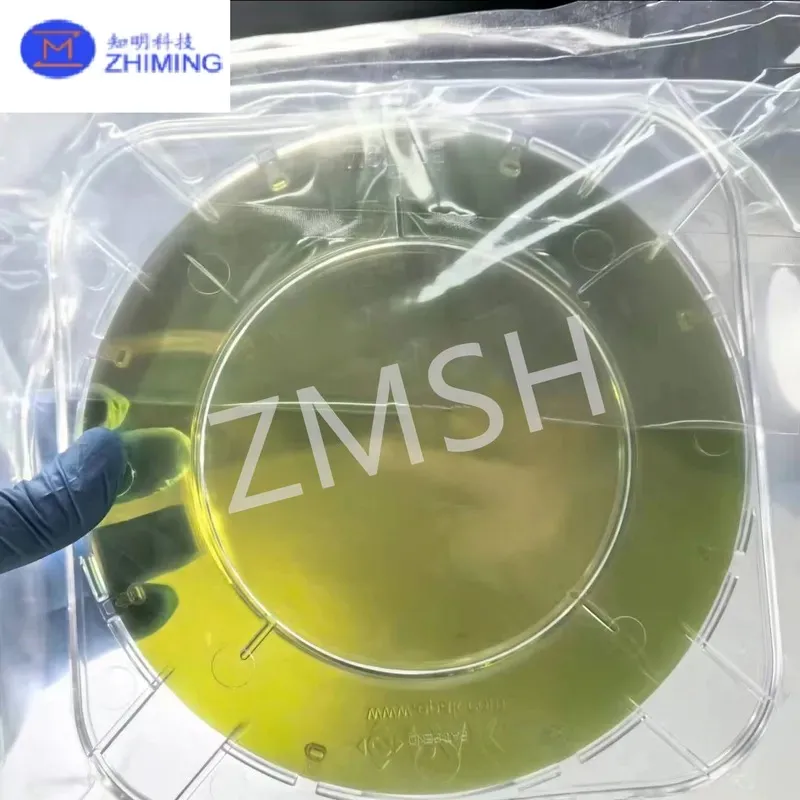
Silicon carbide (SiC) wafers have become a cornerstone material in power electronics, automotive, and high-frequency applications due to their superior breakdown electric field, thermal conductivity, and high-temperature performance. For OEMs and Tier-1 suppliers, choosing the right China-based SiC wafer supplier involves more than cost — quality assurance and reliable lead times are critical competitive factors. […]
Why SiC Dominates High-Voltage Applications?
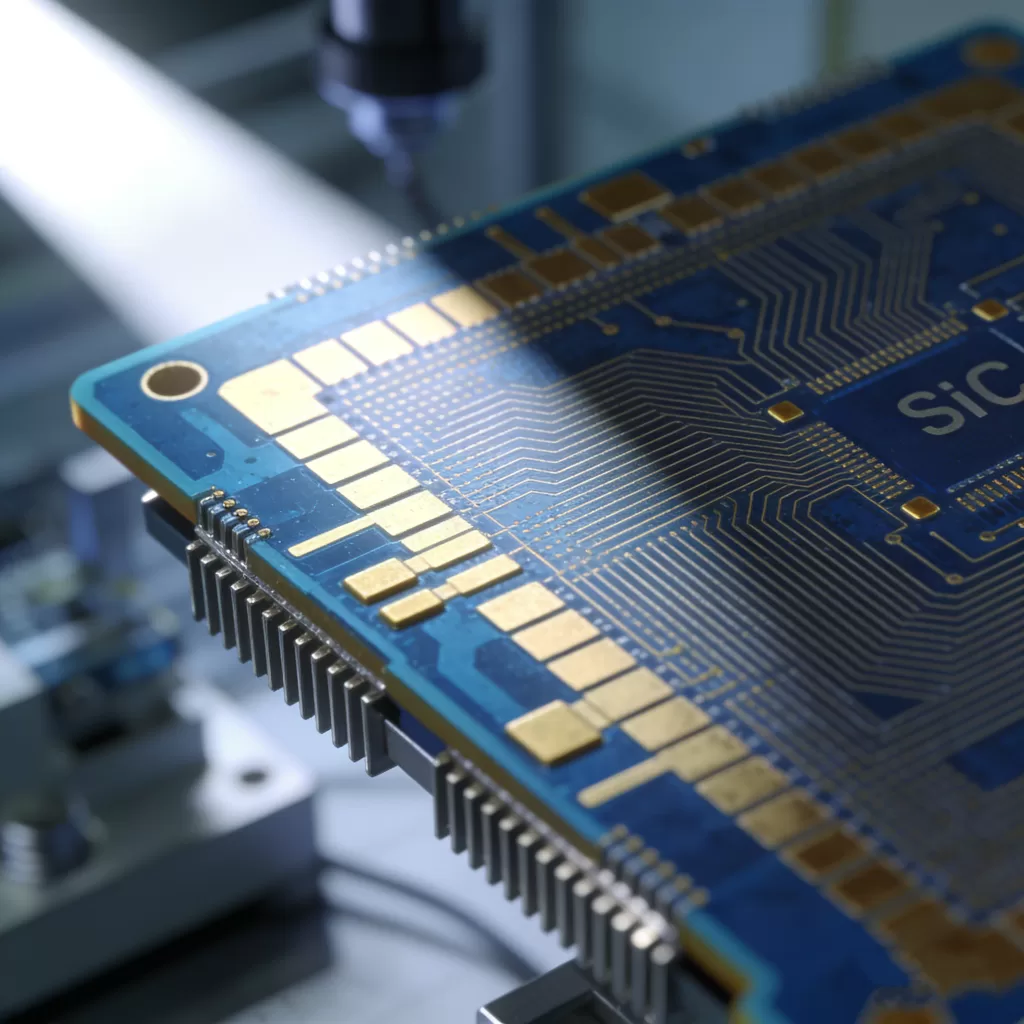
Silicon carbide (SiC) has emerged as a cornerstone material for high-voltage and high-power electronic applications. Over the past two decades, SiC has transitioned from a laboratory curiosity to a commercially mature semiconductor platform that is now widely adopted in power electronics, electric vehicles, renewable energy systems, and industrial power conversion. This dominance is not incidental; […]