
Custom SiC Wafer Solutions: From Sizes to Doping
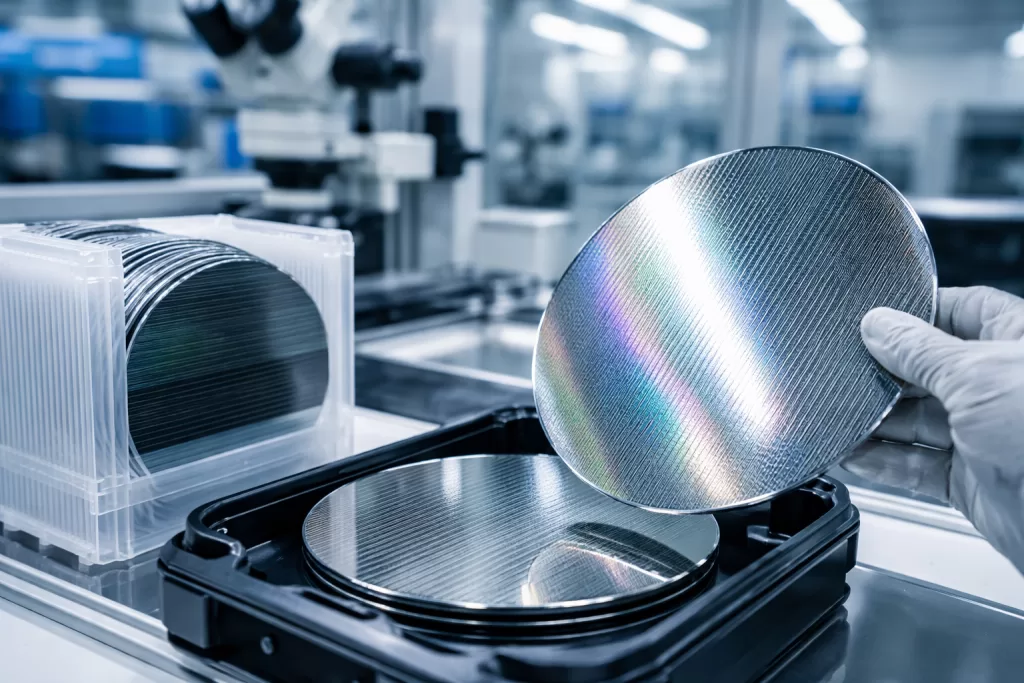
SiC wafer have become a foundational material in modern power electronics and high-frequency devices, driven by their superior physical and electrical properties. Compared with conventional silicon, SiC exhibits a wide bandgap (~3.26 eV for 4H-SiC), high thermal conductivity, and a strong critical electric field, enabling devices to operate efficiently under high voltage, high temperature, and […]
What Are the Carbon Face and Silicon Face of a Silicon Carbide Wafer?
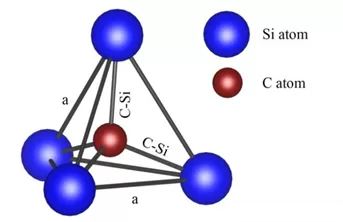
In modern power electronics, Silicon Carbide has become one of the most important wide-bandgap semiconductor materials. Compared with traditional Silicon, SiC offers superior properties such as higher breakdown electric field, better thermal conductivity, and the ability to operate at higher temperatures and voltages. Because of these advantages, SiC is widely used in power devices for […]
300mm vs. 200mm SiC Wafer Cost Analysis: At What Production Volume is the 12-Inch Transition Profitable?
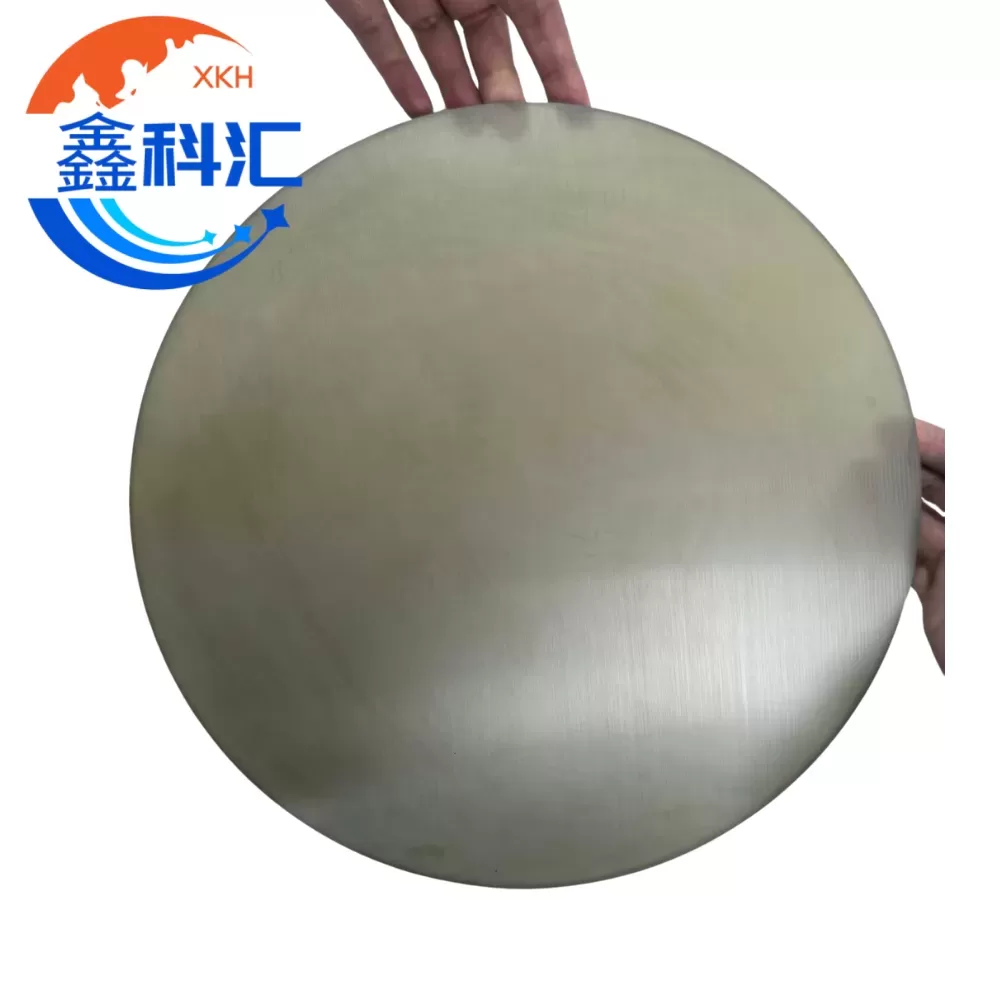
Silicon carbide (SiC) wafers have become a critical material for high-power electronics, electric vehicles, and advanced semiconductor devices. As the demand for higher efficiency, smaller form-factor devices grows, semiconductor manufacturers face a strategic decision: whether to transition from conventional 200mm (8-inch) SiC wafers to 300mm (12-inch) wafers. While larger wafers promise cost savings per device, […]
Advances in SiC Epitaxy: Toward Near-Defect-Free Silicon Carbide Power Devices
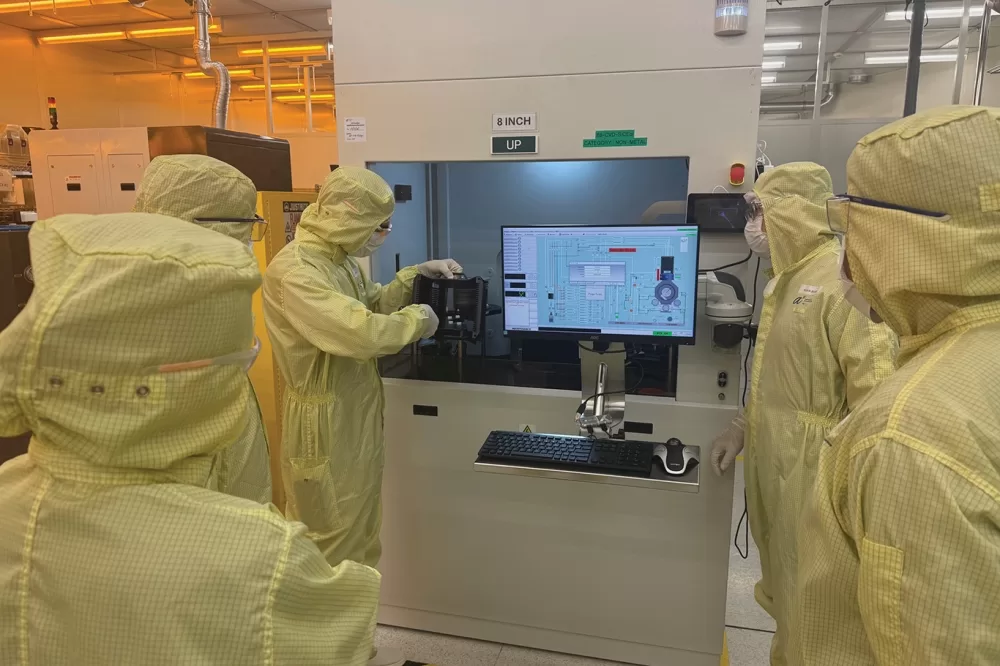
Silicon carbide (SiC) power devices are rapidly expanding their share of the global power electronics market. By surpassing the physical performance limits of conventional silicon devices, SiC enables higher efficiency, higher voltage operation, and improved thermal performance in applications such as electric vehicles, renewable energy systems, and industrial power conversion. Despite these advantages, the relatively […]
Custom SiC Parts and Wafer Processing: What Procurement Managers Need to Know

Silicon carbide (SiC) has rapidly transitioned from a niche wide-bandgap material to a strategic foundation for next-generation power electronics. As adoption accelerates in electric vehicles, renewable energy systems, industrial drives, and data centers, procurement managers are increasingly involved in sourcing custom SiC parts and wafers, rather than standardized catalog components. Unlike silicon, SiC procurement requires […]
SiC Substrate Reliability Assessment: Which Metrics Truly Matter?

Silicon carbide (SiC) substrates have emerged as a foundational material for next-generation power electronics due to their superior thermal conductivity, high breakdown field, and excellent chemical stability. However, the performance and reliability of SiC-based devices depend critically on the quality of the underlying substrate. While many specifications are commonly reported by suppliers—such as defect density, […]
How SiC Wafer Surface Quality Impacts Device Lifetime
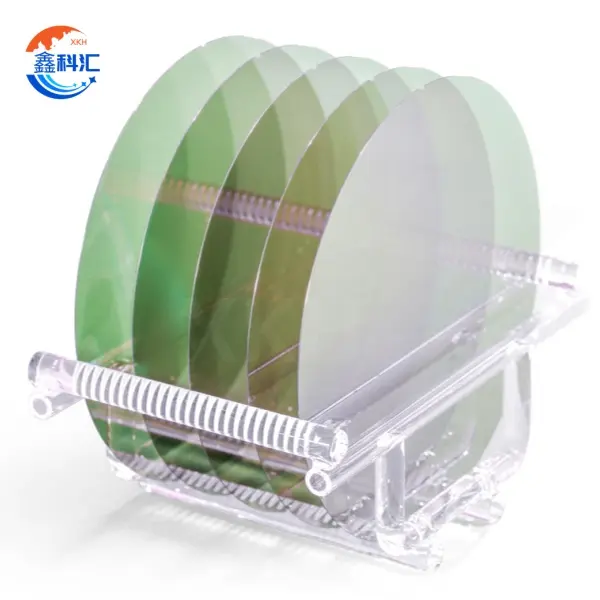
Silicon carbide (SiC) wafers have become a foundational material for high-power, high-frequency, and high-temperature electronics, particularly in electric vehicles, renewable energy systems, fast chargers, and industrial power converters. While much attention is often placed on SiC’s intrinsic material advantages—such as wide bandgap, high thermal conductivity, and high breakdown field—the surface quality of the SiC wafer […]
What to Look for in a SiC Wafer Technical Datasheet: A Modern Guide for Engineers and Researchers

Silicon carbide (SiC) has emerged as a cornerstone material in high-power electronics, high-frequency devices, and harsh-environment applications. Its superior thermal conductivity, high breakdown voltage, and chemical robustness make it indispensable in modern semiconductor technologies. However, leveraging SiC’s full potential begins long before fabrication—it starts with the wafer. Understanding a SiC wafer technical datasheet is therefore […]