
Sapphire wafers are one of the most advanced materials used in modern technology, playing an essential role across a wide range of industries—from consumer electronics to aerospace. This remarkable material, with its stunning hardness and unique properties, has become a key component in a variety of devices, from smartphones to lasers, and even in scientific research. But what exactly makes sapphire wafers so special, and how do they fit into the technologies we use every day? Let’s take a deeper look.
What is a Sapphire Wafer?
A sapphire wafer is a thin, flat disk made from single-crystal sapphire (aluminum oxide, or Al₂O₃) that has been carefully sliced from a larger sapphire boule. Sapphire, known for its incredible hardness (9 on the Mohs scale), is one of the toughest materials on Earth, second only to diamond. These wafers are produced with extreme precision and are often used as substrates in various high-performance applications.
But what makes sapphire wafers so remarkable is not just their strength, but also their unique combination of transparency, thermal stability, and electrical insulation properties. These traits enable sapphire wafers to perform in environments where other materials might fail.
Key Applications of Sapphire Wafers
- LEDs and Optoelectronics
Perhaps the most well-known application of sapphire wafers is in the production of LEDs (light-emitting diodes). Sapphire serves as the substrate for gallium nitride (GaN) LEDs. These LEDs are used in everything from TV screens to street lighting, and their efficiency and brightness depend heavily on the quality of the sapphire wafer used. The transparency of sapphire allows for excellent light extraction, and its thermal properties help dissipate heat effectively, which is critical in the performance of high-power LEDs. As the demand for energy-efficient lighting and displays grows, sapphire wafers will continue to be indispensable in the world of optoelectronics. - Smartphone Screens
One of the most visible uses of sapphire wafers is in the production of durable smartphone screens. While sapphire is too expensive to be used for entire phone screens at this point, it is increasingly being used for key components such as camera lenses, fingerprint sensors, and even watch faces. The scratch-resistant quality of sapphire ensures that these parts remain clear and undamaged, even after heavy use. While companies have explored using sapphire for full displays, the cost and manufacturing complexity have kept it limited to smaller components. Nonetheless, the use of sapphire in smartphones represents just a glimpse into how it might revolutionize other consumer electronics in the future. - Aerospace and Military Applications
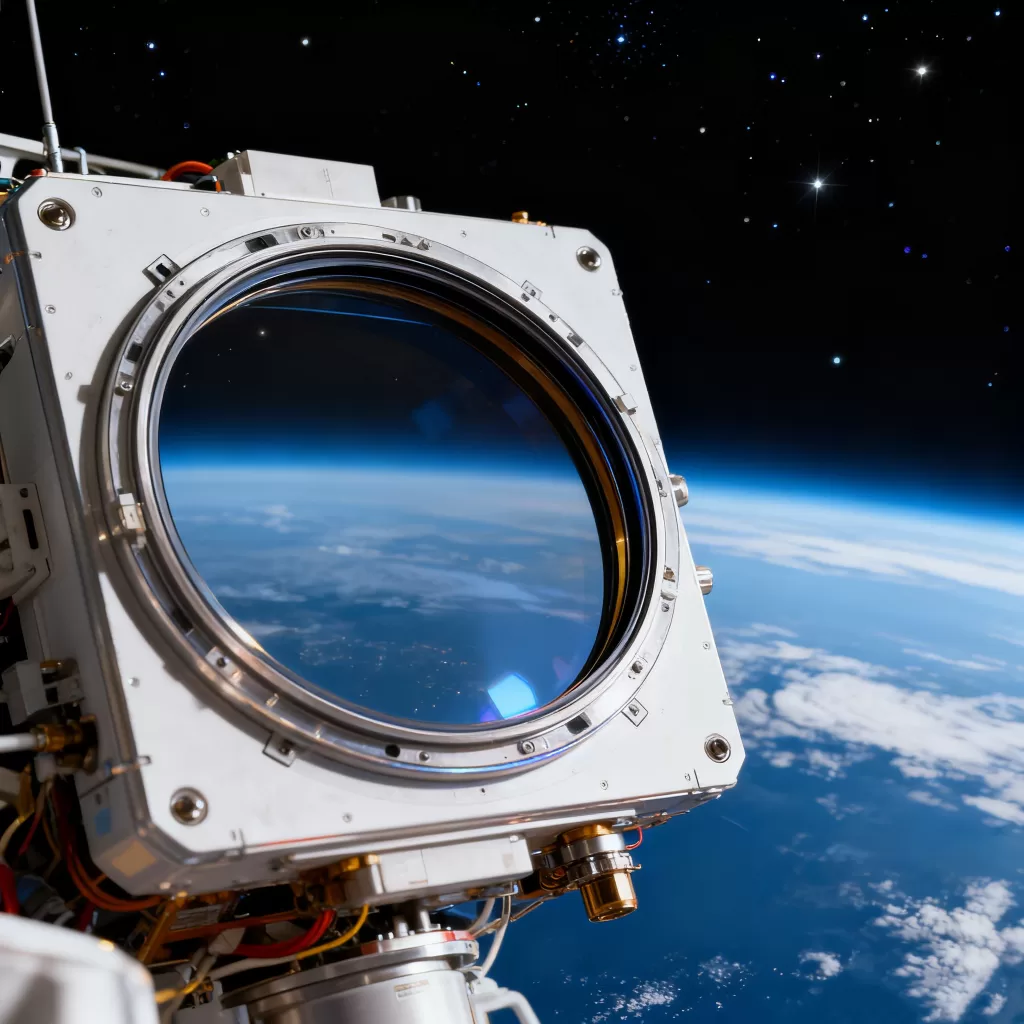
The aerospace industry relies heavily on the unique properties of sapphire wafers for a variety of applications. Sapphire’s ability to withstand high temperatures and pressure makes it perfect for critical components in spacecraft, satellites, and high-performance radar systems. Sapphire is also used in the production of durable windows for military and aviation purposes. These sapphire windows are highly resistant to scratches and impacts, making them ideal for use in harsh environments where traditional glass would fail. For instance, sapphire is sometimes used for infrared optical windows in high-tech surveillance equipment. - High-Temperature and High-Pressure Applications
Sapphire’s excellent thermal stability makes it invaluable in industries that require materials capable of withstanding extreme conditions. In the semiconductor industry, sapphire wafers are used as substrates for devices that operate at high temperatures. Their ability to retain their properties at elevated temperatures makes them suitable for applications in engines, power plants, and even scientific research where high thermal conductivity is required. - Vetenskaplig forskning
Sapphire wafers are also used in a variety of scientific applications, especially in the realm of quantum research and high-energy physics. Their transparency to ultraviolet (UV) and infrared light makes them useful in optical devices such as spectrometers and high-energy lasers. Researchers also use sapphire wafers in atomic force microscopes (AFMs), where the material’s strength and smoothness are essential for obtaining accurate measurements.
Why Sapphire Wafers?
So, why does sapphire stand out among other materials? There are several reasons why sapphire wafers are so sought after in these advanced applications:
- Hållbarhet: Sapphire’s hardness makes it highly resistant to scratches and damage, ensuring longevity and high performance in demanding environments.
- Transparency: Sapphire is transparent across a wide range of the electromagnetic spectrum, from UV to infrared. This makes it ideal for optical applications.
- Termisk stabilitet: Sapphire maintains its strength and shape even under extreme heat, making it suitable for high-temperature applications like power electronics and spacecraft components.
- Electrical Insulation: Sapphire is an excellent insulator, meaning it can be used in electronic devices that require isolation of electrical components.
Challenges and Future Trends
While sapphire wafers are versatile, they are not without their challenges. One of the main obstacles to their wider use is the high cost of production. Sapphire is difficult and expensive to manufacture, especially in large sizes or complex shapes. However, as technology advances and manufacturing processes improve, the cost of sapphire wafers is expected to decrease, opening the door for even more applications.
The demand for sapphire wafers is also expected to grow in the coming years, driven by the rise of new technologies such as 5G, electric vehicles, and advances in optical communications. As these industries continue to evolve, the role of sapphire in their development will only become more critical.
Slutsats
Sapphire wafers are an unsung hero in the world of technology. Their unique combination of hardness, transparency, and thermal stability allows them to serve in a wide range of applications, from the most everyday devices like smartphones to cutting-edge aerospace technologies. As industries continue to push the boundaries of what’s possible, sapphire wafers will undoubtedly continue to play an integral role in the advancement of modern science and technology.
Whether you’re using your smartphone, driving an electric car, or marveling at the precision of space exploration, chances are sapphire wafers are helping make those technologies work better and last longer. The future of sapphire wafers is bright, and we’re only scratching the surface of their full potential.