
Why Silicon Carbide Substrates Have Become a “Must-Have Material” for New Energy and 5G
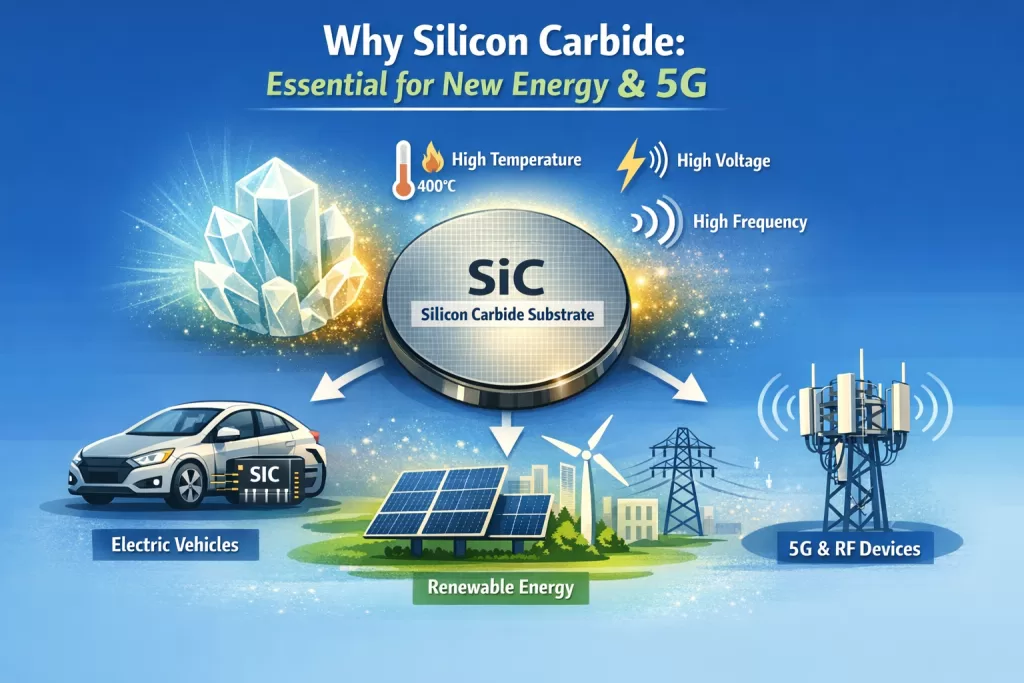
1. Introduction: From Silicon Limits to Wide Bandgap Breakthroughs As global industries accelerate toward electrification and digitalization, conventional silicon (Si)-based semiconductors are approaching their physical and performance limits. Applications such as electric vehicles, renewable energy systems, and 5G communications demand devices that can operate under higher voltages, higher temperatures, and higher frequencies. In this context, […]
Silicon Carbide Industry: Production Factors and Capacity Overview
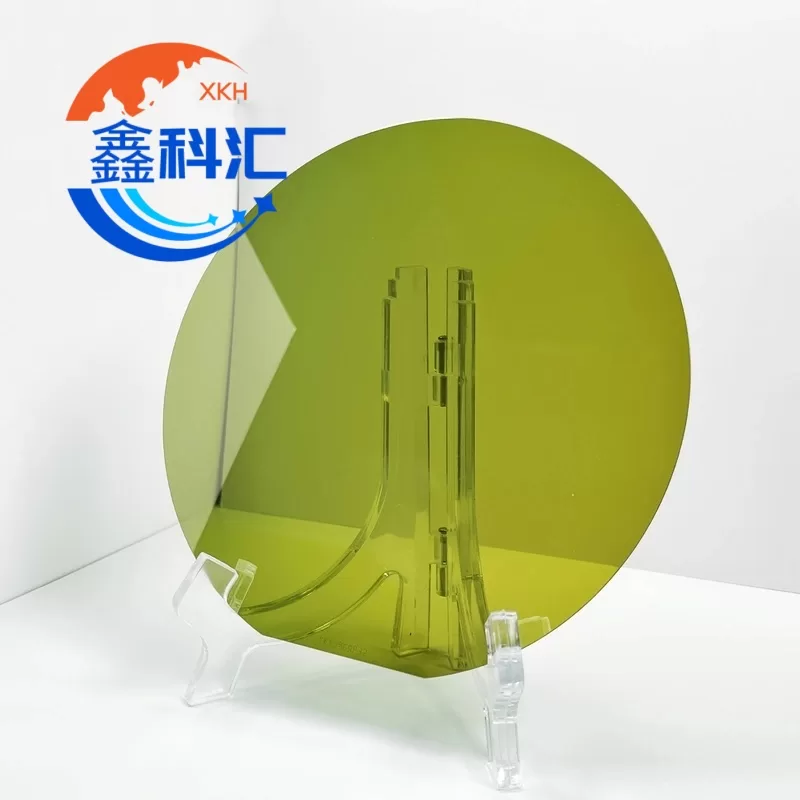
Silicon carbide (SiC) has emerged as one of the leading representatives of third-generation semiconductors, offering significant advantages over conventional silicon in terms of wider bandgap, higher breakdown electric field, and superior thermal conductivity. These properties make SiC highly suitable for high-temperature, high-voltage, and high-frequency applications. Its exceptional physical and chemical characteristics enable the production of […]
Custom SiC Wafer Solutions: From Sizes to Doping
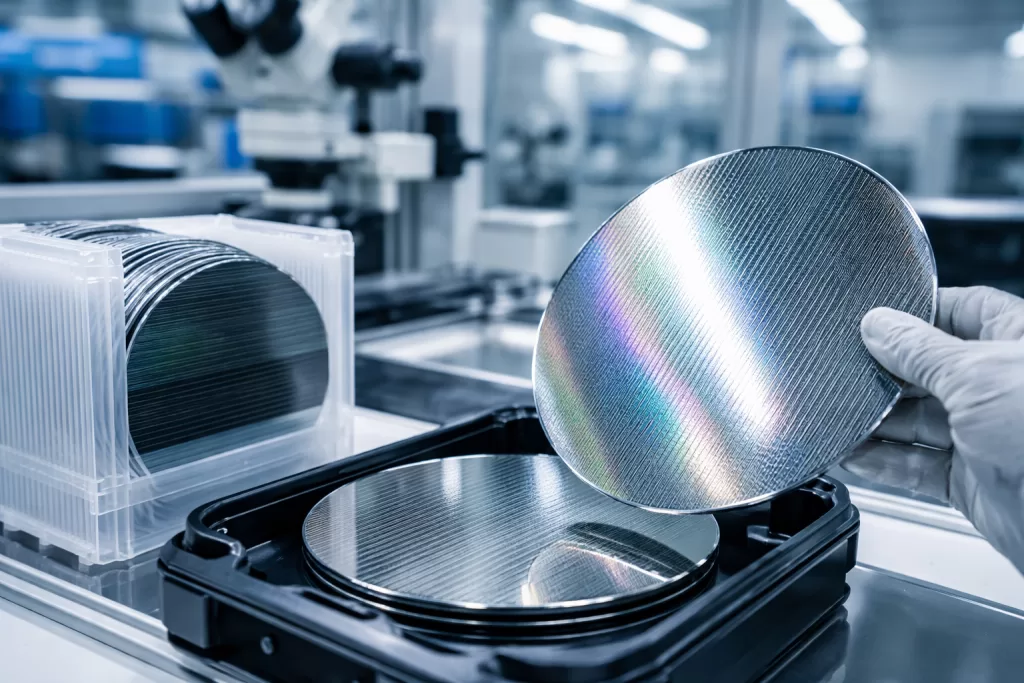
SiC wafer have become a foundational material in modern power electronics and high-frequency devices, driven by their superior physical and electrical properties. Compared with conventional silicon, SiC exhibits a wide bandgap (~3.26 eV for 4H-SiC), high thermal conductivity, and a strong critical electric field, enabling devices to operate efficiently under high voltage, high temperature, and […]
What Are the Carbon Face and Silicon Face of a Silicon Carbide Wafer?
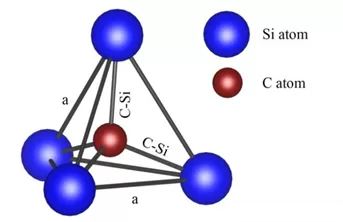
In modern power electronics, Silicon Carbide has become one of the most important wide-bandgap semiconductor materials. Compared with traditional Silicon, SiC offers superior properties such as higher breakdown electric field, better thermal conductivity, and the ability to operate at higher temperatures and voltages. Because of these advantages, SiC is widely used in power devices for […]
300mm vs. 200mm SiC Wafer Cost Analysis: At What Production Volume is the 12-Inch Transition Profitable?
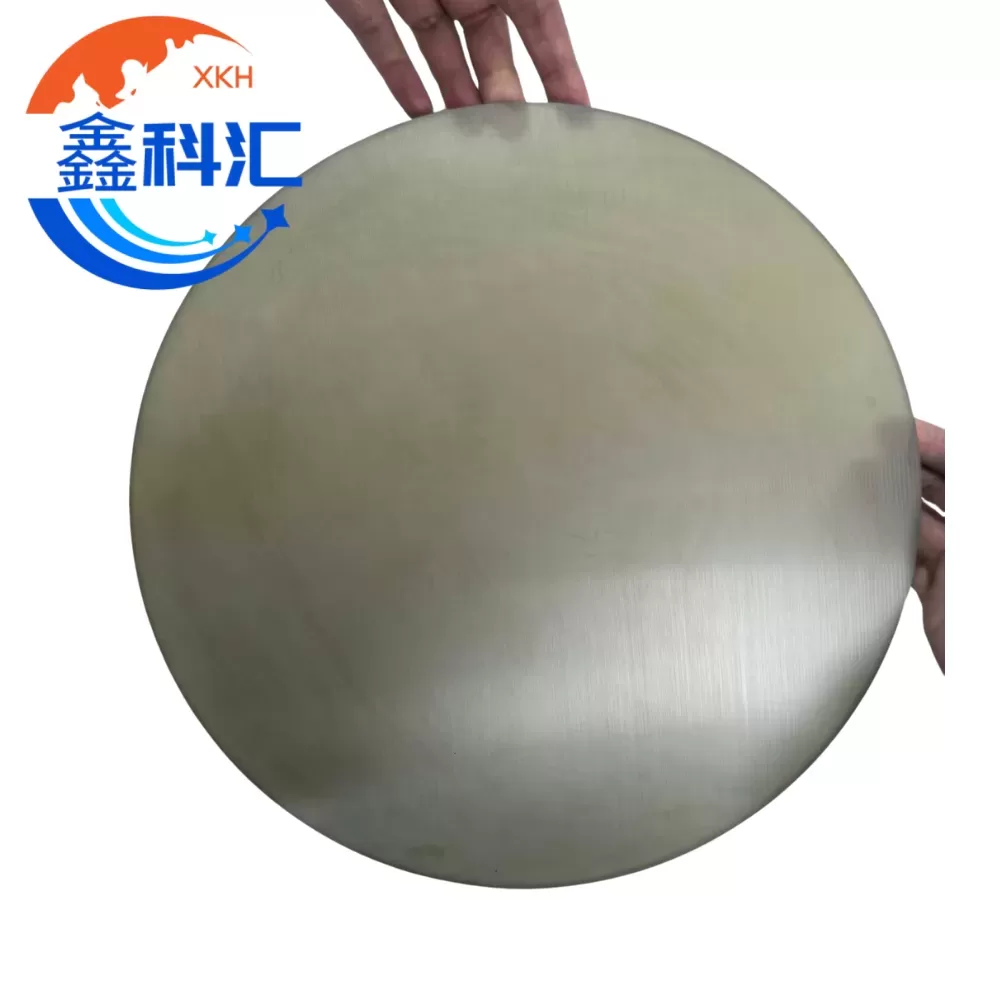
Silicon carbide (SiC) wafers have become a critical material for high-power electronics, electric vehicles, and advanced semiconductor devices. As the demand for higher efficiency, smaller form-factor devices grows, semiconductor manufacturers face a strategic decision: whether to transition from conventional 200mm (8-inch) SiC wafers to 300mm (12-inch) wafers. While larger wafers promise cost savings per device, […]
Advances in SiC Epitaxy: Toward Near-Defect-Free Silicon Carbide Power Devices
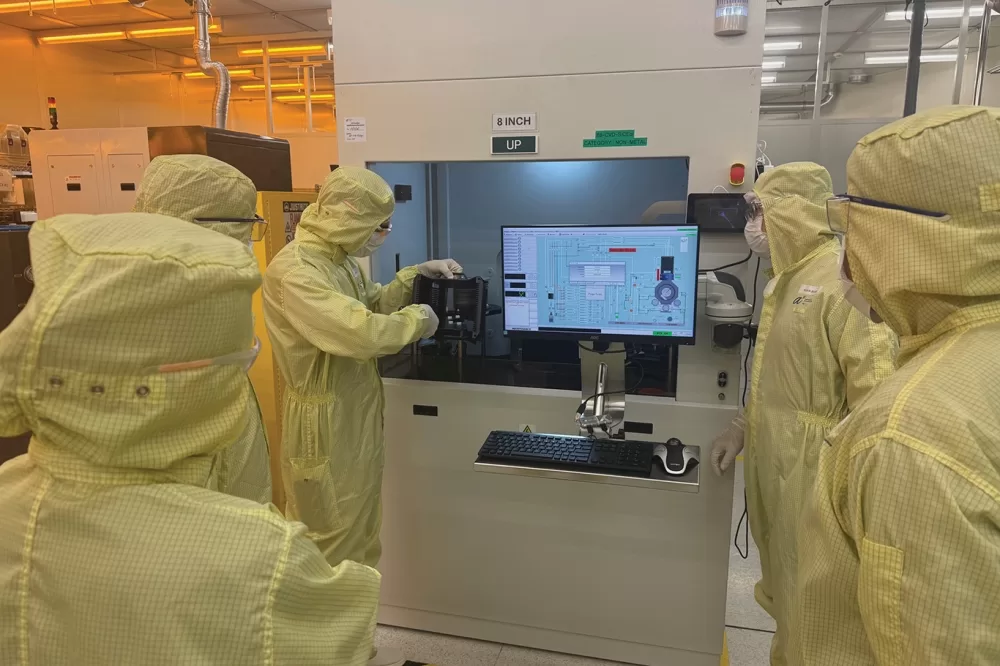
Silicon carbide (SiC) power devices are rapidly expanding their share of the global power electronics market. By surpassing the physical performance limits of conventional silicon devices, SiC enables higher efficiency, higher voltage operation, and improved thermal performance in applications such as electric vehicles, renewable energy systems, and industrial power conversion. Despite these advantages, the relatively […]
SiC Substrate Reliability Assessment: Which Metrics Truly Matter?
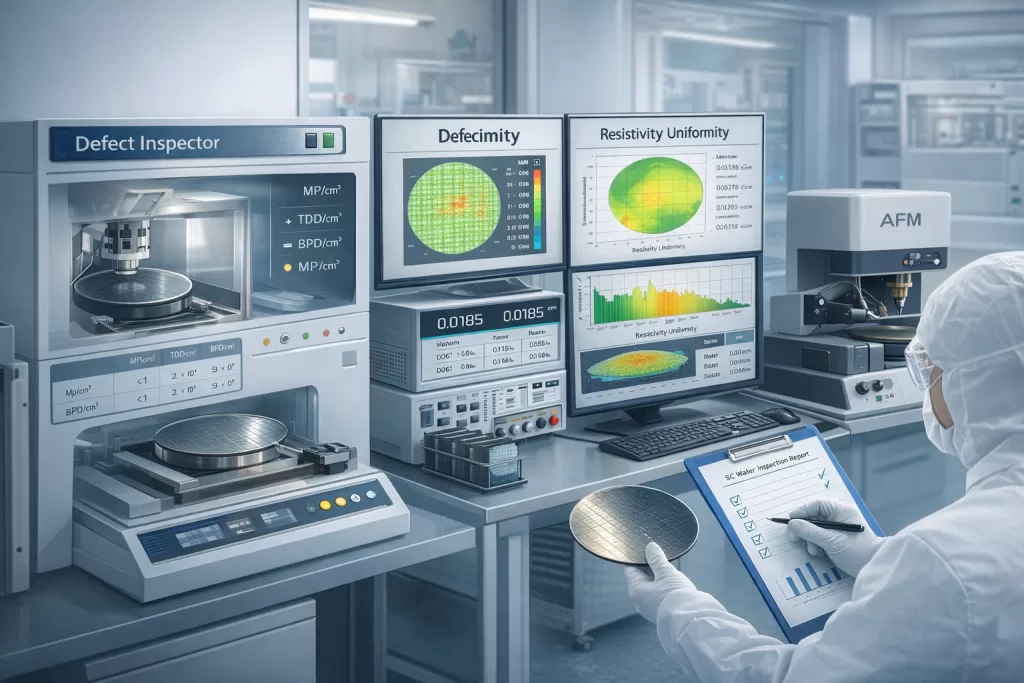
Silicon carbide (SiC) substrates have emerged as a foundational material for next-generation power electronics due to their superior thermal conductivity, high breakdown field, and excellent chemical stability. However, the performance and reliability of SiC-based devices depend critically on the quality of the underlying substrate. While many specifications are commonly reported by suppliers—such as defect density, […]
How to Choose the Right SiC Substrate for Power Electronics
Silicon carbide (SiC) has transformed the landscape of power electronics. From electric vehicle (EV) inverters to high-frequency converters, SiC enables devices to operate faster, hotter, and more efficiently than traditional silicon. Yet, not all SiC substrates are created equal. Choosing the right one is a strategic decision that directly affects device performance, yield, and reliability. […]