
Common Defects in SiC Wafers and Inspection Methods
As the demand for high-efficiency power electronics continues to grow, Silicon Carbide (SiC) wafers have become a foundational material for next-generation semiconductor devices. Compared with conventional silicon substrates, SiC offers a wider bandgap, higher critical electric field strength, superior thermal conductivity, and better high-temperature performance. These characteristics make SiC indispensable in electric vehicles, renewable energy […]
Emerging Materials in Semiconductor Manufacturing Beyond Silicon
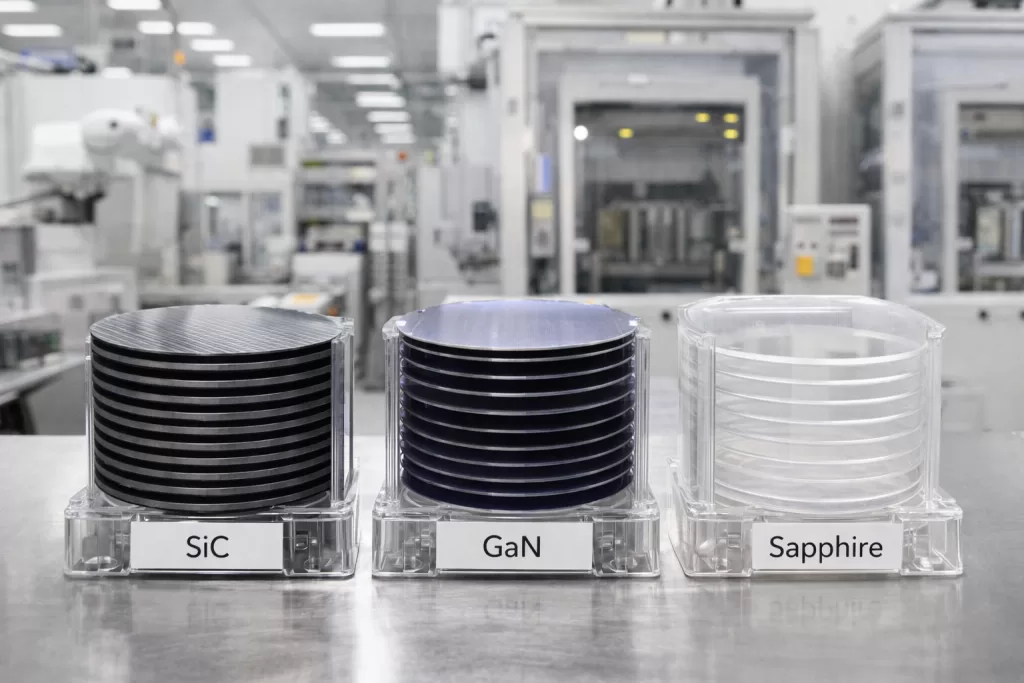
1. Introduction Silicon has dominated the semiconductor industry for decades due to its abundance, stable crystalline structure, and excellent electronic properties. However, as device scaling approaches physical limits and applications demand higher performance, alternative materials are increasingly being explored. These new materials aim to overcome the limitations of silicon in areas such as high-power electronics, […]
SiC Wafers in High-Frequency Applications: Benefits and Practical Limitations
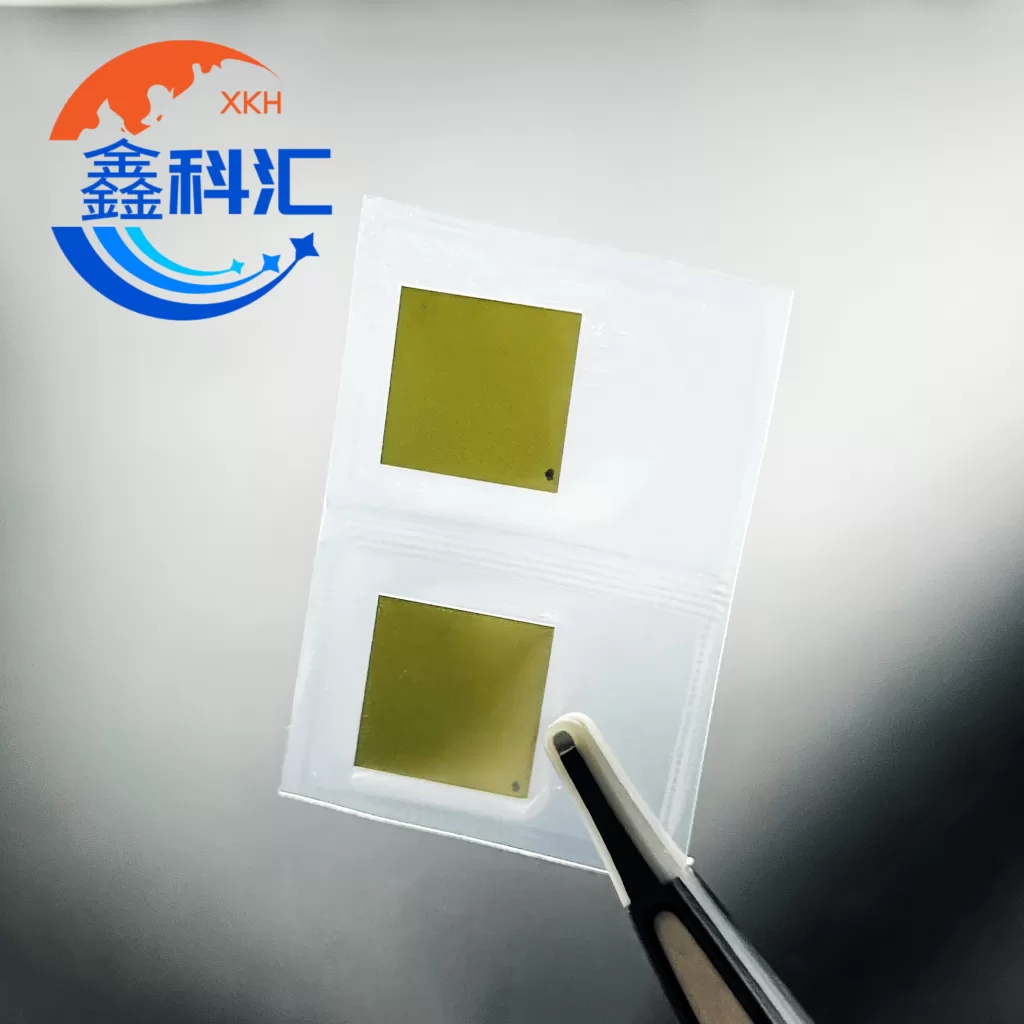
Silicon carbide (SiC) wafers have rapidly gained attention in high-frequency and high-power electronics due to their superior material properties compared to conventional silicon (Si). With a combination of wide bandgap, high thermal conductivity, and high breakdown electric field, SiC substrates provide performance advantages for RF devices, microwave transceivers, and high-speed power electronics. While these advantages […]
Advantages of Using Silicon Carbide for High-Power and High-Frequency Devices
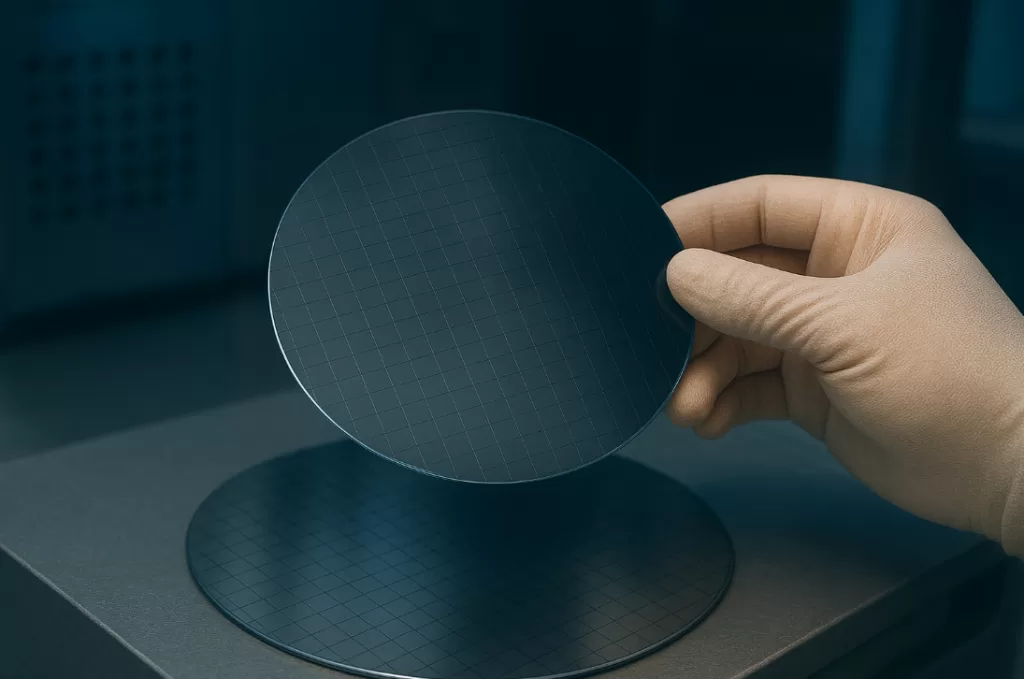
Silicon carbide, or SiC, is a wide-bandgap semiconductor material that has gained attention for its ability to operate in high-power and high-frequency applications. Compared to traditional silicon, SiC offers superior electrical and thermal properties, making it ideal for devices that need to withstand extreme conditions. High Voltage Capability One of the key advantages of SiC […]