
Silicon carbide, or SiC, is a wide-bandgap semiconductor material that has gained attention for its ability to operate in high-power and high-frequency applications. Compared to traditional silicon, SiC offers superior electrical and thermal properties, making it ideal for devices that need to withstand extreme conditions.
High Voltage Capability
One of the key advantages of SiC is its ability to handle high voltages efficiently. While conventional silicon devices are generally limited to around 600 volts, SiC devices can operate beyond 1,200 volts with minimal energy loss. This reduces the need for large cooling systems and allows engineers to design more compact and efficient power modules. Higher voltage capability also improves system reliability, which is important in applications such as electric vehicles, industrial drives, and renewable energy inverters.
Thermal Performance
SiC excels in thermal management due to its high thermal conductivity, which is more than three times that of silicon. This allows devices to dissipate heat rapidly and operate at higher temperatures without performance degradation. Better heat management extends the lifespan of devices and reduces the complexity and cost of cooling solutions. High-frequency applications, such as RF amplifiers and satellite communication systems, benefit particularly from SiC’s thermal performance.
Faster Switching Speeds
Another advantage of SiC is its ability to switch at very high speeds. Faster switching reduces energy losses, improves efficiency, and allows for smaller passive components in circuits. Reduced switching losses also help limit electromagnetic interference, making SiC highly suitable for power conversion systems where efficiency and performance are critical.
Manufacturing and Material Quality
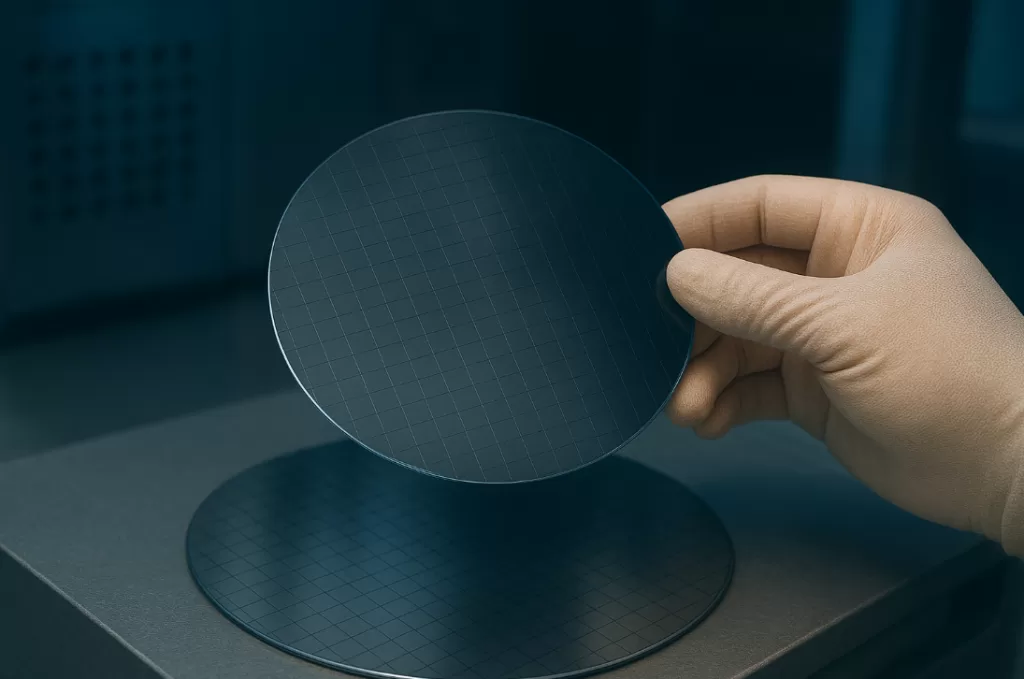
Advances in SiC wafer production, including improved epitaxial growth techniques, have enhanced crystal uniformity and reduced defects. This makes SiC a reliable option for both prototype and mass production of power devices. High-quality SiC wafers ensure consistent performance and help manufacturers meet stringent industrial standards while controlling costs.
Applications in Modern Electronics
SiC is increasingly used across various industries. In electric vehicles, SiC-based inverters and chargers improve energy efficiency and reduce weight. In renewable energy, SiC devices enhance the performance of solar inverters and wind turbine converters. High-frequency telecommunications, including 5G and satellite communications, benefit from SiC’s ability to handle large power densities at microwave frequencies.
Sonuç
Silicon carbide combines electrical, thermal, and mechanical advantages that make it a superior choice for high-power and high-frequency applications. Its unique properties enable engineers to design more efficient, reliable, and compact devices, driving innovation across industries ranging from electric vehicles to renewable energy and advanced communication systems.