
As EV Growth Moderates, Silicon Carbide Finds a New Buyer: AI Data Centers Are Stepping In
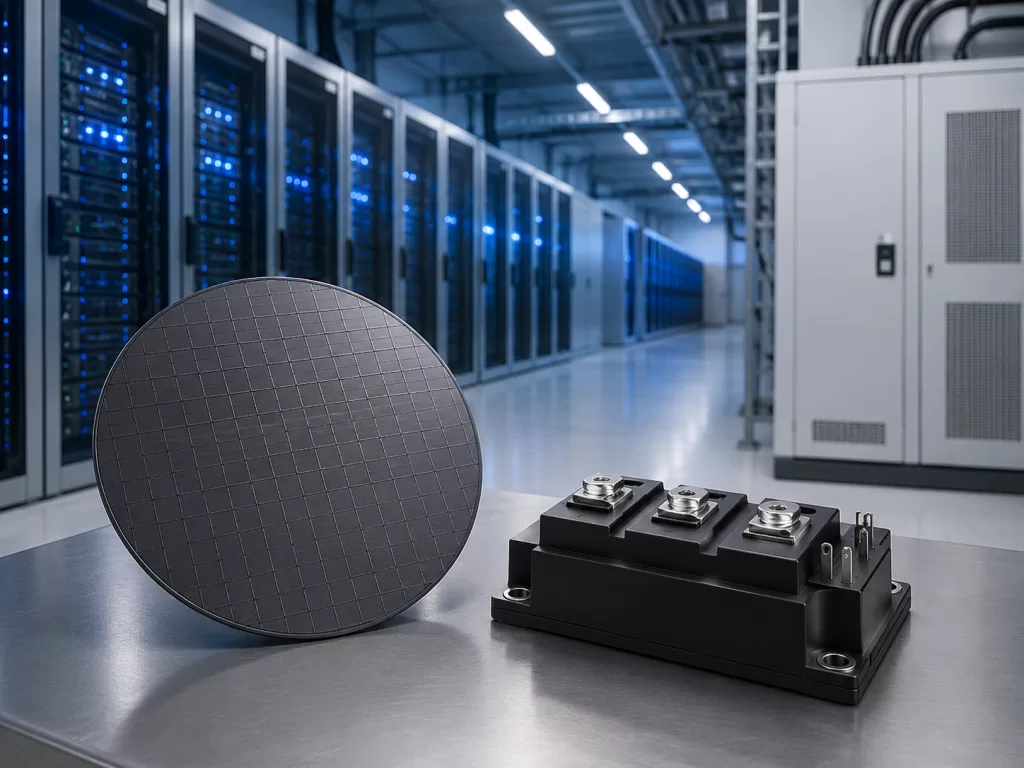
For years, the silicon carbide industry has been closely associated with electric vehicles. Ask where SiC power devices are used, and the first answers are usually familiar: traction inverters, onboard chargers, DC fast chargers and high-voltage EV platforms. That connection remains important. Global electric car sales exceeded 20 million units in 2025, representing about one-quarter […]
Silicon Carbide Beyond Electric Vehicles: AI, Energy Storage, and the Power Grid Are Opening Three New Markets
For much of the past decade, the silicon carbide industry has been discussed primarily through one application: electric vehicles. That association makes sense. SiC MOSFETs and diodes have become important components in high-voltage traction inverters, onboard chargers, and fast-charging systems because silicon carbide can reduce power losses while supporting higher operating voltages and switching frequencies. […]
Why Global Demand for SiC Wafers Continues to Grow Across EV, Renewable Energy and Industrial Electronics

Silicon carbide wafers have moved from a specialized semiconductor material to a strategically important foundation for modern power electronics. The strongest demand comes from electric vehicles, renewable energy infrastructure and industrial electronic systems. These sectors all face a similar engineering challenge: they must control increasingly large amounts of electrical power while reducing energy losses, thermal […]
Common Defects in SiC Wafer and Their Impact on Device Performance
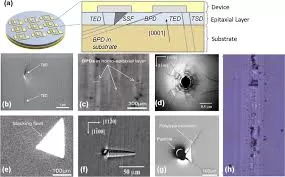
Silicon Carbide (SiC), as a third-generation wide-bandgap semiconductor material, has gained significant importance in power electronics, including electric vehicles, photovoltaic inverters, high-voltage power supplies, and industrial energy systems. Thanks to its wide bandgap, high breakdown electric field, and excellent thermal conductivity, SiC enables devices with higher efficiency, higher switching speed, and better high-temperature stability compared […]
SiC Power Semiconductor Reliability: Physical Properties, Failure Mechanisms, Defect Control, and Lifetime Evaluation
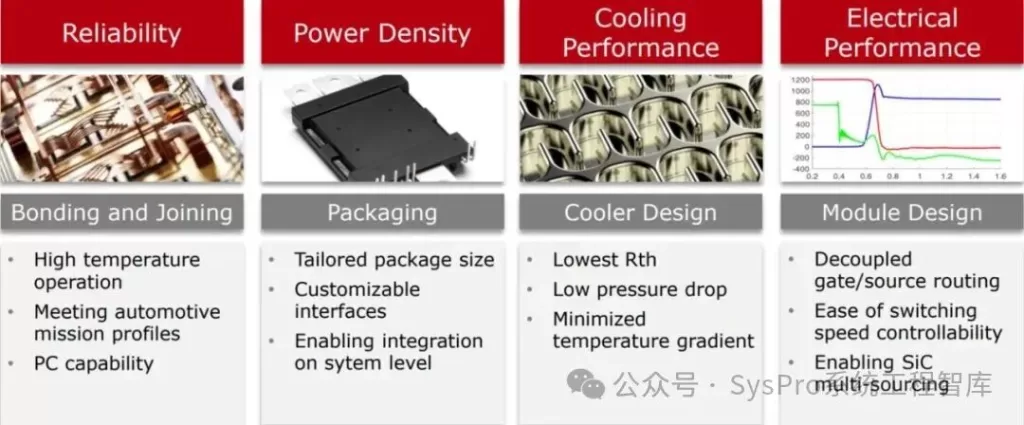
As electric vehicles, renewable energy systems, industrial drives, and high-power electronics continue evolving toward higher efficiency and power density, Silicon Carbide (SiC) power semiconductors have moved from emerging technology into large-scale commercialization. Compared with traditional silicon (Si) devices, SiC MOSFETs deliver higher switching speeds, lower losses, and superior high-temperature capability. However, their material structure and […]
Silicon Carbide (SiC): The Enabling Material for AI Chip Packaging and Next-Generation Server Power Systems
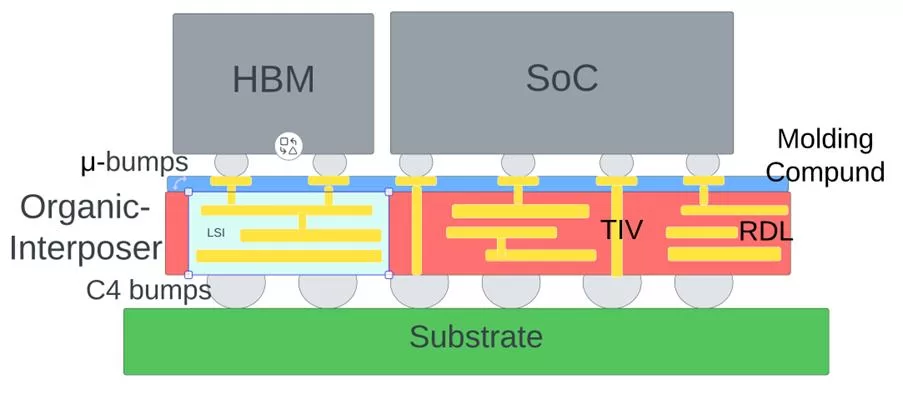
With the rapid expansion of artificial intelligence workloads, both data centers and advanced semiconductor devices are facing unprecedented challenges in power consumption and thermal management. Leading platforms from companies such as Intel and NVIDIA are pushing system power levels to new extremes. Server racks are moving from tens of kilowatts to over 100 kW, while […]
Advances in SiC Epitaxy: Toward Near-Defect-Free Silicon Carbide Power Devices
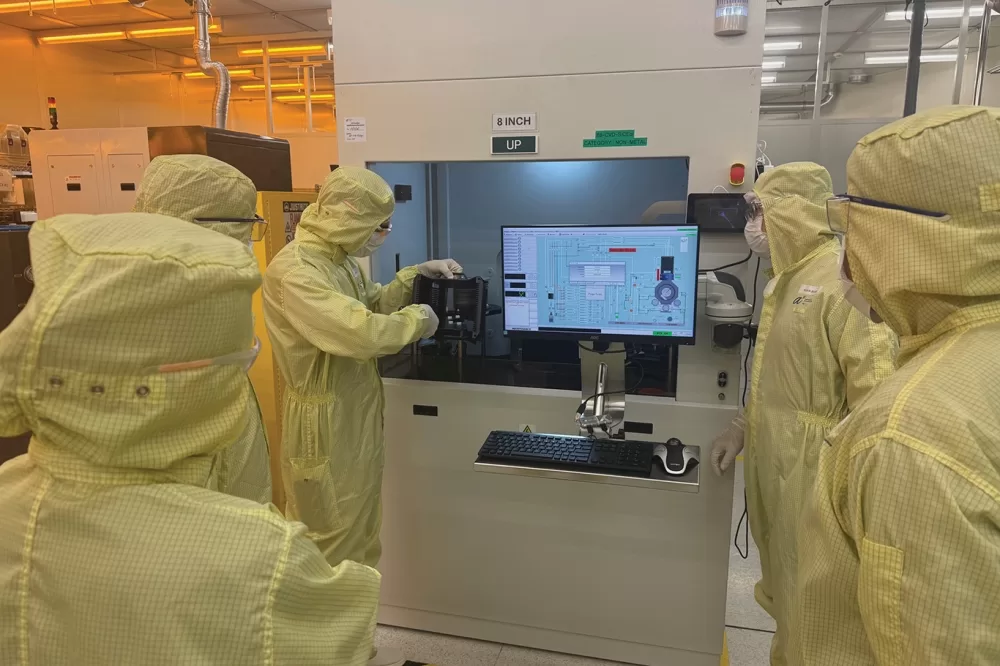
Silicon carbide (SiC) power devices are rapidly expanding their share of the global power electronics market. By surpassing the physical performance limits of conventional silicon devices, SiC enables higher efficiency, higher voltage operation, and improved thermal performance in applications such as electric vehicles, renewable energy systems, and industrial power conversion. Despite these advantages, the relatively […]
SiC Wafers in High-Frequency Applications: Benefits and Practical Limitations
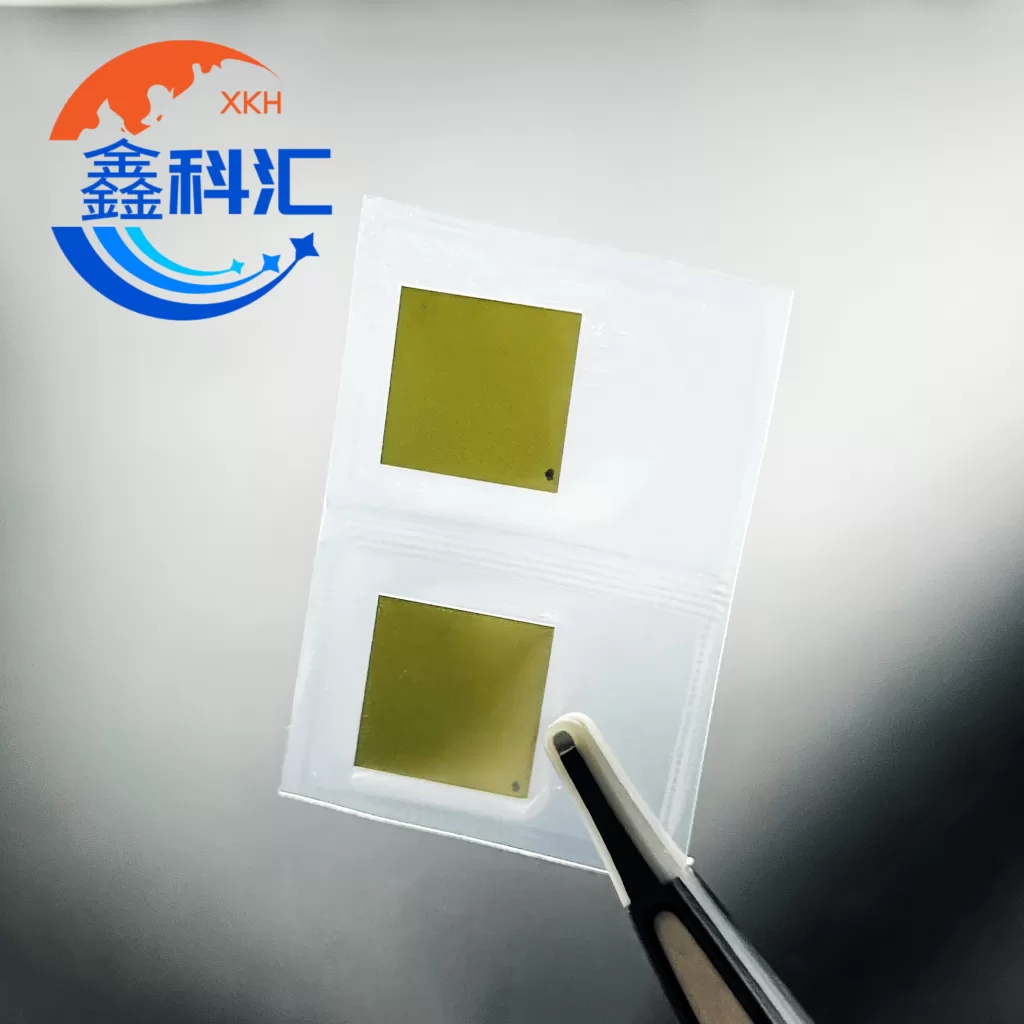
Silicon carbide (SiC) wafers have rapidly gained attention in high-frequency and high-power electronics due to their superior material properties compared to conventional silicon (Si). With a combination of wide bandgap, high thermal conductivity, and high breakdown electric field, SiC substrates provide performance advantages for RF devices, microwave transceivers, and high-speed power electronics. While these advantages […]