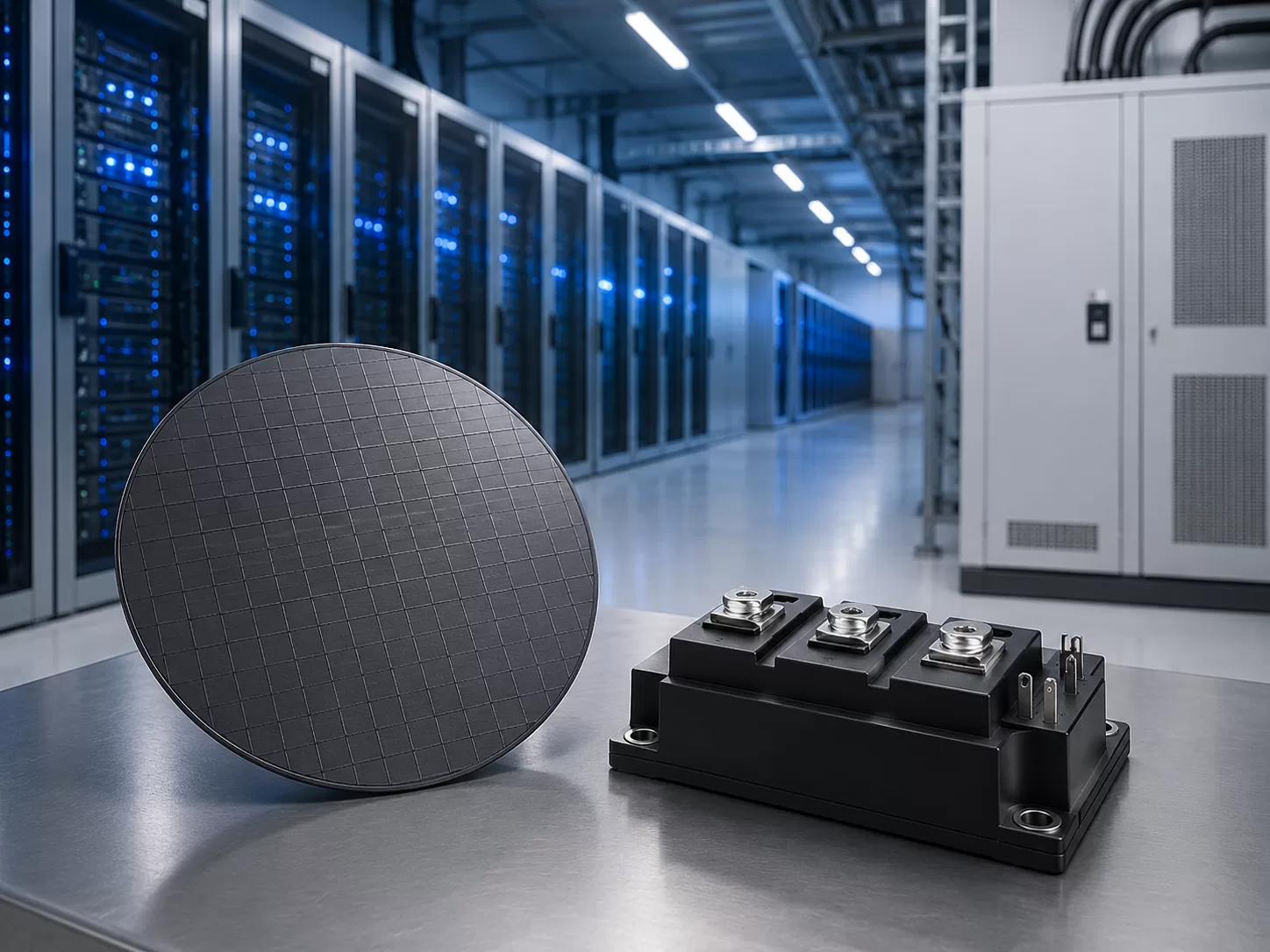
As EV Growth Moderates, Silicon Carbide Finds a New Buyer: AI Data Centers Are Stepping In
For years, the silicon carbide industry has been closely associated with electric vehicles. Ask where SiC power devices are used, and the first answers are
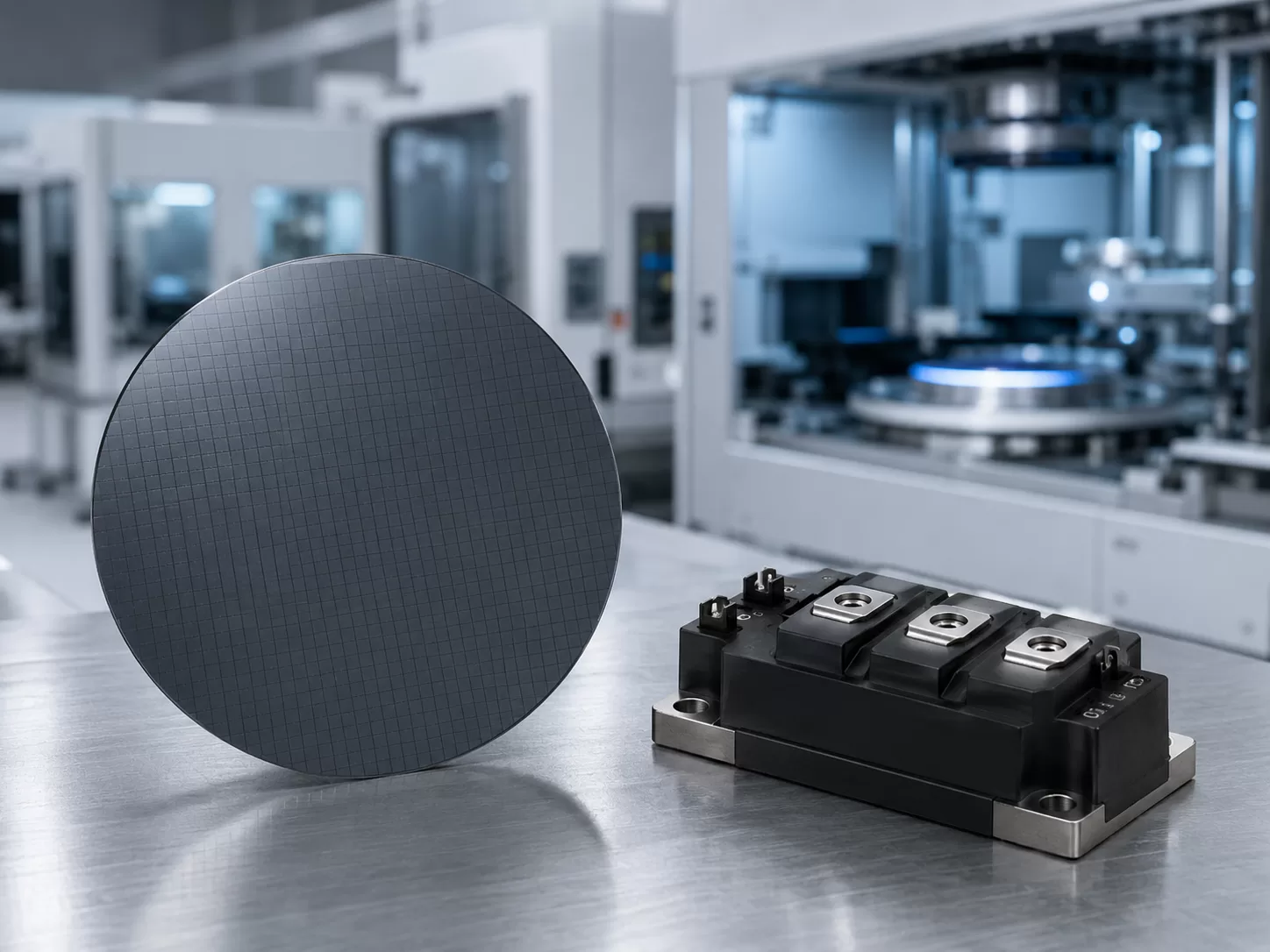
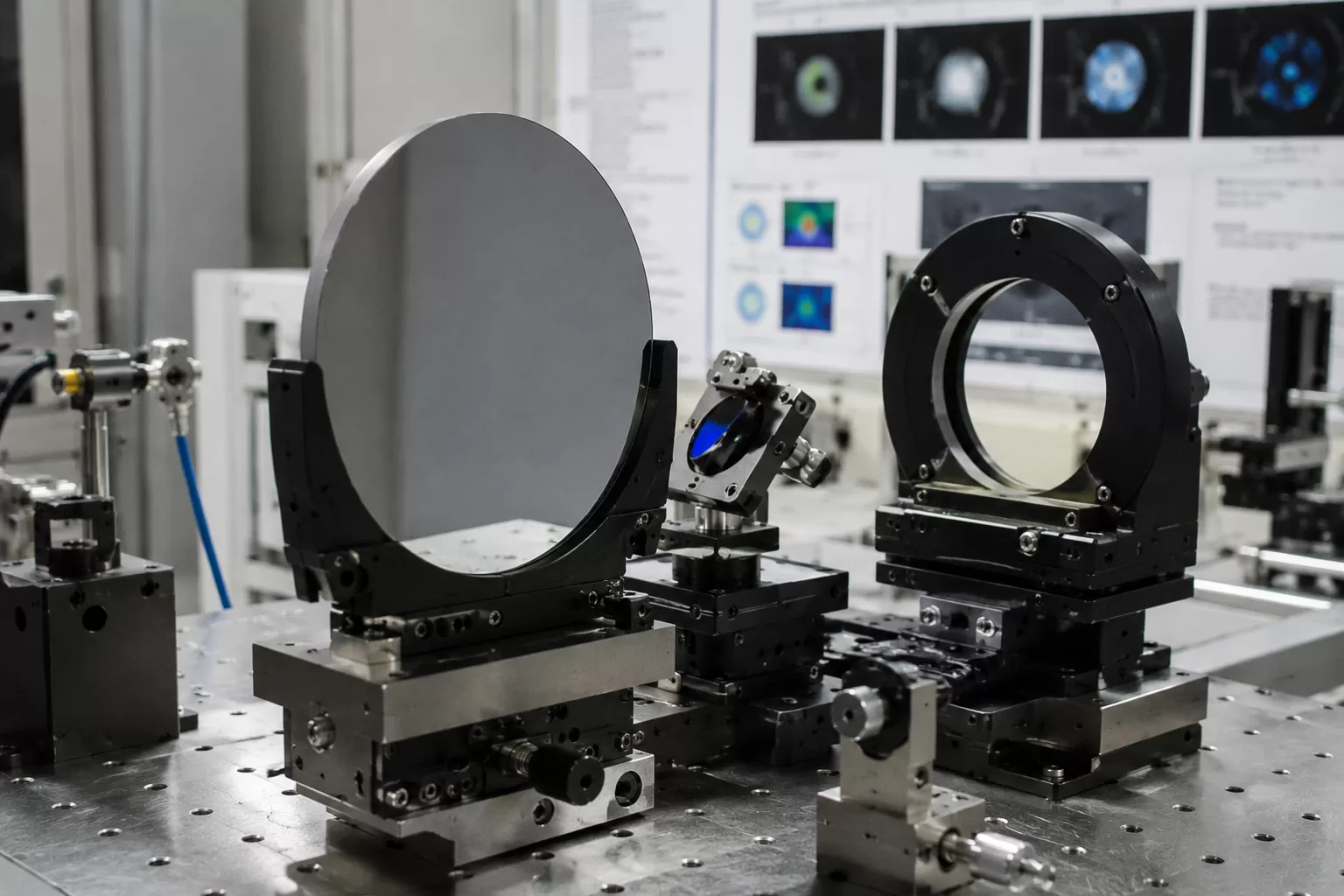
For years, the silicon carbide industry had one overriding question: Who can manufacture high-quality SiC at scale? Crystal growth was difficult. Wafer supply was limited.
For much of the past decade, the silicon carbide industry has been discussed primarily through one application: electric vehicles. That association makes sense. SiC MOSFETs

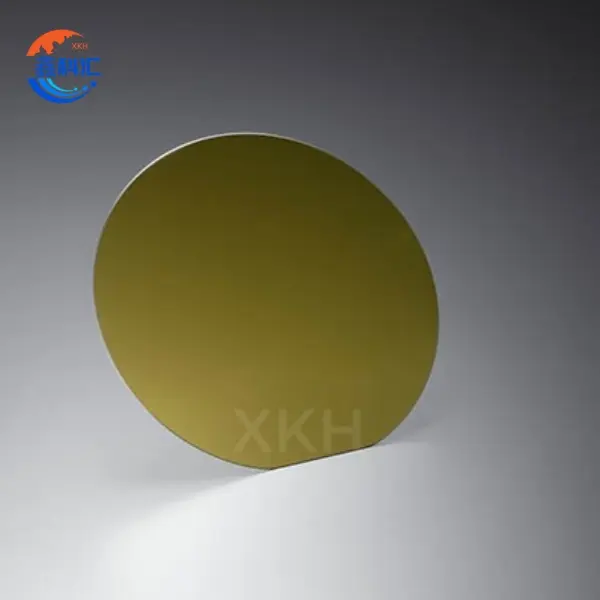
Silicon Carbide (SiC) is widely known as a third-generation semiconductor material used in electric vehicles and power electronics. However, in high-end optical systems, SiC plays

For years, silicon carbide (SiC) has been viewed primarily as a “new energy material” tied to electric vehicles, solar inverters, and industrial power electronics. But
As semiconductor technology advances toward smaller process nodes, larger wafer sizes, and increasingly complex manufacturing environments, material selection has become a critical engineering consideration. Modern

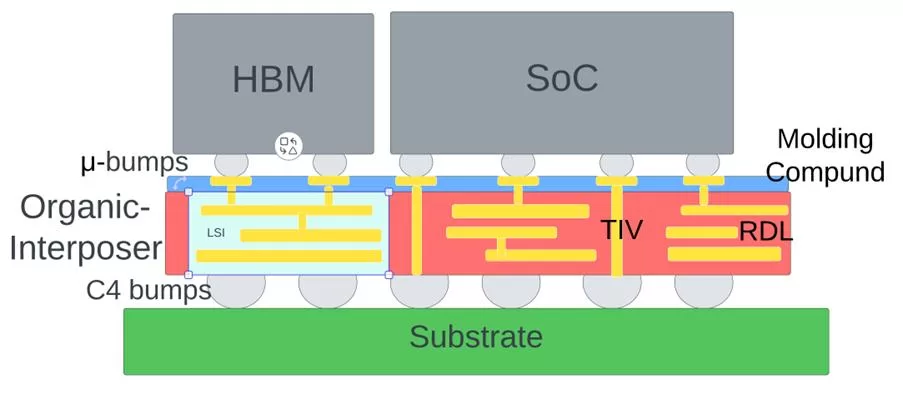
With the rapid expansion of artificial intelligence workloads, both data centers and advanced semiconductor devices are facing unprecedented challenges in power consumption and thermal management.

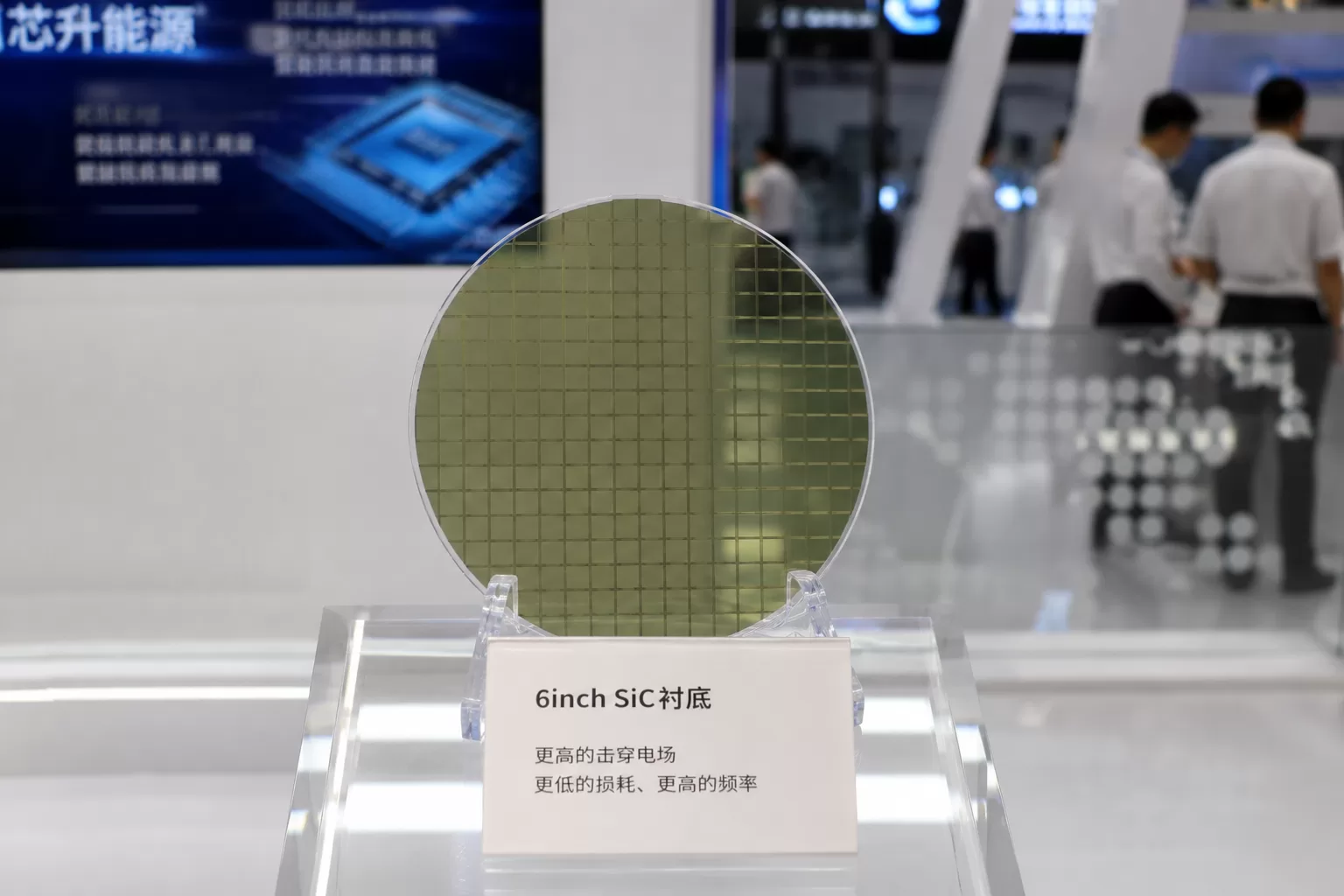
Silicon carbide (SiC) has emerged as a critical material in high-performance power semiconductor devices due to its wide bandgap, high thermal conductivity, high breakdown field,