As EV Growth Moderates, Silicon Carbide Finds a New Buyer: AI Data Centers Are Stepping In
For years, the silicon carbide industry has been closely associated with electric vehicles. Ask where SiC power devices are used, and the first answers are
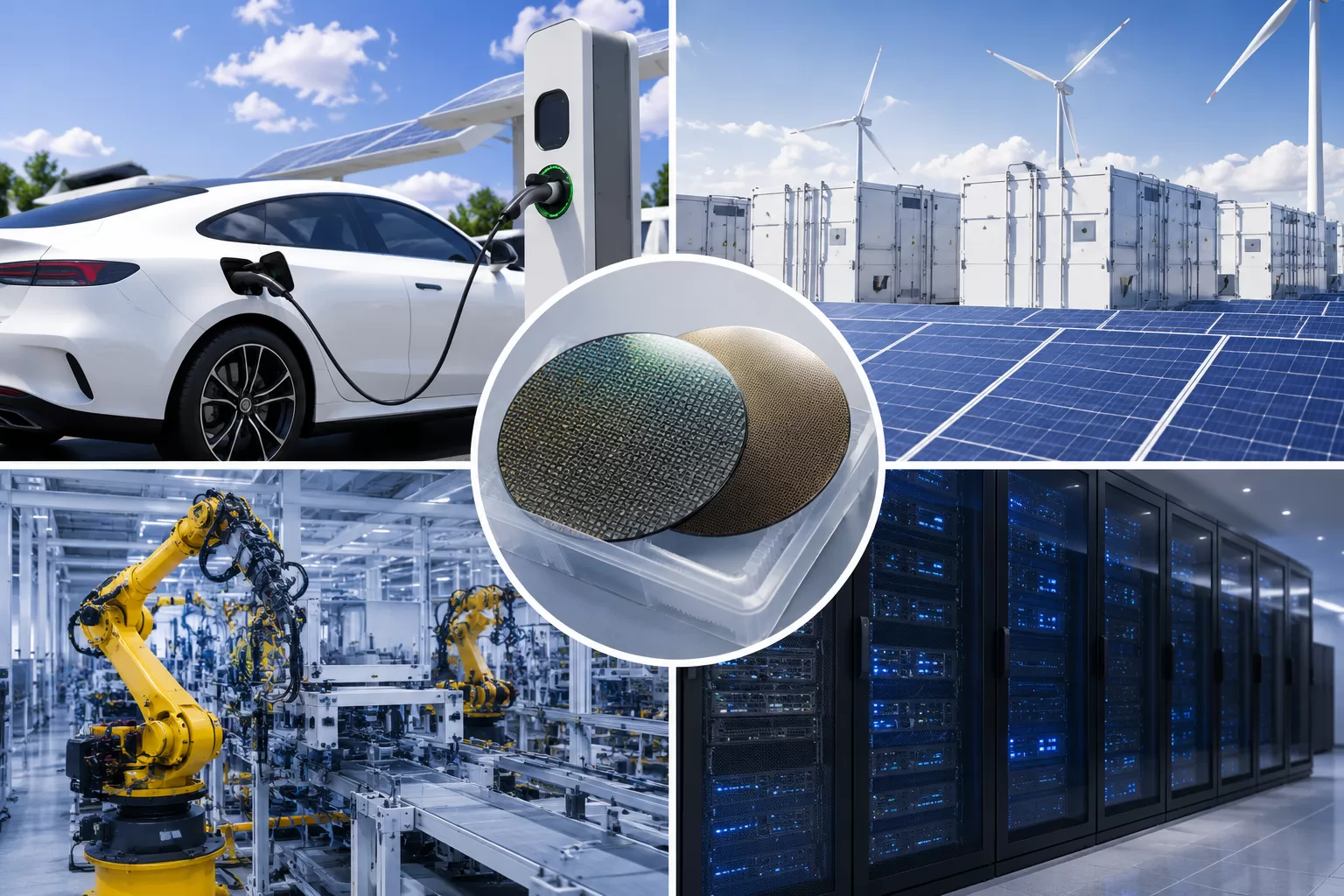
For years, the silicon carbide industry had one overriding question: Who can manufacture high-quality SiC at scale? Crystal growth was difficult. Wafer supply was limited.
For much of the past decade, the silicon carbide industry has been discussed primarily through one application: electric vehicles. That association makes sense. SiC MOSFETs

Silicon carbide wafers have moved from a specialized semiconductor material to a strategically important foundation for modern power electronics. The strongest demand comes from electric
Silicon carbide (SiC) has become one of the most important semiconductor materials for next-generation power electronics. Compared with conventional silicon, SiC offers a wider bandgap,

Silicon Carbide (SiC) has emerged as one of the most important semiconductor materials for next-generation power electronics. Thanks to its wide bandgap, high thermal conductivity,

Silicon Carbide (SiC), as a third-generation wide-bandgap semiconductor material, has gained significant importance in power electronics, including electric vehicles, photovoltaic inverters, high-voltage power supplies, and

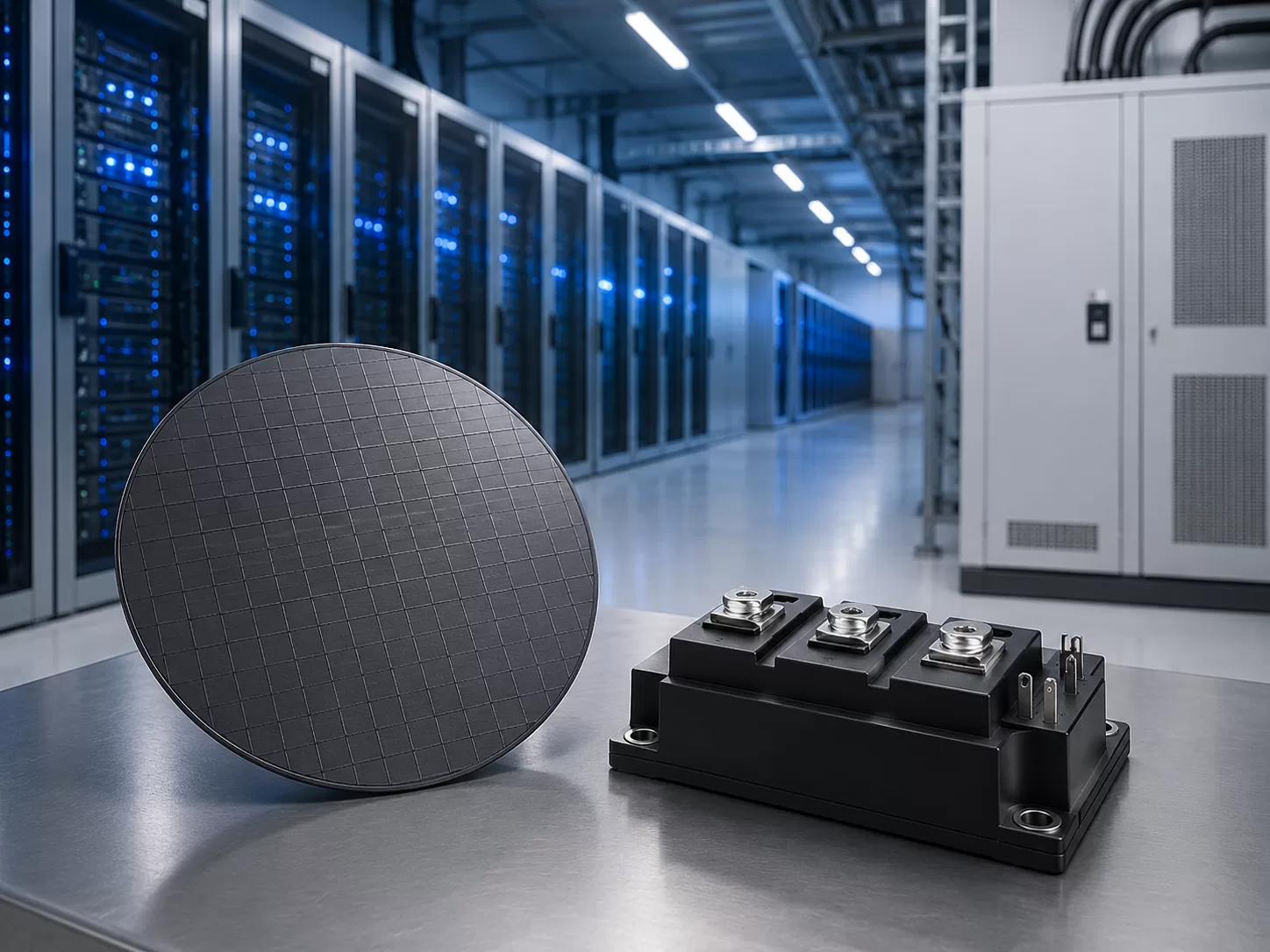
For years, silicon carbide (SiC) has been viewed primarily as a “new energy material” tied to electric vehicles, solar inverters, and industrial power electronics. But