
As EV Growth Moderates, Silicon Carbide Finds a New Buyer: AI Data Centers Are Stepping In
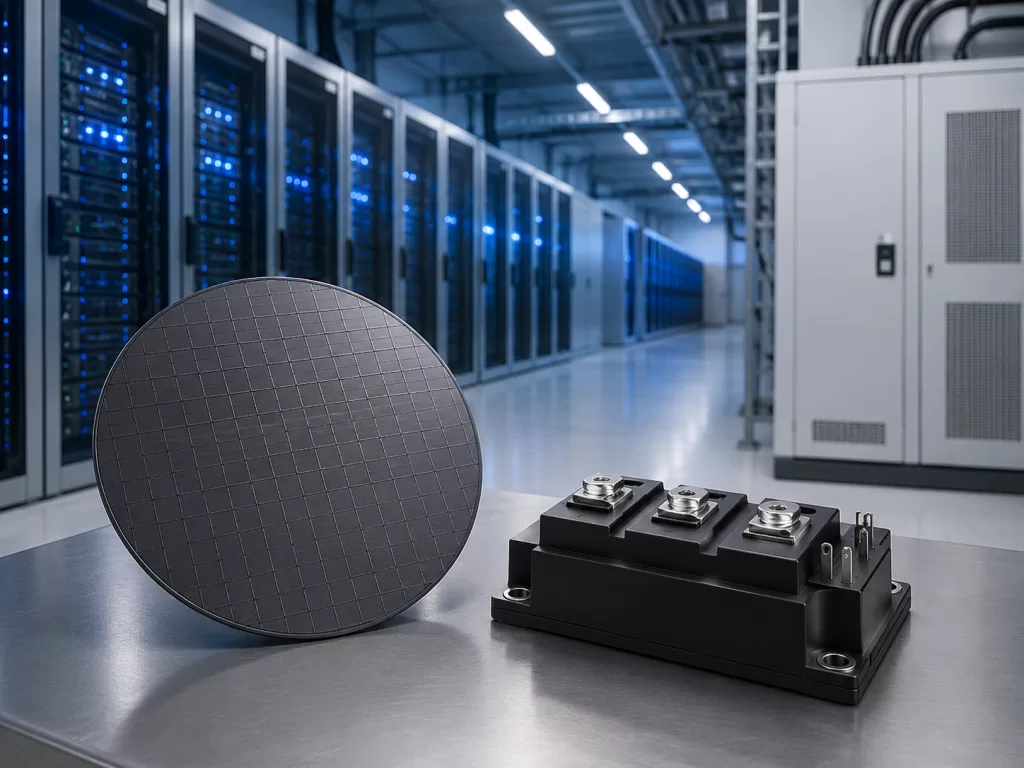
For years, the silicon carbide industry has been closely associated with electric vehicles. Ask where SiC power devices are used, and the first answers are usually familiar: traction inverters, onboard chargers, DC fast chargers and high-voltage EV platforms. That connection remains important. Global electric car sales exceeded 20 million units in 2025, representing about one-quarter […]
Silicon Carbide Beyond Electric Vehicles: AI, Energy Storage, and the Power Grid Are Opening Three New Markets
For much of the past decade, the silicon carbide industry has been discussed primarily through one application: electric vehicles. That association makes sense. SiC MOSFETs and diodes have become important components in high-voltage traction inverters, onboard chargers, and fast-charging systems because silicon carbide can reduce power losses while supporting higher operating voltages and switching frequencies. […]
SiC Wafer Manufacturing Challenges: Crystal Growth, Slicing, and Polishing
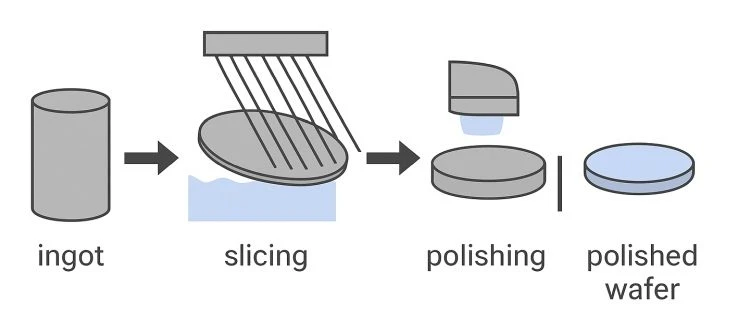
Silicon Carbide (SiC) has emerged as one of the most important semiconductor materials for next-generation power electronics. Thanks to its wide bandgap, high thermal conductivity, and superior breakdown electric field, SiC devices offer significant advantages over traditional silicon-based technologies in electric vehicles, renewable energy systems, industrial drives, and high-voltage power conversion. Despite these advantages, manufacturing […]
SiC Power Semiconductor Reliability: Physical Properties, Failure Mechanisms, Defect Control, and Lifetime Evaluation
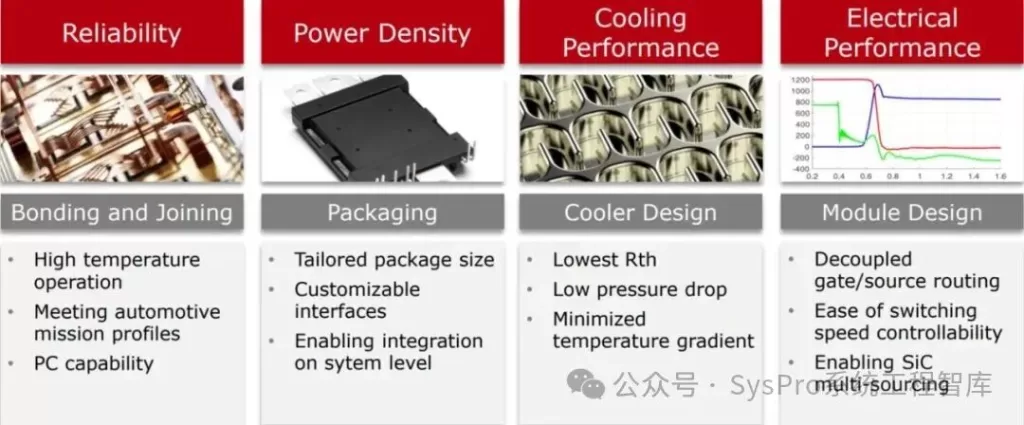
As electric vehicles, renewable energy systems, industrial drives, and high-power electronics continue evolving toward higher efficiency and power density, Silicon Carbide (SiC) power semiconductors have moved from emerging technology into large-scale commercialization. Compared with traditional silicon (Si) devices, SiC MOSFETs deliver higher switching speeds, lower losses, and superior high-temperature capability. However, their material structure and […]
N-Type vs. Semi-Insulating SiC Wafers: Main Differences and Applications
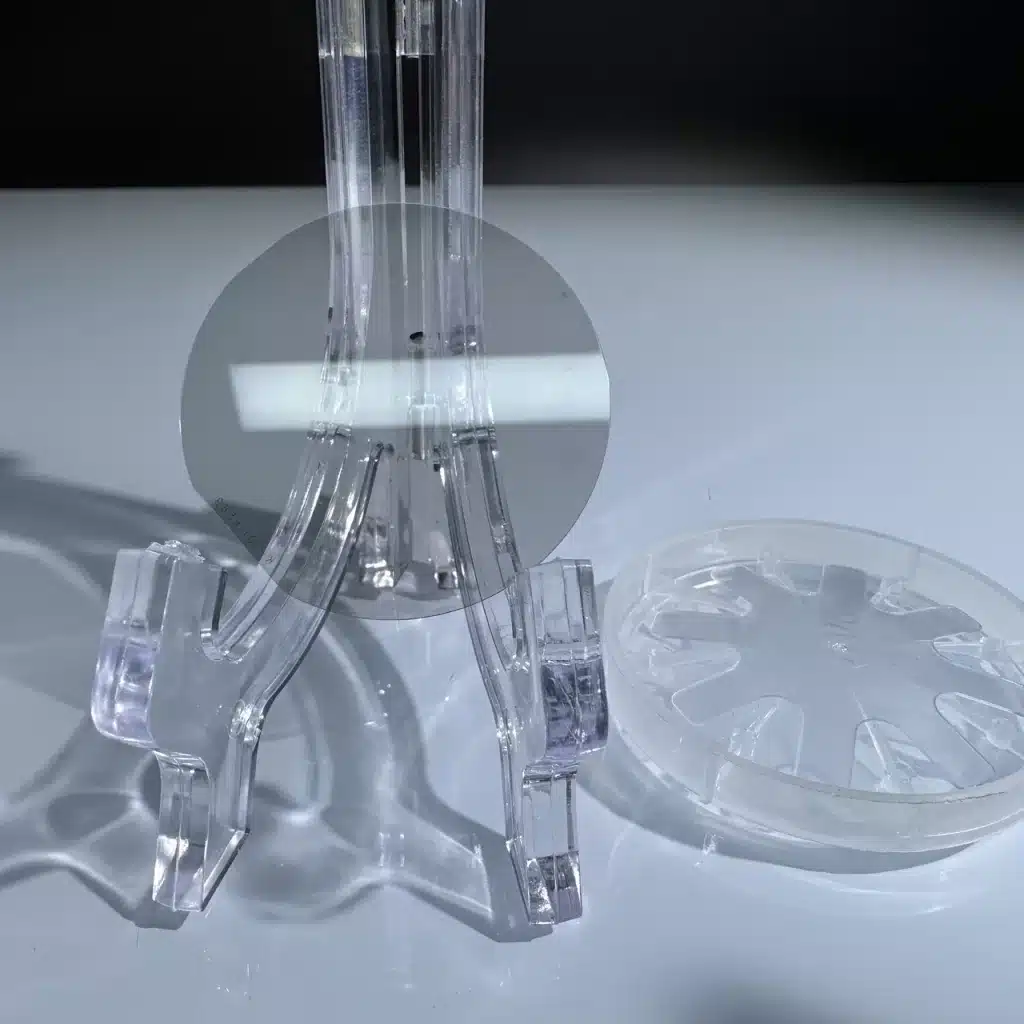
Silicon carbide (SiC) wafers have become one of the most important wide-bandgap semiconductor substrates in power electronics, RF communication, and high-temperature applications. Among the most widely used types are N-type SiC wafers and semi-insulating SiC wafers. Although they may look similar physically, their electrical behavior and application fields are fundamentally different. Choosing the wrong type […]
Silicon Carbide SiC Dummy Wafer: A Scientific and Educational Overview
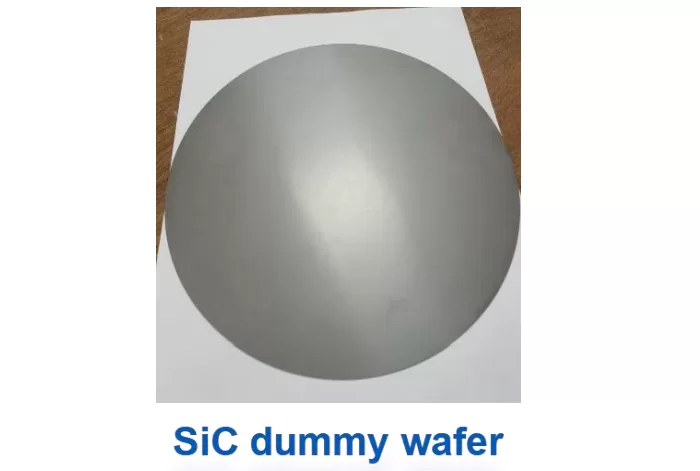
1. Introduction In semiconductor manufacturing, a dummy wafer (also known as a monitor wafer or blank wafer) is a non-device-bearing wafer used to support and stabilize process conditions. Among various materials, the Silicon Carbide (SiC) dummy wafer has gained increasing importance due to its outstanding thermal, mechanical, and chemical stability in extreme processing environments. This […]
Why Silicon Carbide Substrates Have Become a “Must-Have Material” for New Energy and 5G
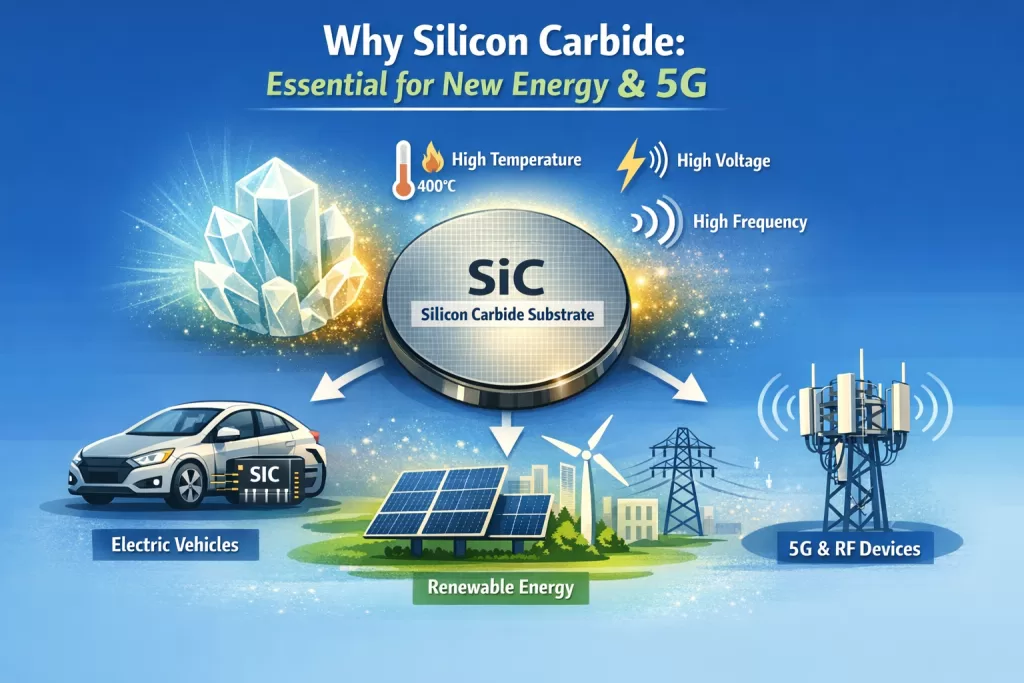
1. Introduction: From Silicon Limits to Wide Bandgap Breakthroughs As global industries accelerate toward electrification and digitalization, conventional silicon (Si)-based semiconductors are approaching their physical and performance limits. Applications such as electric vehicles, renewable energy systems, and 5G communications demand devices that can operate under higher voltages, higher temperatures, and higher frequencies. In this context, […]
Emerging Materials in Semiconductor Manufacturing Beyond Silicon
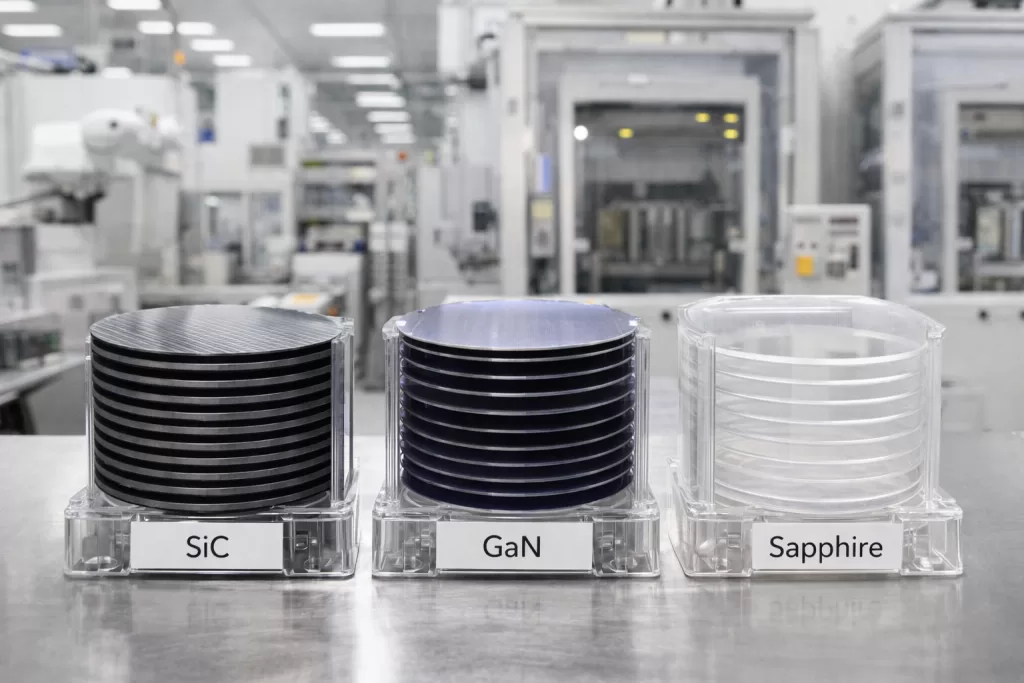
1. Introduction Silicon has dominated the semiconductor industry for decades due to its abundance, stable crystalline structure, and excellent electronic properties. However, as device scaling approaches physical limits and applications demand higher performance, alternative materials are increasingly being explored. These new materials aim to overcome the limitations of silicon in areas such as high-power electronics, […]