
SiC Wafer Polishing in 2026: Why Subsurface Damage Matters as Much as Surface Roughness
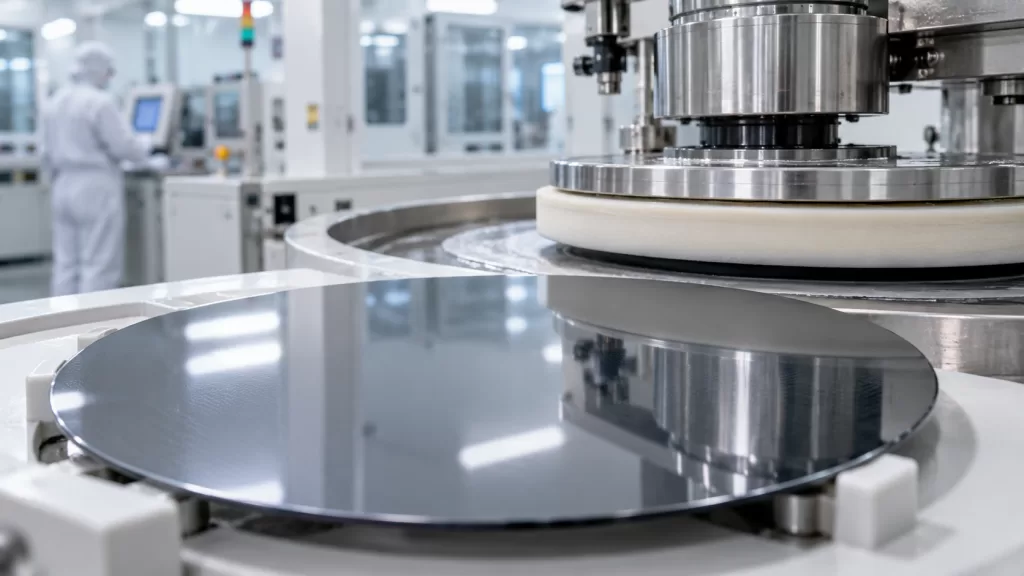
Silicon carbide is one of the most attractive semiconductor materials for high-voltage and high-power electronics, but it is also one of the most difficult wafer materials to process. Its high hardness, strong chemical stability and excellent wear resistance are major advantages in demanding device applications. During wafer manufacturing, however, the same properties make grinding and […]
SiC Wafer Market in 2026: Why Price Is Giving Way to Yield, Quality and 200 mm Qualification
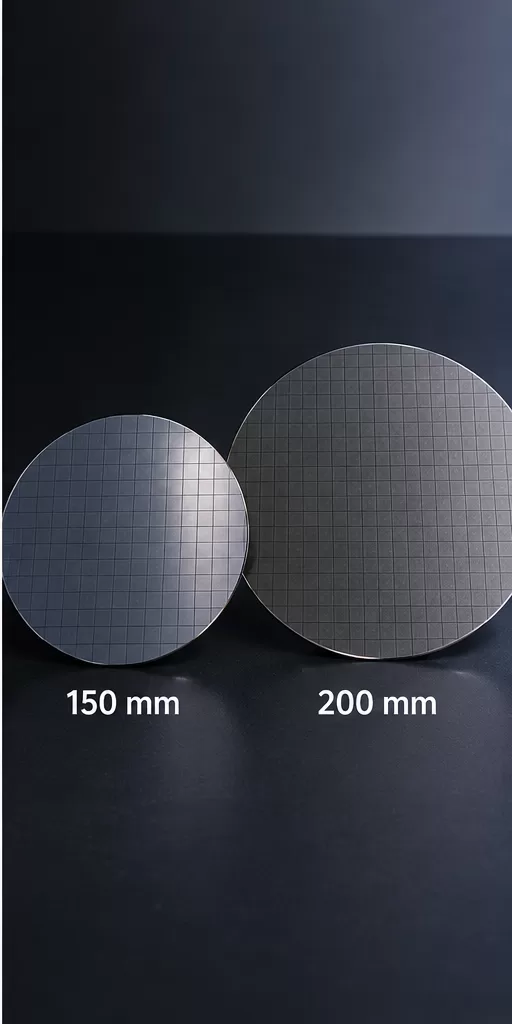
For much of the recent silicon carbide cycle, the discussion around SiC wafers was dominated by two subjects: capacity and price. Suppliers added crystal-growth capacity, Chinese manufacturers expanded aggressively, 150 mm substrate prices declined, and almost every major SiC producer announced a roadmap toward 200 mm production. In 2026, however, the market is entering a […]
Laser Stealth Dicing of SiC Wafers: Subsurface Microcracks, Edge Chipping, Dicing Quality, Inspection and Yield Control
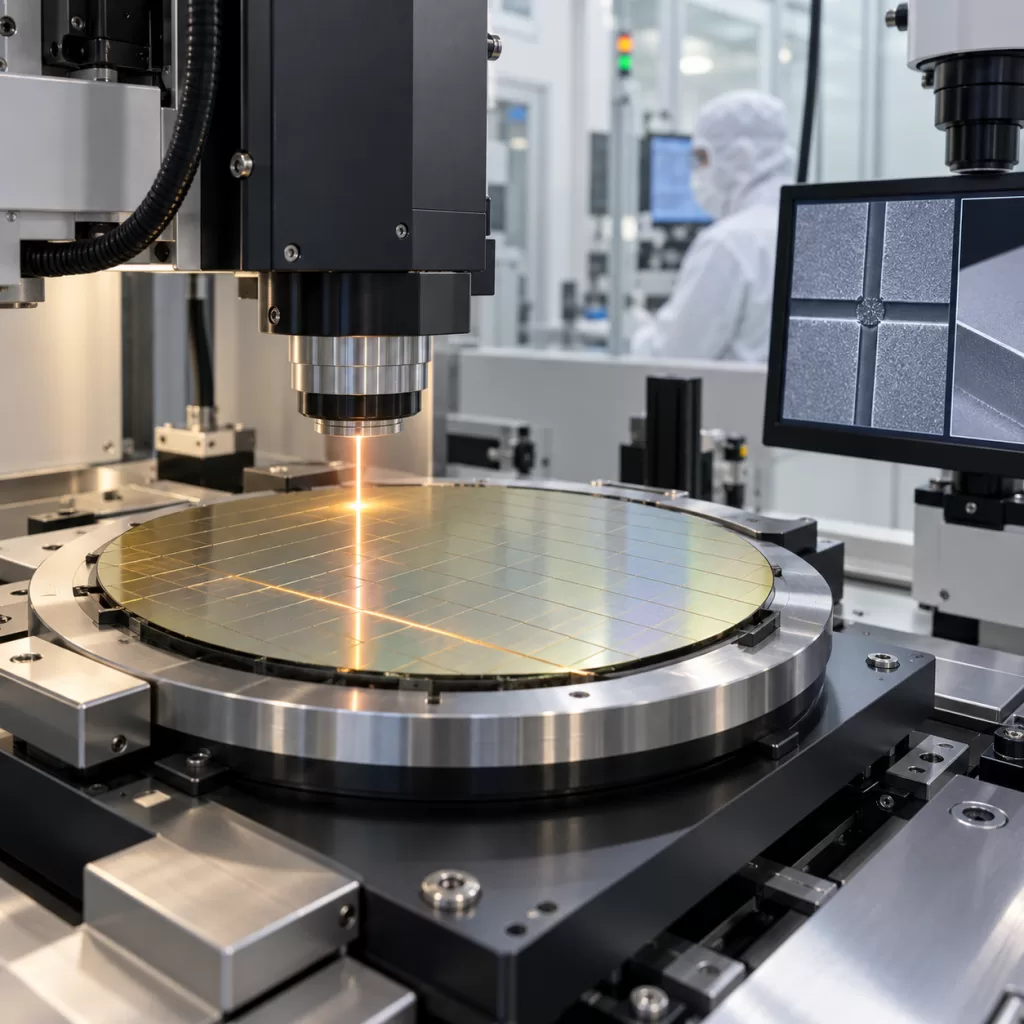
Silicon carbide wafers are increasingly used in high-power and high-temperature semiconductor devices, but they also present major challenges during singulation. Because SiC is extremely hard and brittle, conventional blade dicing can cause edge chipping, kerf loss, mechanical stress and tool wear. As device structures become smaller and wafer value increases, manufacturers are paying more attention […]
Thin SiC Wafer Handling from Backgrinding to Dicing: Ring Frame Mounting, Tape Stress, Warpage and Edge Chipping Control
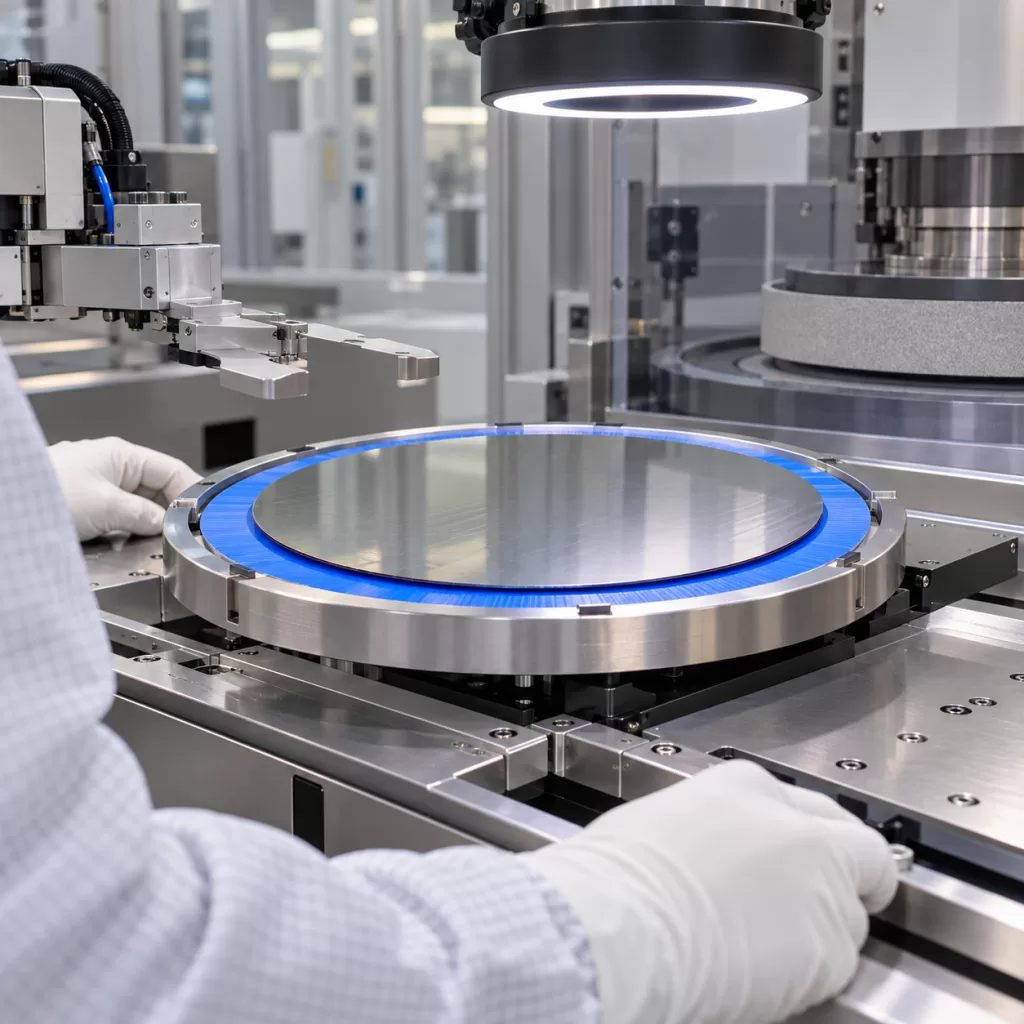
As silicon carbide wafers move toward thinner substrates for power semiconductor manufacturing, wafer handling becomes increasingly important. A standard SiC wafer may remain relatively rigid during conventional processing, but after backgrinding, the reduction in thickness significantly increases sensitivity to bending stress, local pressure, tape tension and mechanical impact. For thin SiC wafers, the transition from […]
Silicon Hardness Explained: Mohs, Vickers and Knoop Hardness Compared with SiC, Glass and Steel
Silicon is often described as a hard but brittle material. This description is correct, but it can also be misleading. How hard is silicon actually? Is silicon harder than steel? How does it compare with glass? And why is silicon carbide significantly more difficult to grind, polish and dice even though both silicon and SiC […]
As EV Growth Moderates, Silicon Carbide Finds a New Buyer: AI Data Centers Are Stepping In
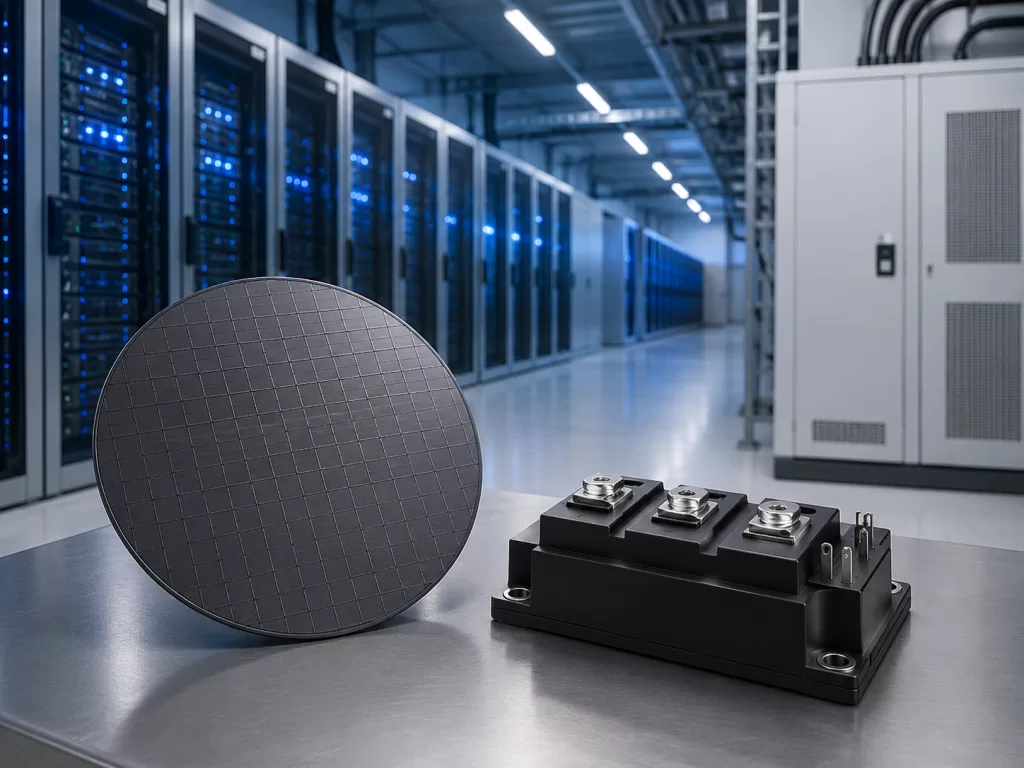
For years, the silicon carbide industry has been closely associated with electric vehicles. Ask where SiC power devices are used, and the first answers are usually familiar: traction inverters, onboard chargers, DC fast chargers and high-voltage EV platforms. That connection remains important. Global electric car sales exceeded 20 million units in 2025, representing about one-quarter […]
2026 Marks a Turning Point for Silicon Carbide: From “Who Can Make It?” to “Who Can Make It Cheaper?”
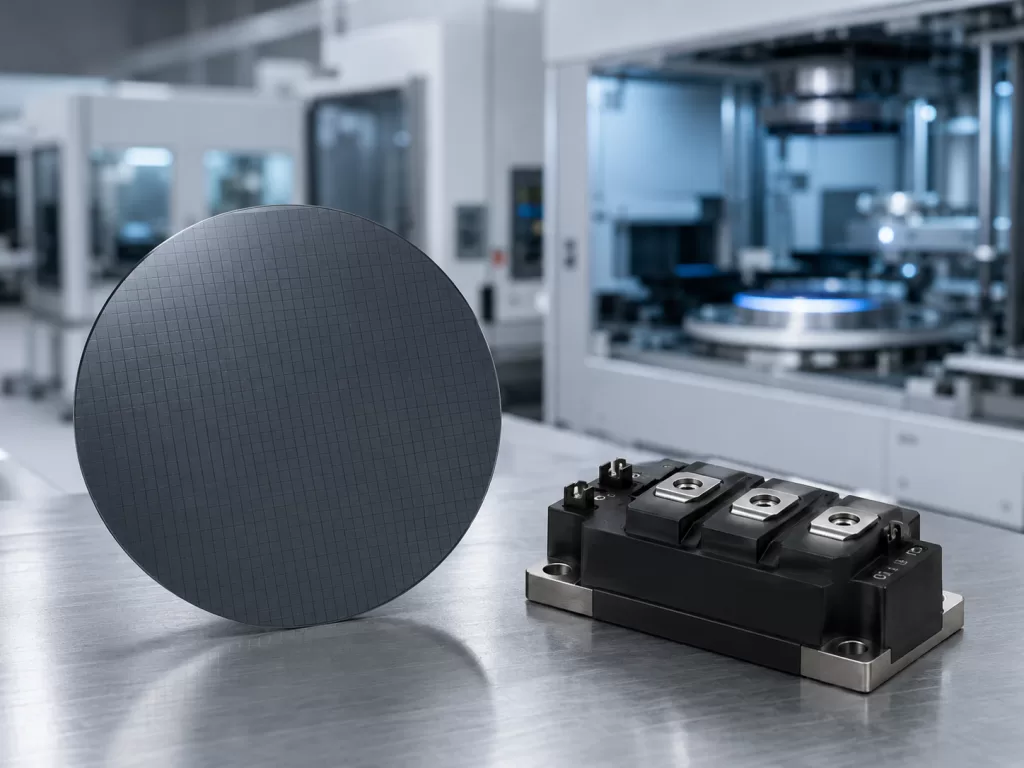
For years, the silicon carbide industry had one overriding question: Who can manufacture high-quality SiC at scale? Crystal growth was difficult. Wafer supply was limited. Defect control was challenging. Device capacity was insufficient, and demand from electric vehicles encouraged manufacturers throughout the supply chain to expand aggressively. In 2026, however, the competitive landscape is changing. […]
Silicon Carbide Beyond Electric Vehicles: AI, Energy Storage, and the Power Grid Are Opening Three New Markets
For much of the past decade, the silicon carbide industry has been discussed primarily through one application: electric vehicles. That association makes sense. SiC MOSFETs and diodes have become important components in high-voltage traction inverters, onboard chargers, and fast-charging systems because silicon carbide can reduce power losses while supporting higher operating voltages and switching frequencies. […]